

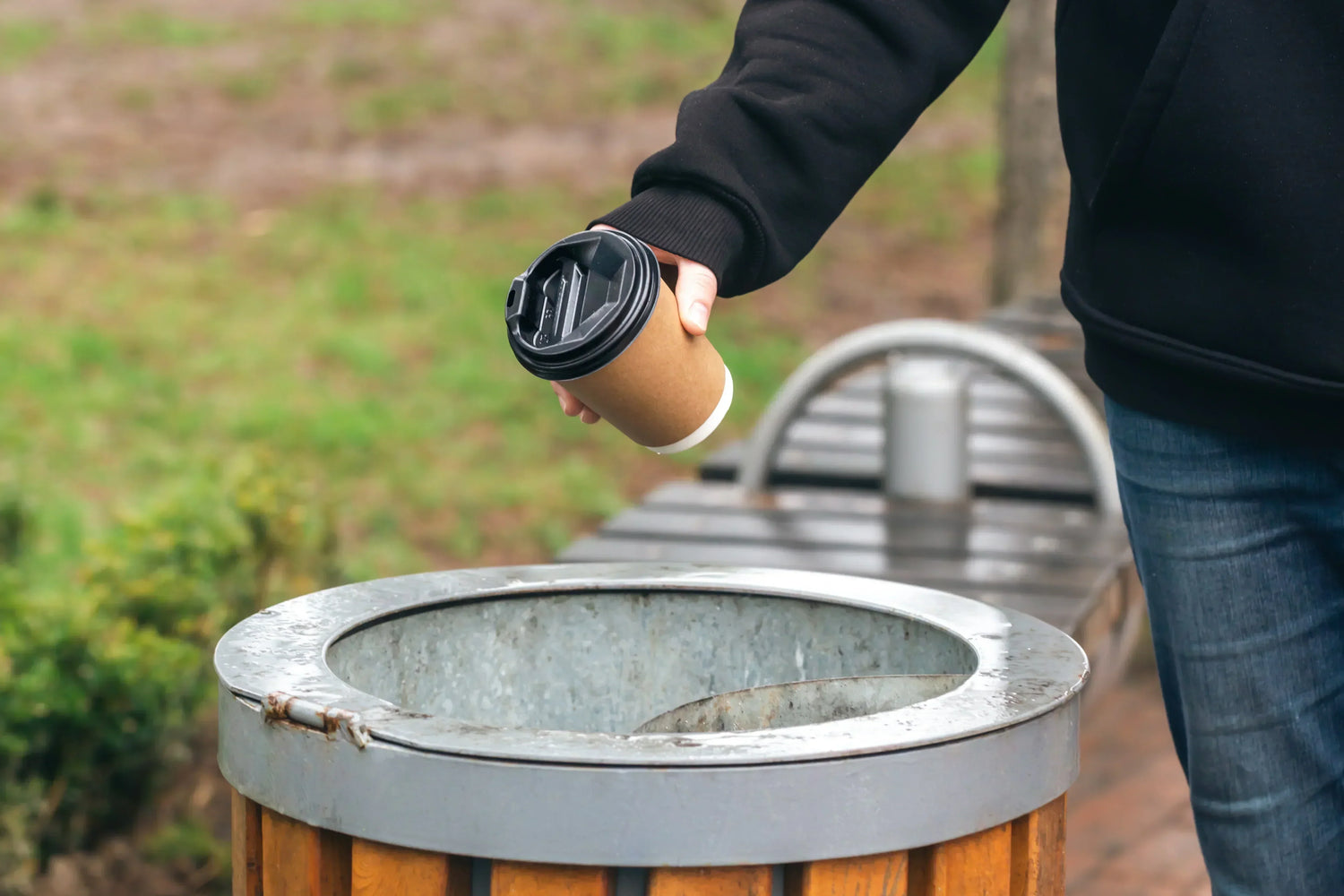
On May 26th, Germany celebrates Organic Waste Bin Day – an action day that highlights the importance of proper waste separation and the value of organic waste. What might initially sound like a topic for private households is also highly relevant for the gastronomy sector. Restaurants, cafes, and to-go providers in particular can benefit from sustainable approaches – both ecologically and economically.
Why the organic waste bin is so important
Organic waste is not waste in the traditional sense, but a valuable raw material.
- It makes up a large proportion of household waste – often over 30%
- It is used to produce biogas, energy, and high-quality compost
- Prerequisite: clean separation without contaminants like plastic
👉 Only correctly separated organic waste can be meaningfully recycled and actively contribute to climate and resource protection.
Organic waste: Relevance for the gastronomy sector
In the gastronomy sector too, large quantities of organic waste accumulate daily – from vegetable scraps to leftover food.
- High organic waste proportion: Kitchens naturally produce a lot of organic residues.
- Direct impact on sustainability: Clean separation improves the environmental footprint of the business.
-
Cost factor: Incorrectly separated waste can lead to higher disposal costs.
👉 The handling of organic waste is therefore not only an ecological but also an economic issue.
Tips for gastronomy businesses: To-go packaging and waste separation
Improve waste separation in your business
- Clear separation systems in the kitchen and service area
- Employee training on proper disposal
- Regular quality control of waste
👉 Cleanly separated organic waste is the basis for true sustainability.
Consciously select packaging
- Prefer paper-based or certified solutions
- No supposedly "compostable" plastics without clearly defined disposal routes
- Use as little packaging as possible
👉 Less is often more sustainable than supposedly "green" alternatives.
Actively involve guests
- Provide information on proper disposal (e.g., on packaging)
- Communicate in the restaurant or on social media
- Raise awareness for sustainable behavior
👉 For example, print useful disposal instructions on your coffee-to-go cups.
Promote reusable concepts
- Deposit systems for to-go packaging
- Discounts for bringing your own containers
- Cooperation with existing reusable providers
👉 Reusable solutions are the most effective way to reduce waste long-term.
Actively use the action day
May 26th can also be used for marketing purposes:
- Social media posts on the topic of sustainability
- Behind-the-scenes insights (waste separation in the business)
- Promotions or discounts for sustainable behavior
👉 Organic Waste Bin Day is a good communication opportunity for modern gastronomy.
Sustainability begins in the details
The Organic Waste Bin Day shows how important proper waste separation and conscious use of resources are. For the gastronomy sector, this means: sustainability does not end with regional ingredients or organic products, but continues throughout the entire operation – right down to disposal. The to-go sector, in particular, offers great potential. Those who consciously select packaging, cleanly separate waste, and actively involve guests can not only protect the environment but also strengthen their own image and reduce costs in the long term.
Cover image by pvproductions on Magnific.


Leave a comment
This site is protected by hCaptcha and the hCaptcha Privacy Policy and Terms of Service apply.