

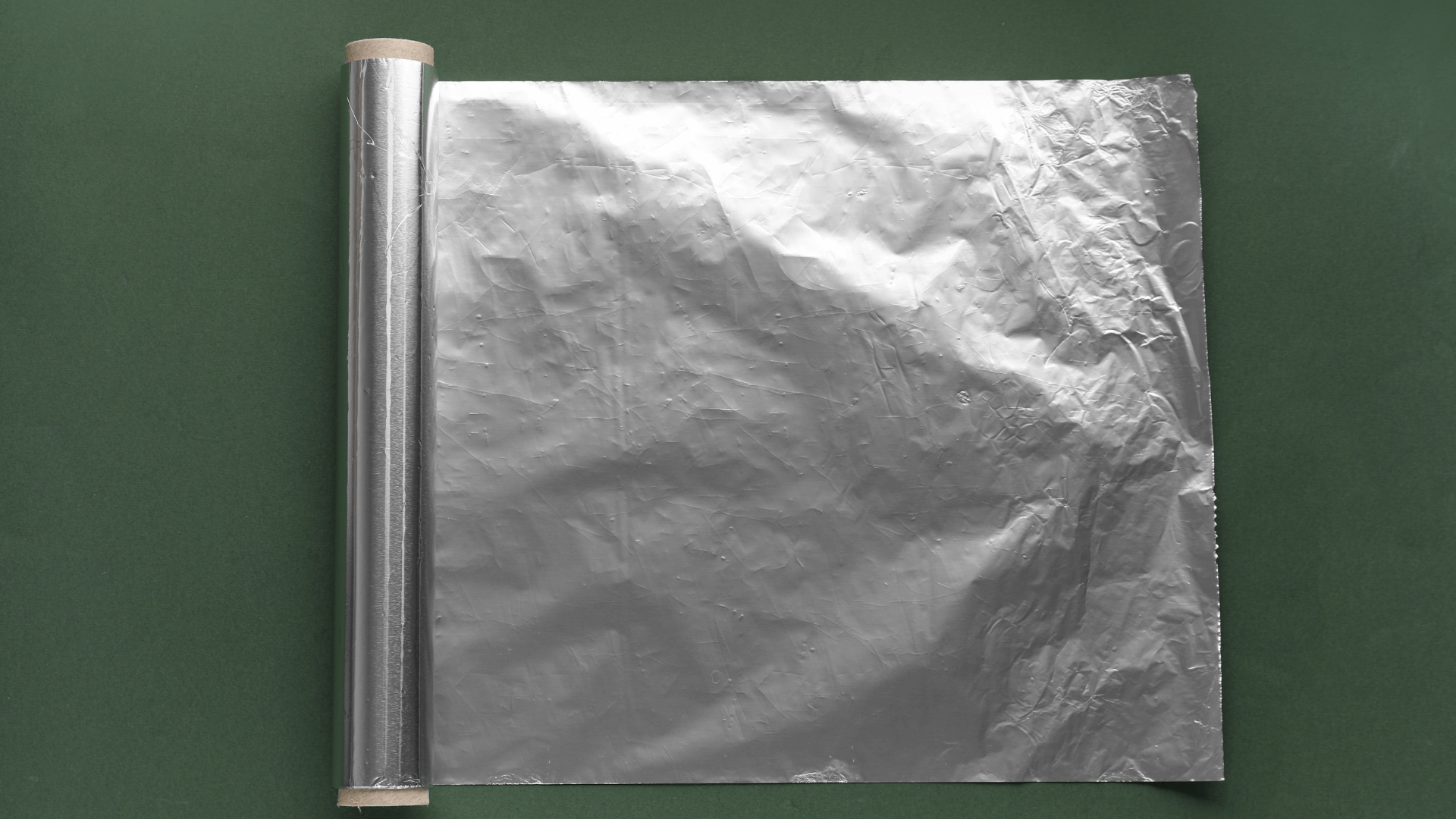
Aluminum foil
Filters
3 products
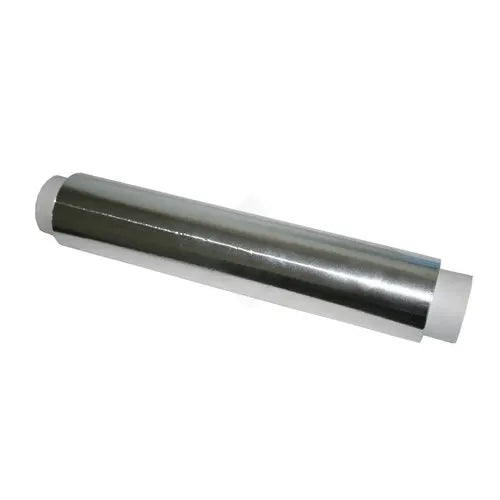
Tax excluded.
Width (cm):
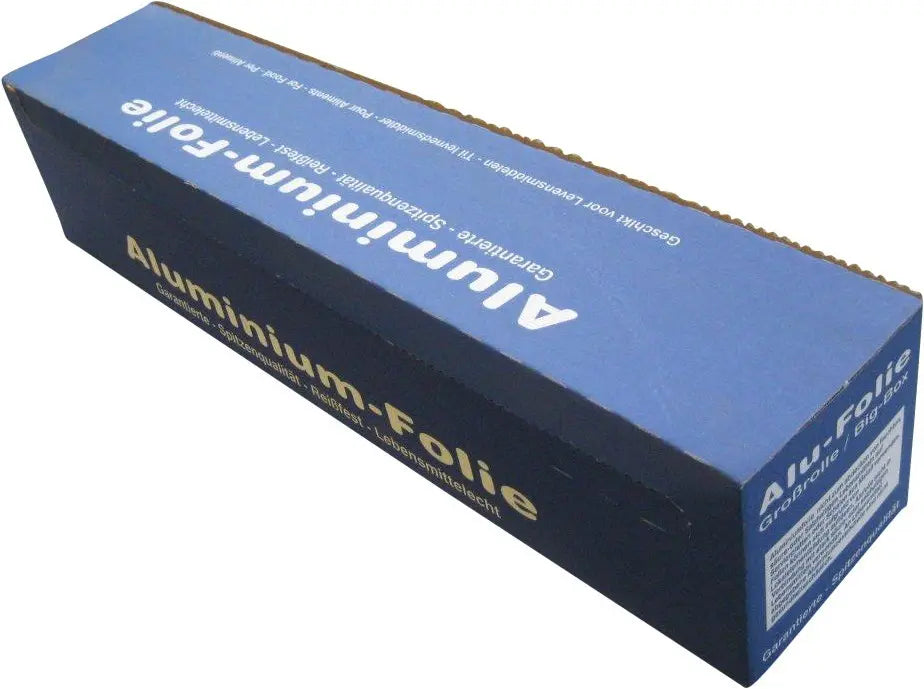
Tax excluded.
Width (cm):
Tax excluded.
Aluminum foil offers a wide range of uses: from preparing and transporting food to packaging food products, there are numerous applications. Here at Better-Pack, you will find both thin and thick aluminum foil to complete your catering supplies! To help you determine whether aluminum foil is a suitable packaging solution for you, this page highlights various advantages and disadvantages of aluminum foil, explores specific areas of use, and discusses relevant sustainability aspects.
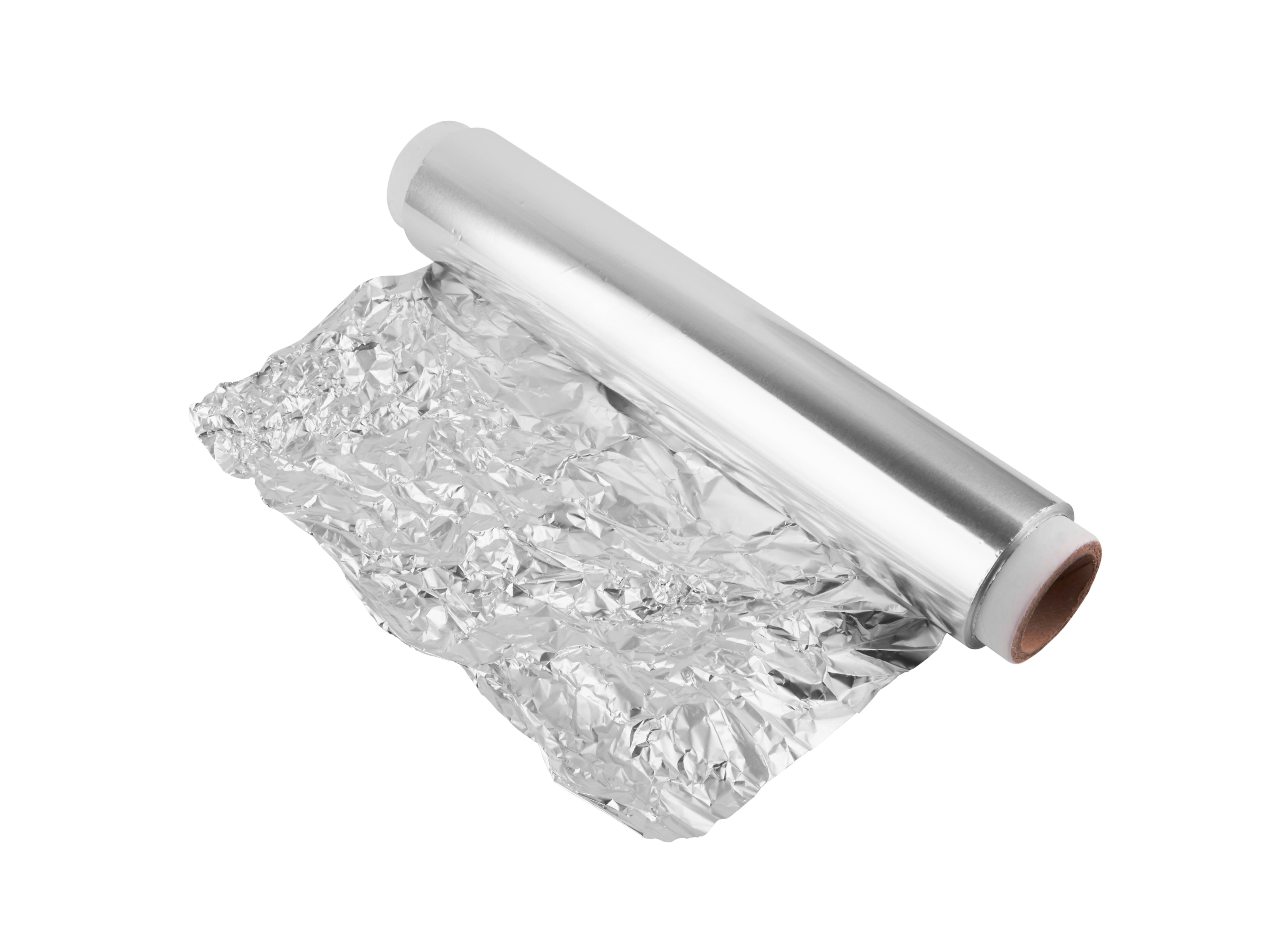
Thick aluminum foil & thin aluminum foil – Properties
Aluminum foil is a thin, flexible material made of aluminum. Due to its high conductivity and excellent heat reflection, aluminum foil is widely used in the kitchen. Its properties make it a useful helper – whether for covering food, baking, or storing food. Aluminum foil is offered in various thicknesses. The standard version is thin and flexible, while thick aluminum foil represents a more robust version, which is used primarily in professional kitchens and the catering industry. Aluminum foil is widely used here.

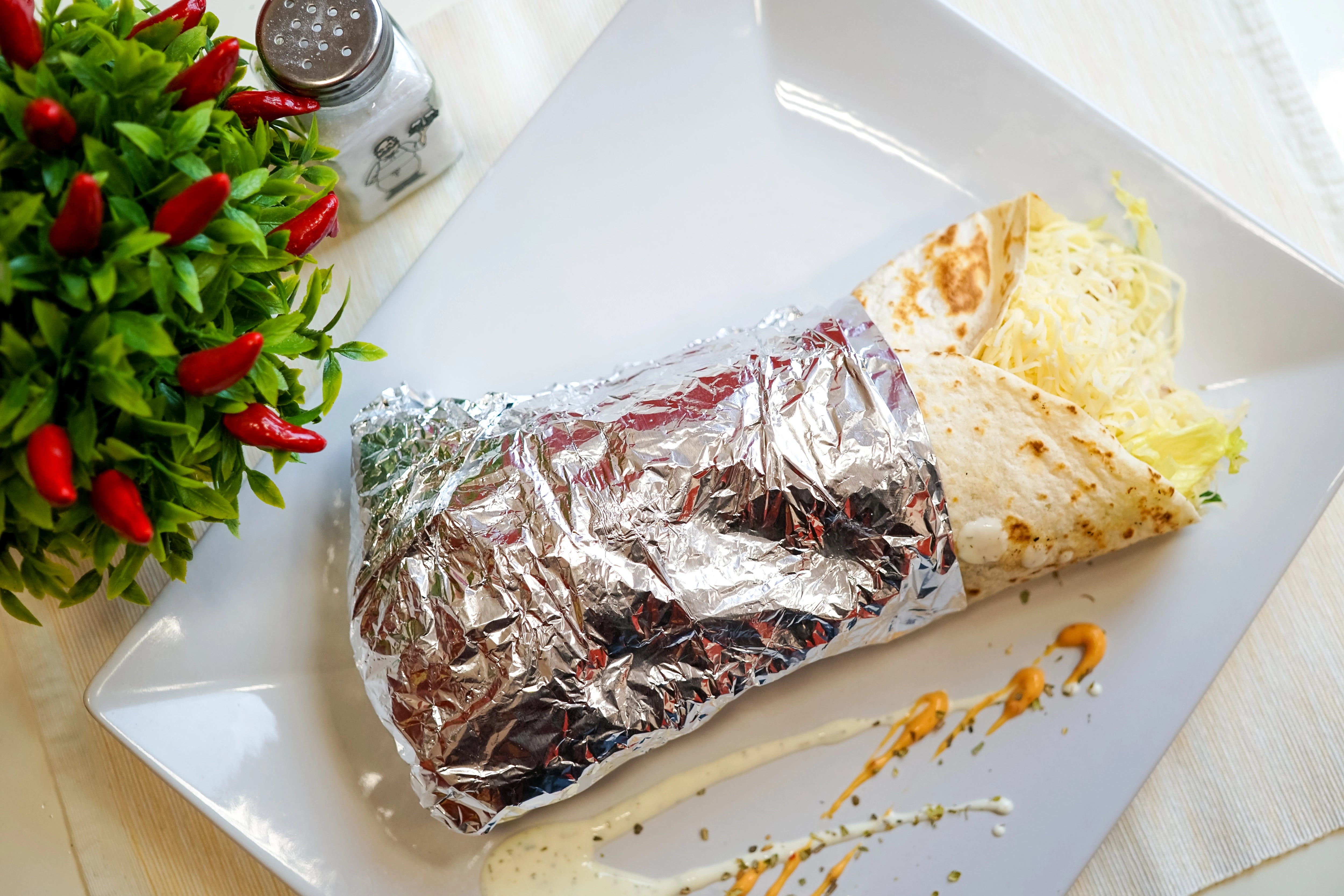
As a bulk-use roll, Gastro aluminium foil is specially tailored to the needs of catering businesses. Gastro aluminium foil provides the necessary protection for hot and delicate dishes, as it insulates heat excellently. In restaurants, catering services and snack bars, it is frequently used to keep food fresh and warm without losing its consistency or taste. That is why aluminium foil is also widely used in the take-away sector. In the to-go business, aluminium foil ensures that warm dishes do not cool down during transport and remain hygienically packaged. Aluminium foil is lightweight, flexible and easy to shape, so it can also be used for complex packaging solutions. For these, the thick aluminium foil also plays a role, as it offers additional stability.
Thick aluminum foil & thin aluminum foil – Properties
Aluminum foil is a thin, flexible material made of aluminum. Due to its high conductivity and excellent heat reflection, aluminum foil is widely used in the kitchen. Its properties make it a useful helper – whether for covering food, baking, or storing food. Aluminum foil is offered in various thicknesses. The standard version is thin and flexible, while thick aluminum foil represents a more robust version, which is used primarily in professional kitchens and the catering industry. Aluminum foil is widely used here.
As a bulk-use roll, Gastro aluminium foil is specially tailored to the needs of catering businesses. Gastro aluminium foil provides the necessary protection for hot and delicate dishes, as it insulates heat excellently. In restaurants, catering services and snack bars, it is frequently used to keep food fresh and warm without losing its consistency or taste. That is why aluminium foil is also widely used in the take-away sector. In the to-go business, aluminium foil ensures that warm dishes do not cool down during transport and remain hygienically packaged. Aluminium foil is lightweight, flexible and easy to shape, so it can also be used for complex packaging solutions. For these, the thick aluminium foil also plays a role, as it offers additional stability.
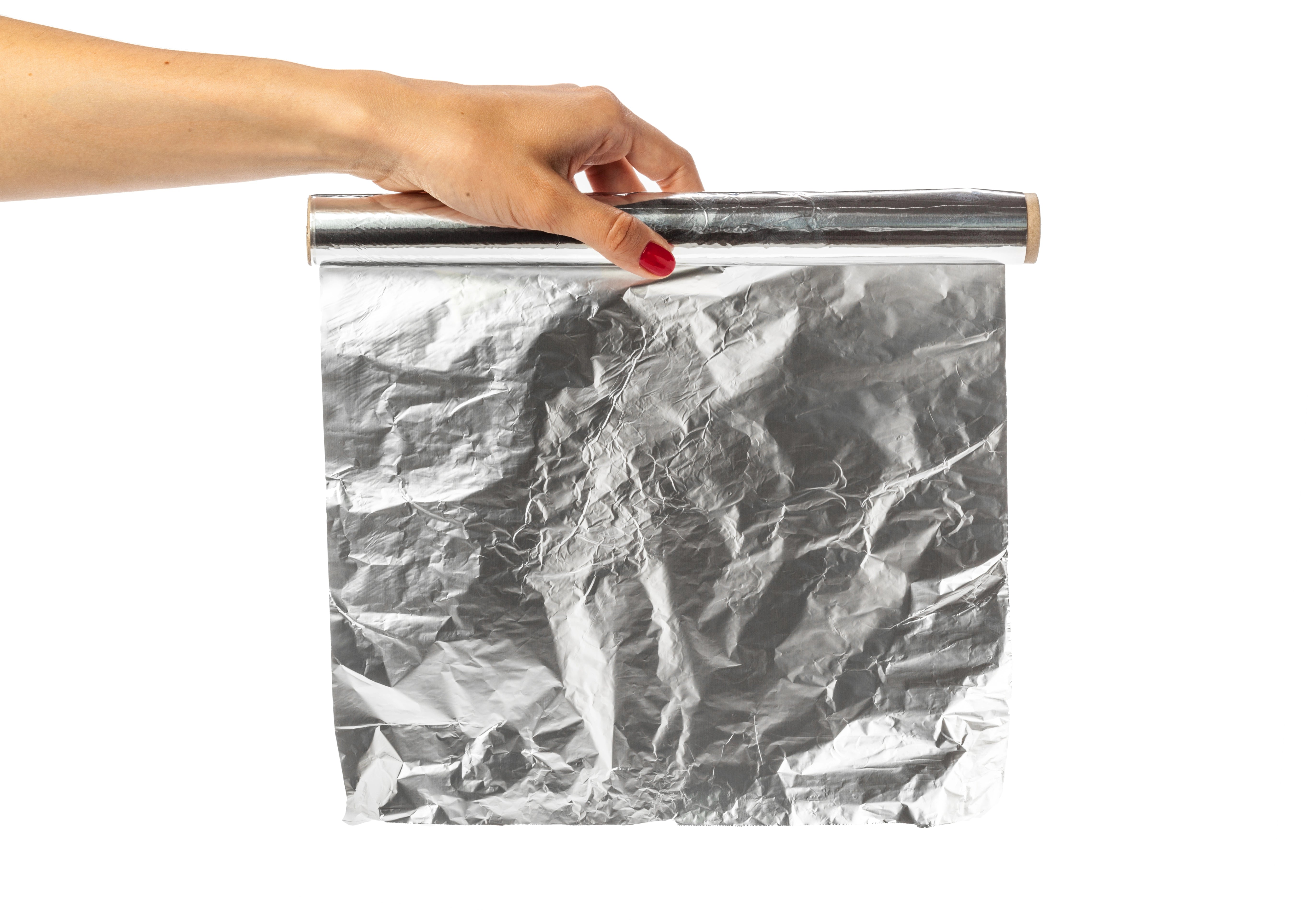
Gastronomy Aluminum Foil: Benefits for the Food Service Industry
1. Excellent Heat Conductivity and Insulation
A major advantage of catering aluminum foil is its excellent heat conductivity. Whether thin or thick, aluminum foil ensures that heat is distributed evenly during cooking and baking. This allows food to be cooked gently while protecting it from overheating.
2. Protection from Light, Air, and Moisture
Catering aluminum foil provides effective protection against external elements. Aluminum foil blocks light and air from penetrating, which slows down the oxidation process and thus preserves the freshness and flavor of food.
3. Versatile Applications
- Cooking & Baking: Both thin and thick aluminum foil can be used as a cover for casserole dishes or as a mold for preparing grilled food—perfect for food trucks & street food.
- Packaging & Transport: Catering aluminum foil is used to securely package prepared food, keep it warm, and transport to-go meals—ideal in combination with disposable containers.
- Cleaning & Polishing: Aluminum foil can also be used to clean pots or pans, as it can effectively remove dirt particles when used with the right cleaning supplies.
4. Easy Handling and Adaptability
Aluminum foil is highly flexible and easy to cut, shape, and adapt. This makes it an ideal kitchen helper, as it can be used quickly and easily for various purposes.
5. Durability and Resistance
Extra-thick aluminum foil is particularly distinguished by its durability. Thick aluminum foil is more resistant to mechanical stress and tears less easily, which is why thick aluminum foil is a popular choice for catering aluminum foil. The thick aluminum foil variant offers additional protection when transporting and storing delicate or heavy food.

Aluminum Foil – Disadvantages & Sustainability Aspects
Despite its numerous advantages, aluminum foil also has some disadvantages that should be taken into account when selecting and using it:
1. Environmental and sustainability aspects
The production of aluminum foil is energy-intensive. Although aluminum is fundamentally recyclable, the high energy consumption during production results in a significant environmental footprint. Therefore, aluminum foil for commercial kitchens should only be used when it is truly worthwhile—for example, when excellent heat insulation is required or when aluminum foil is essential for grilled food. Depending on the application, commercial aluminum foil can be replaced by, for example, environmentally friendly sealing films.
2. Reactivity with certain foods
Both thin and thick aluminum foil can react with highly acidic or salty foods. This reaction can lead to changes in taste and affect the quality of the food. Therefore, aluminum foil should not be used for such foods.
3. Limited flexibility in terms of branding
While commercial aluminum foil is highly functional in many areas, it offers fewer opportunities for custom branding or design compared to other packaging materials. This can be a disadvantage for food service businesses that place particular importance on their image and brand.
Gastronomy Aluminum Foil: Benefits for the Food Service Industry
1. Excellent Heat Conductivity and Insulation
A major advantage of catering aluminum foil is its excellent heat conductivity. Whether thin or thick, aluminum foil ensures that heat is distributed evenly during cooking and baking. This allows food to be cooked gently while protecting it from overheating.
2. Protection from Light, Air, and Moisture
Catering aluminum foil provides effective protection against external elements. Aluminum foil blocks light and air from penetrating, which slows down the oxidation process and thus preserves the freshness and flavor of food.
3. Versatile Applications
- Cooking & Baking: Both thin and thick aluminum foil can be used as a cover for casserole dishes or as a mold for preparing grilled food—perfect for food trucks & street food.
- Packaging & Transport: Catering aluminum foil is used to securely package prepared food, keep it warm, and transport to-go meals—ideal in combination with disposable containers.
- Cleaning & Polishing: Aluminum foil can also be used to clean pots or pans, as it can effectively remove dirt particles when used with the right cleaning supplies.
4. Easy Handling and Adaptability
Aluminum foil is highly flexible and easy to cut, shape, and adapt. This makes it an ideal kitchen helper, as it can be used quickly and easily for various purposes.
5. Durability and Resistance
Extra-thick aluminum foil is particularly distinguished by its durability. Thick aluminum foil is more resistant to mechanical stress and tears less easily, which is why thick aluminum foil is a popular choice for catering aluminum foil. The thick aluminum foil variant offers additional protection when transporting and storing delicate or heavy food.
Aluminum Foil – Disadvantages & Sustainability Aspects
Despite its numerous advantages, aluminum foil also has some disadvantages that should be taken into account when selecting and using it:
1. Environmental and sustainability aspects
The production of aluminum foil is energy-intensive. Although aluminum is fundamentally recyclable, the high energy consumption during production results in a significant environmental footprint. Therefore, aluminum foil for commercial kitchens should only be used when it is truly worthwhile—for example, when excellent heat insulation is required or when aluminum foil is essential for grilled food. Depending on the application, commercial aluminum foil can be replaced by, for example, environmentally friendly sealing films.
2. Reactivity with certain foods
Both thin and thick aluminum foil can react with highly acidic or salty foods. This reaction can lead to changes in taste and affect the quality of the food. Therefore, aluminum foil should not be used for such foods.
3. Limited flexibility in terms of branding
While commercial aluminum foil is highly functional in many areas, it offers fewer opportunities for custom branding or design compared to other packaging materials. This can be a disadvantage for food service businesses that place particular importance on their image and brand.
Aluminum foil from Better-Pack
In light of current discussions on environmental protection and resource conservation, the sustainability aspect plays an increasingly important role in the use of aluminum foil. Some important points are as follows:
- Recycling and reuse: Aluminum foil is one of the few materials that can be recycled almost indefinitely. To reduce the ecological footprint, catering businesses and consumers should ensure consistent separation and proper disposal. For example, briefly rinsing an aluminum tray with clear water ensures that trays with aluminum foil can be placed in the yellow recycling bag instead of the general waste.
- Innovative manufacturing processes: Modern production processes aim to reduce energy consumption during the manufacture of aluminum foil. Technological advances can help make even the still quite energy-intensive processes more sustainable.
- Alternative materials: In some application areas, alternative materials are already being developed that have similar properties to aluminum foil but are more environmentally friendly. Such innovations could partially replace or complement conventional aluminum foil in the future. We will keep you updated!
All in all, catering businesses benefit from the practical properties of aluminum foil, whether in the to-go sector, when preparing food in commercial kitchens, or when packaging and presenting dishes. Nevertheless, the sustainability aspect of aluminum foil must be kept in mind. A consistent recycling strategy can reduce the ecological footprint of aluminum foil. Overall, aluminum foil therefore offers a balanced combination of functionality and practical advantages when handled responsibly.
Aluminum Foil FAQ
In our aluminum foil FAQ, we provide answers to frequently asked questions about aluminum foil. Whether aluminum foil is a suitable substitute for parchment paper and what happens if you eat aluminum foil—you'll find out here.
Can you use aluminum foil instead of parchment paper?
Can you use aluminum foil instead of parchment paper?
Yes, aluminum foil can sometimes be used as a substitute for parchment paper, especially for wrapping food or as a heat shield. However, it is not non-stick, so food can stick to it. Particularly acidic and salty foods should not come into direct contact with aluminum foil, as they can cause aluminum to leach out.
How long should a trout wrapped in aluminum foil be baked in the oven?
How long should a trout wrapped in aluminum foil be baked in the oven?
A trout wrapped in aluminum foil takes about 25–30 minutes in a preheated oven at 180°C. The aluminum foil helps retain moisture, making the fish particularly juicy.
How long should salmon wrapped in aluminum foil be baked?
How long should salmon wrapped in aluminum foil be baked?
Salmon fillets wrapped in aluminum foil should be baked at 180°C for about 15–20 minutes. For a whole salmon, the cooking time increases to approximately 35–40 minutes, depending on its size.
How thick is aluminum foil?
How thick is aluminum foil?
The thickness of aluminum foil varies depending on its intended use. Household foil is generally 10–20 micrometers (µm) thick, while heavy-duty commercial foil can be up to 30 µm thick.
Which side of aluminum foil keeps food warm?
Which side of aluminum foil keeps food warm?
The shiny side reflects heat better, while the matte side absorbs heat. If you want to keep food warm, the shiny side should face inward to retain the heat.
Which side of the aluminum foil is toxic?
Which side of the aluminum foil is toxic?
There is no difference in toxicity between the shiny and matte sides. The different surface is created during the manufacturing process, but has no impact on food safety. However, aluminum can leach into food, especially with acidic or salty foods.
What happens if you eat aluminum foil?
What happens if you eat aluminum foil?
Small amounts of aluminum foil are generally harmless to the body, as they are passed undigested. However, larger amounts or regular contact with aluminum can pose health risks. In the long term, high aluminum intake could put a severe strain on the nervous system and organs.