

Sealing film
Filters
1 product
Tax excluded.
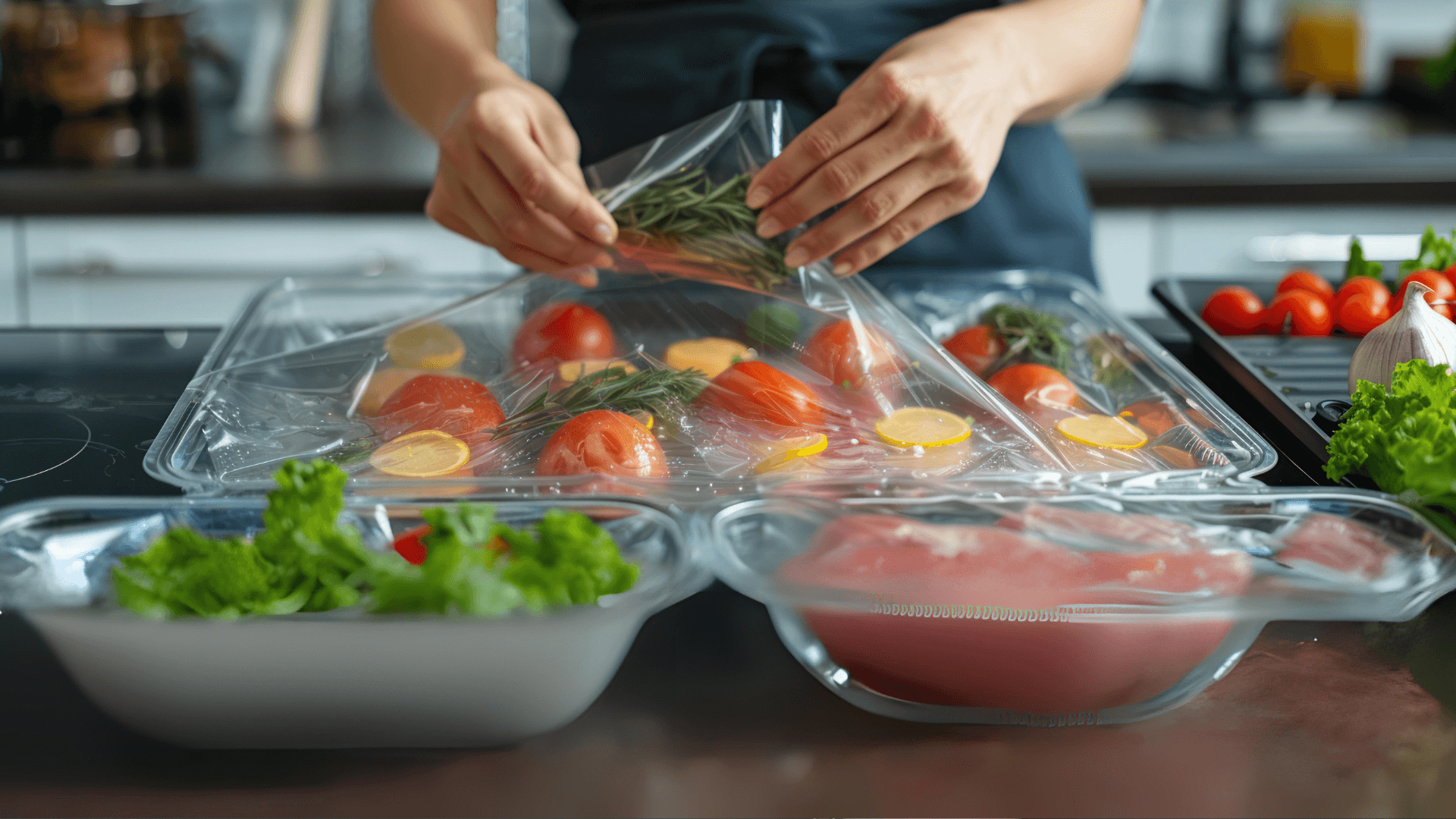
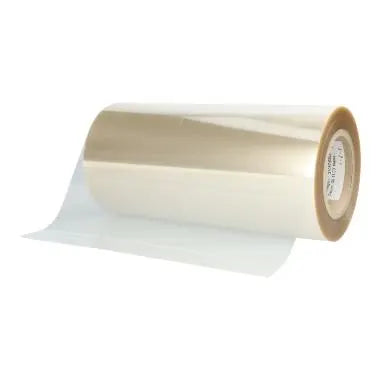
Sealing film is an essential component of modern packaging solutions – especially in the food sector. Whether as additional security during delivery, protection against tampering, or an attractive design element: the possible uses for sealing film are diverse. The various sealing film options are equally versatile. On this page, we place a special focus on the innovative properties of biodegradable cellulose film – probably the most sustainable type of sealing film you can discover at Better-Pack today!
Food sealing film – properties & applications
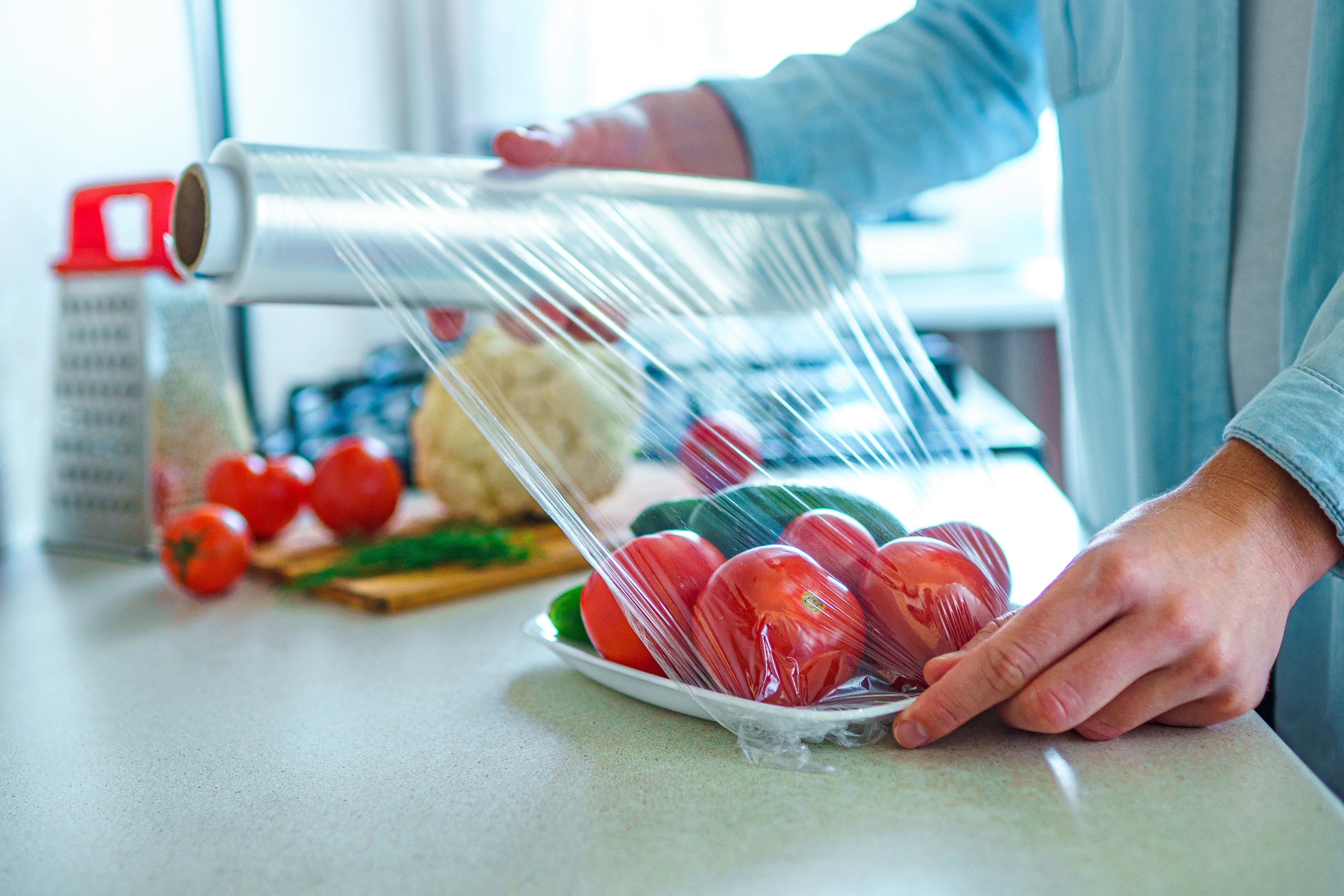
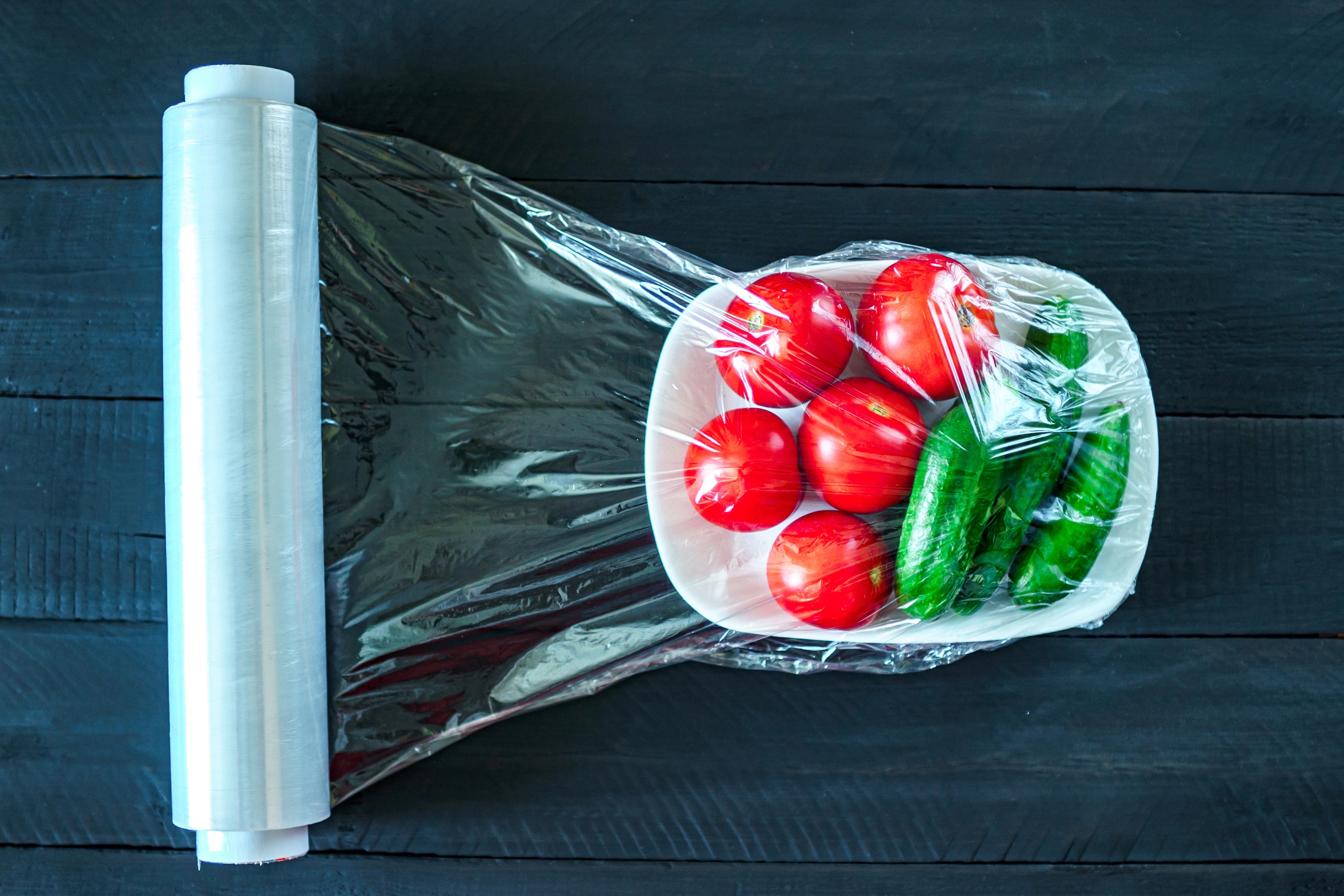
The basic function of a food sealing film is to ensure a secure and airtight seal. Food sealing film protects products from external influences and extends their shelf life. Various materials and technologies are used for this purpose. Conventional sealing films are often based on plastics that offer high tear resistance and resistance to moisture and dirt. However, modern developments in the field of bio-based sealing film go one step further by using environmentally friendly and biodegradable materials. Food sealing films are highly versatile and are therefore used in numerous areas of the catering industry:
1. Sealing of Take-Away Packaging
Hygiene plays a central role in the take-away sector. With the help of food sealing film, restaurants and snack bars can securely package their dishes. When used in combination with sealing containers, food sealing film not only provides reliable protection but also creates an appealing appearance that builds customer confidence.
2. Catering and Buffet Covering
In commercial kitchens and at catering events, it is important that food stays fresh while also being protected from dust and insects. Heat-resistant food sealing film can be used especially for hot dishes to maintain the temperature while preserving the flavor.
3. Protection During Transport and Storage
The safety and shelf life of food during transport are of central importance to food service businesses. Food sealing film offers high protection against external influences and greatly minimizes the risk of contamination. This is particularly important for delivery services that work with fresh food every day.
Food sealing film – properties & applications
The basic function of a food sealing film is to ensure a secure and airtight seal. Food sealing film protects products from external influences and extends their shelf life. Various materials and technologies are used for this purpose. Conventional sealing films are often based on plastics that offer high tear resistance and resistance to moisture and dirt. However, modern developments in the field of bio-based sealing film go one step further by using environmentally friendly and biodegradable materials. Food sealing films are highly versatile and are therefore used in numerous areas of the catering industry:
1. Sealing of Take-Away Packaging
Hygiene plays a central role in the take-away sector. With the help of food sealing film, restaurants and snack bars can securely package their dishes. When used in combination with sealing containers, food sealing film not only provides reliable protection but also creates an appealing appearance that builds customer confidence.
2. Catering and Buffet Covering
In commercial kitchens and at catering events, it is important that food stays fresh while also being protected from dust and insects. Heat-resistant food sealing film can be used especially for hot dishes to maintain the temperature while preserving the flavor.
3. Protection During Transport and Storage
The safety and shelf life of food during transport are of central importance to food service businesses. Food sealing film offers high protection against external influences and greatly minimizes the risk of contamination. This is particularly important for delivery services that work with fresh food every day.
Eco-friendly cellulose film
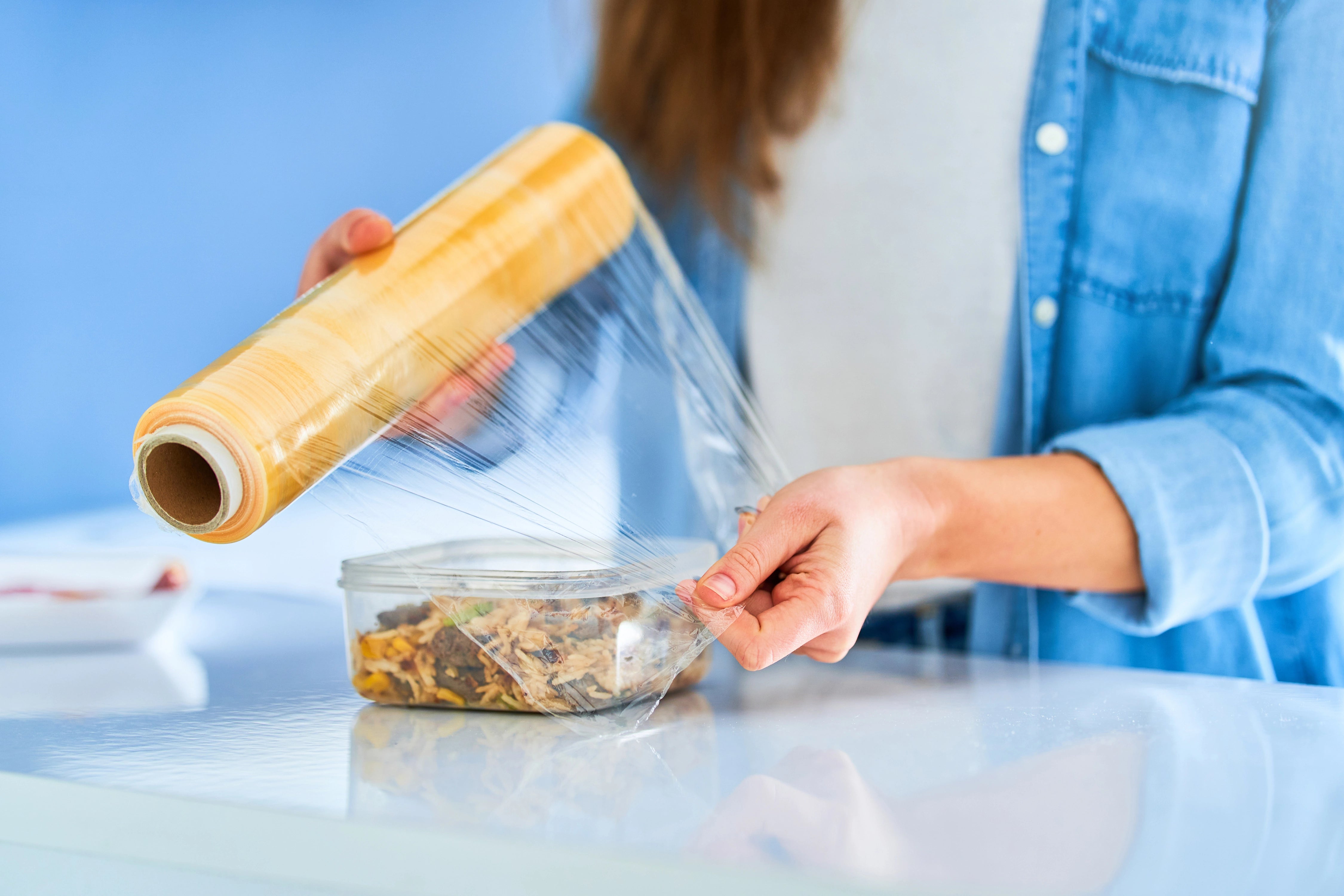
A particularly environmentally friendly food-grade sealing film is modern cellulose film. This innovative variant is made from cellulose-based raw materials and offers glass-like transparency as well as excellent mechanical properties. The Bio-Cellulose Film from Better-Pack offers numerous advantages:
1. Environmentally Friendly
A decisive advantage of cellulose film is its biodegradability. Unlike conventional plastic films, which remain in the environment for extremely long periods, cellulose film decomposes naturally. Companies in the catering industry that focus on sustainable packaging solutions can improve their ecological profile with cellulose film and appeal to environmentally conscious customers.
2. Food Safety and Protection
As a food-grade sealing film, cellulose film ensures that food is optimally protected from external influences. The bio-cellulose sealing film offers a very high level of protection against air, moisture, and microorganisms. This helps preserve the taste, aroma, and freshness of the packaged food for longer. This makes Better-Pack's cellulose film an excellent choice, especially for pre-prepared dishes in the catering industry. Offer your customers sustainable disposable cutlery for takeaway dishes, and nothing will stand in the way of your environmentally friendly image!
3. Flexibility and Easy Handling
Cellulose film is stretchable and can be easily cut, applied, and removed – without leaving any residue. These properties make it ideal for dynamic work environments where time and efficiency play a major role – such as in commercial kitchens or for catering and party services.
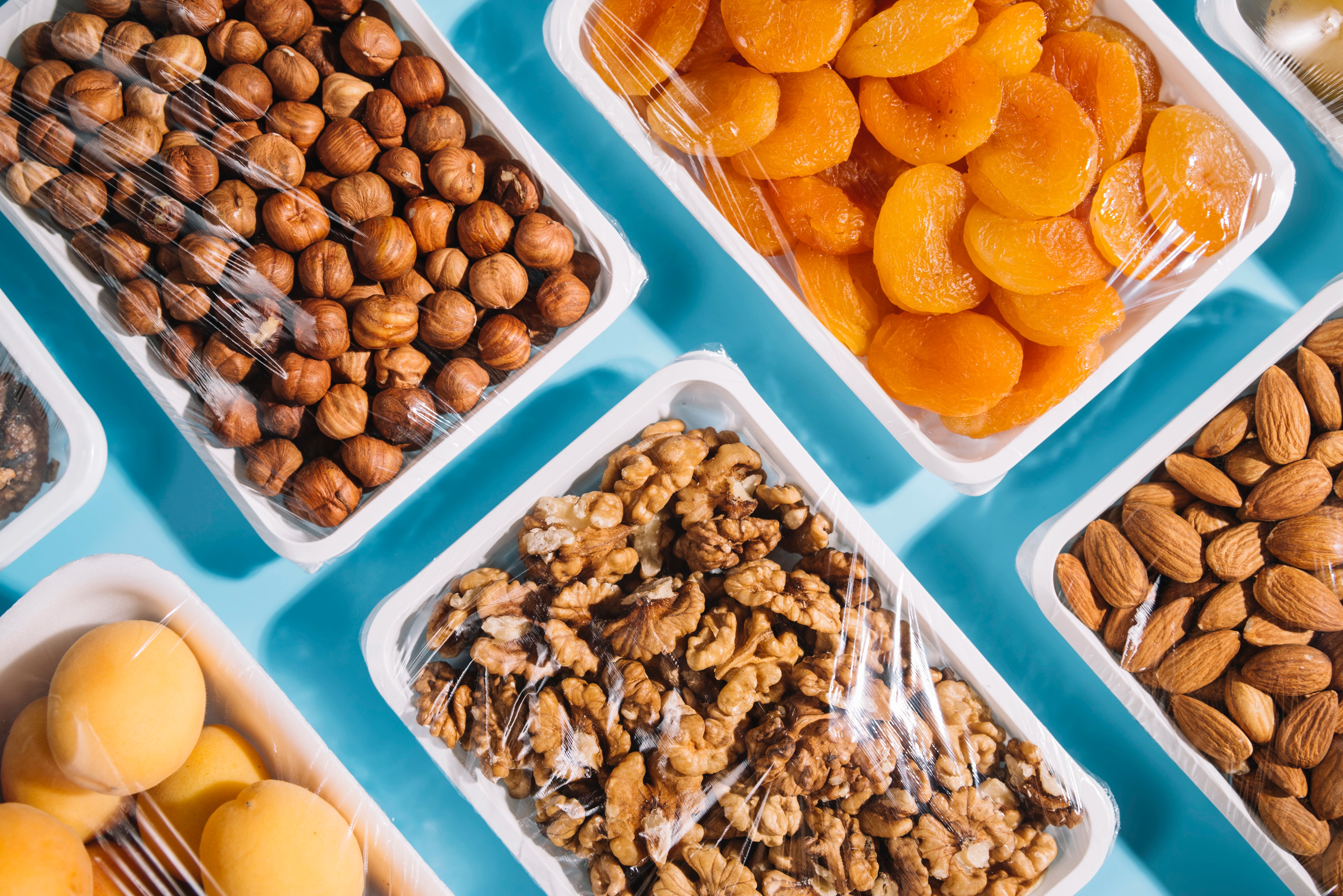
Increasing consumer awareness of environmental issues is driving the continued development of packaging solutions. Bio-based cellulose lamination film offers an innovative and sustainable alternative to conventional plastic films. The key sustainability benefits of this lamination film include:
- Biodegradability: Cellulose film breaks down under natural conditions many times faster than conventional materials, helping to significantly reduce packaging waste.
- Resource efficiency: Cellulose-based manufacturing generally requires less energy than plastic production.
- Circular economy: Better-Pack's bio-based lamination film can be recycled and composted, enabling closed-loop processing and use while minimizing environmental impact.
Better-Pack's bio-based lamination film lets you package food safely and attractively while demonstrating environmental responsibility. This not only improves operational efficiency but also makes a valuable contribution to protecting the environment. Order your food lamination film from Better-Pack today and benefit from the many advantages of this sustainable packaging solution!
Eco-friendly cellulose film
A particularly environmentally friendly food-grade sealing film is modern cellulose film. This innovative variant is made from cellulose-based raw materials and offers glass-like transparency as well as excellent mechanical properties. The Bio-Cellulose Film from Better-Pack offers numerous advantages:
1. Environmentally Friendly
A decisive advantage of cellulose film is its biodegradability. Unlike conventional plastic films, which remain in the environment for extremely long periods, cellulose film decomposes naturally. Companies in the catering industry that focus on sustainable packaging solutions can improve their ecological profile with cellulose film and appeal to environmentally conscious customers.
2. Food Safety and Protection
As a food-grade sealing film, cellulose film ensures that food is optimally protected from external influences. The bio-cellulose sealing film offers a very high level of protection against air, moisture, and microorganisms. This helps preserve the taste, aroma, and freshness of the packaged food for longer. This makes Better-Pack's cellulose film an excellent choice, especially for pre-prepared dishes in the catering industry. Offer your customers sustainable disposable cutlery for takeaway dishes, and nothing will stand in the way of your environmentally friendly image!
3. Flexibility and Easy Handling
Cellulose film is stretchable and can be easily cut, applied, and removed – without leaving any residue. These properties make it ideal for dynamic work environments where time and efficiency play a major role – such as in commercial kitchens or for catering and party services.
Increasing consumer awareness of environmental issues is driving the continued development of packaging solutions. Bio-based cellulose lamination film offers an innovative and sustainable alternative to conventional plastic films. The key sustainability benefits of this lamination film include:
- Biodegradability: Cellulose film breaks down under natural conditions many times faster than conventional materials, helping to significantly reduce packaging waste.
- Resource efficiency: Cellulose-based manufacturing generally requires less energy than plastic production.
- Circular economy: Better-Pack's bio-based lamination film can be recycled and composted, enabling closed-loop processing and use while minimizing environmental impact.
Better-Pack's bio-based lamination film lets you package food safely and attractively while demonstrating environmental responsibility. This not only improves operational efficiency but also makes a valuable contribution to protecting the environment. Order your food lamination film from Better-Pack today and benefit from the many advantages of this sustainable packaging solution!
Sealing Film FAQ
In our sealing film FAQ, we provide answers to frequently asked questions about sealing film. From its use in the catering industry to its suitability for direct contact with food, you will find short and concise answers to the most important questions on the subject.
What is a sealing film?
What is a sealing film?
Sealing film is a special film used to seal containers with heat or pressure, keeping food fresh and ensuring safe transport. It provides hygienic packaging and prevents food or liquids from leaking out.
What is sealing film used for?
What is sealing film used for?
Sealing films are used in the food service industry, especially in the takeaway and catering sectors. They hermetically seal food containers, soup cups, or delicatessen packaging, protecting the contents from external influences such as moisture, dirt, or temperature fluctuations.
Is the sealing film food-safe?
Is the sealing film food-safe?
Yes, sealing film is food-safe, provided it is made from approved materials. High-quality films are free from harmful substances and specifically designed to come into direct contact with food.
Which films are suitable for food?
Which films are suitable for food?
Only food-safe wraps should be used for direct contact with food. These include, for example, polyethylene (PE) cling films, aluminum foils, or specially coated paper wraps. It is essential that the wrap does not release harmful substances and is suitable for its intended use—whether for wrapping, covering, or sealing.