

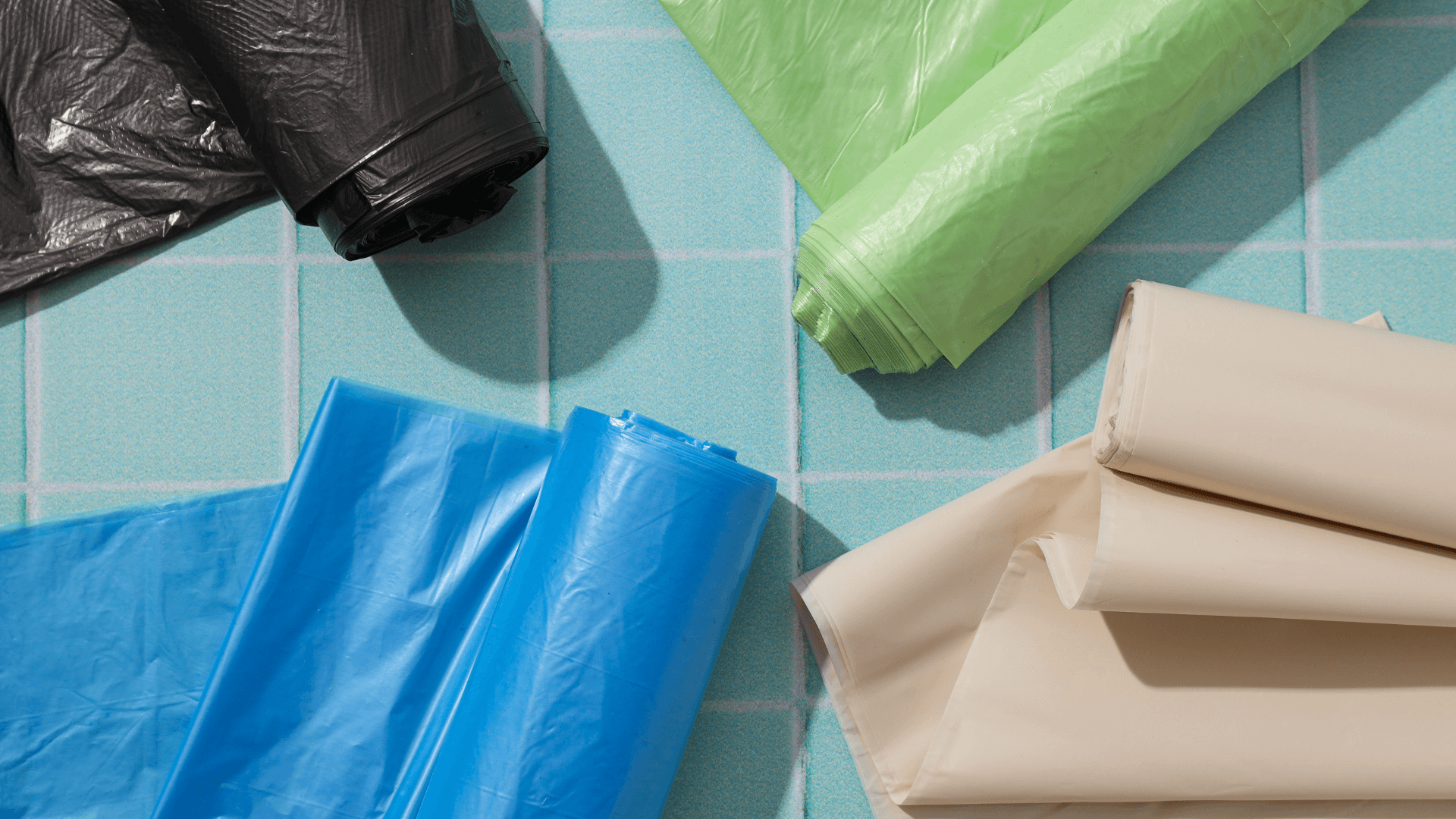
Trash bags
Filters
2 products
Tax excluded.
Tax excluded.
capacity (l):
Whether in the catering industry, retail, or office, bin liners and waste bags are part of the basic equipment of any business. They ensure cleanliness, hygienic waste disposal, and make daily work in the kitchen, warehouse, and sanitary areas easier. But not all bin liners are the same: depending on the area of use, type of waste, and volume requirements, different bin liner sizes are needed, from the small 25-liter waste bag to the large 240-liter waste bag – or even more.
In this post, you will learn what bin liners are available, which size you need for what, what the difference is between classic and bio paper bin liners, and how you can reduce both costs and waste with the right selection.
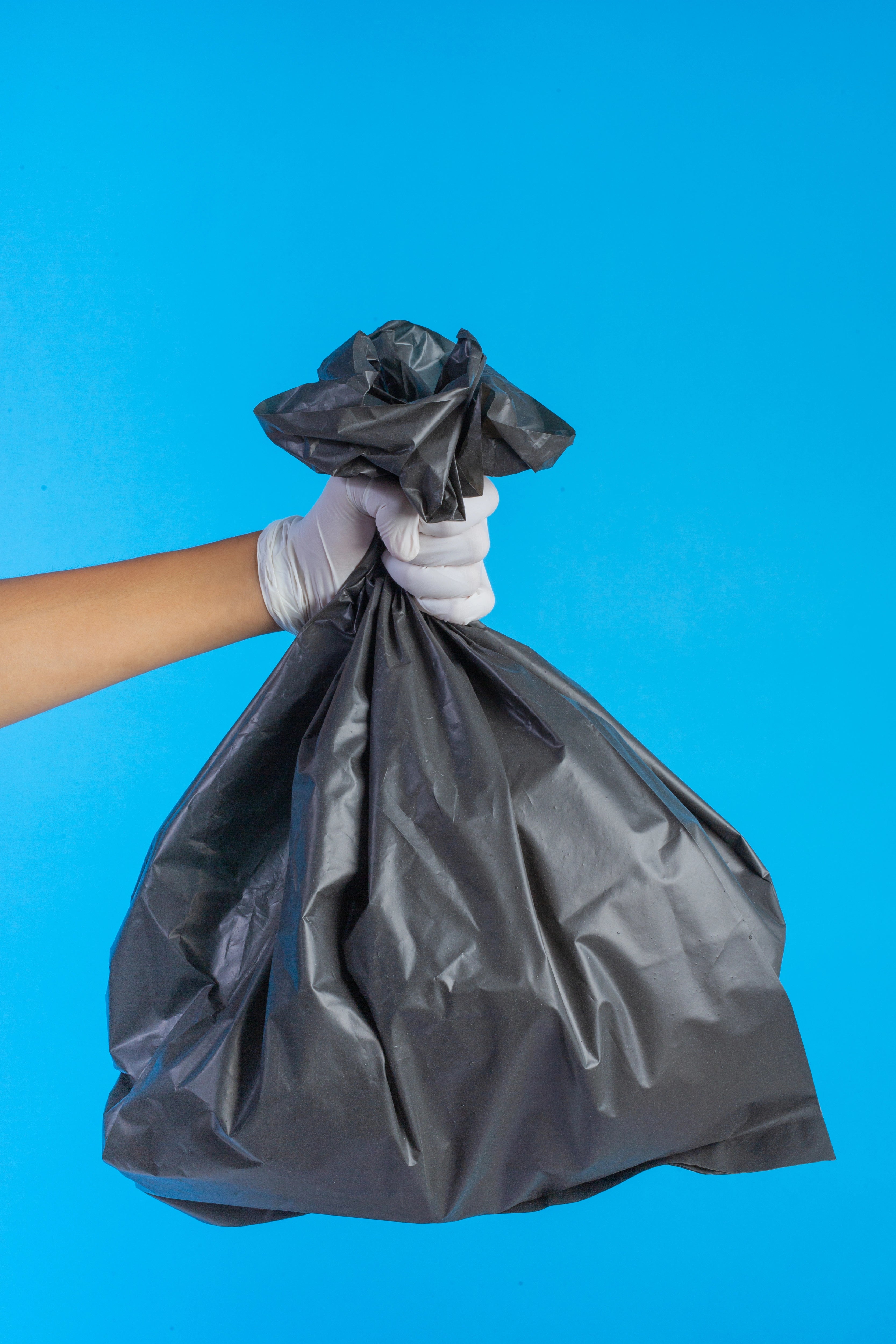
Trash bag sizes
A key consideration when choosing the right bag is its volume. Depending on the waste bin, the amount of waste, and the area of use, you will need an appropriate size. The most common bin bag sizes are:
25-litre bin bags
These small bin bags are ideal for:
- Bathrooms
- Household kitchen waste
- Table waste in the catering industry
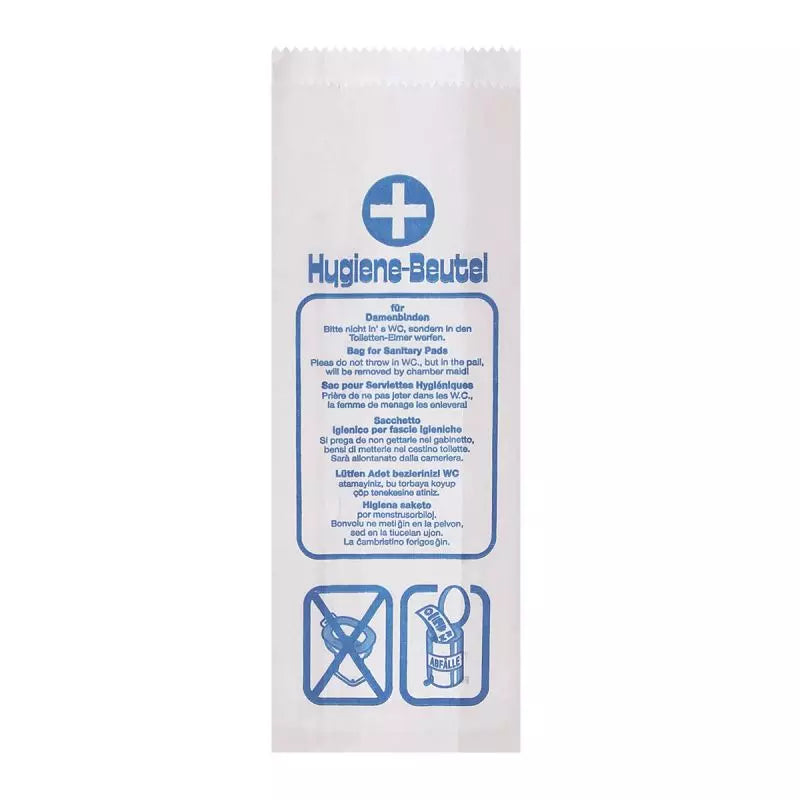
- Sanitary bins in toilet areas
120-litre bin bags
A popular standard for:
- Commercial kitchens
- Storage areas & waste disposal areas
- Office wastepaper baskets
- Workshops
240-litre bin bags
The right choice for:
- Large commercial kitchens & canteens
- Outdoor waste bins & events
- Cleaning services & waste disposal professionals
- Outdoor waste bins
These particularly large bin bags offer plenty of volume and are usually extra tear-resistant to hold up reliably even under heavy use. In our range, you will find bin bag sizes with a capacity of up to 450 litres.
Tip: Make sure the bag is always a few centimetres larger than the waste bin – this makes it easier to fit and dispose of.
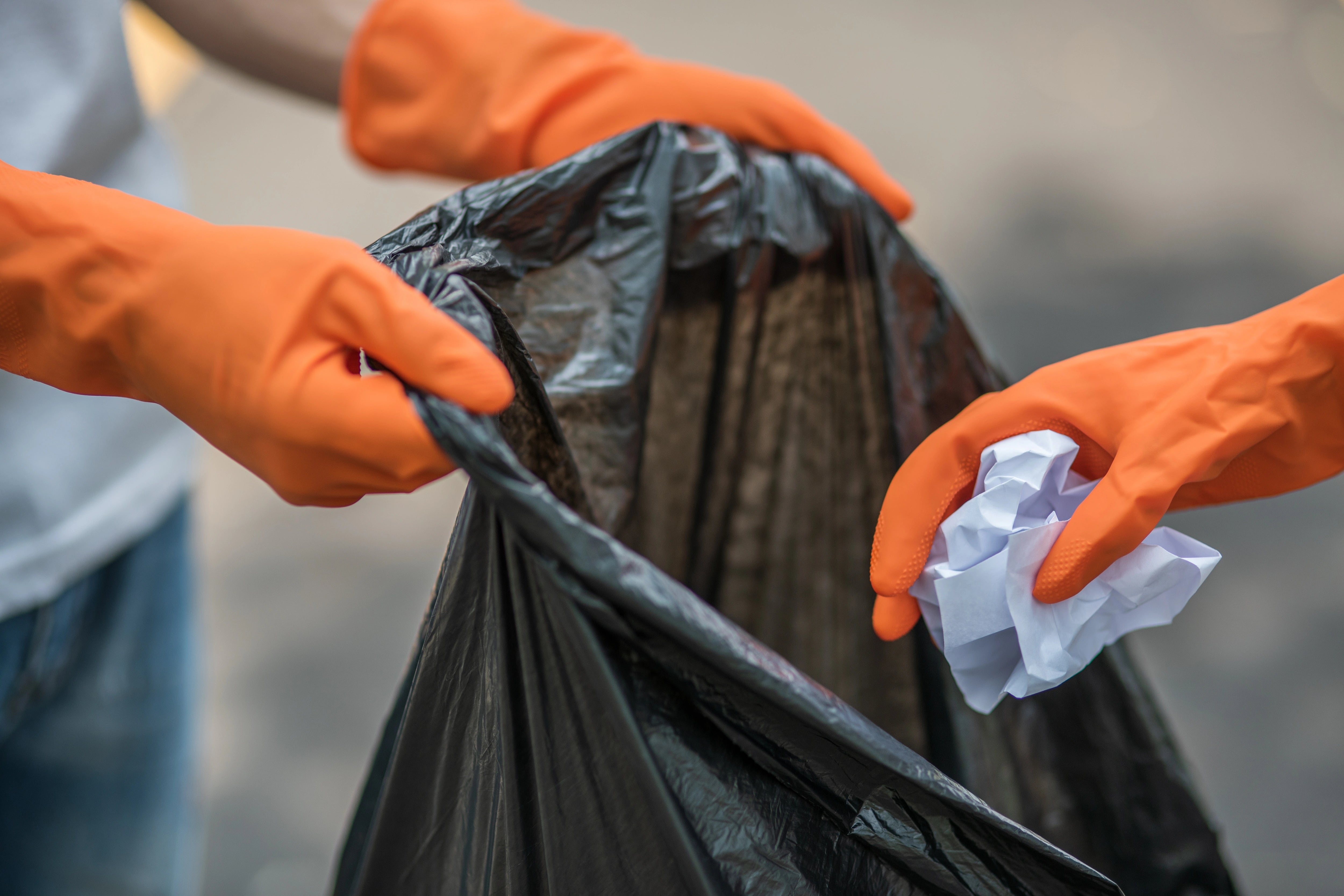
Trash Bags, Garbage Bags & Co. – Differences and Efficiency
The terms are often used synonymously, but there are subtle differences:
- Garbage bags: Garbage bags usually refer to smaller sizes (mostly up to 35 liters), ideal for the bathroom, kitchen, or desk.
- Trash bags: Trash bag is a neutral term for all sizes, usually available in rolls.
- Refuse sacks: Refuse sacks are large, often extra-strong bags from approx. 60 liters – for industry, catering, and cleaning.
Depending on the need, different terms are used, even though the function remains the same: clean, safe, and hygienic waste disposal. Commercial kitchens, food trucks, catering companies, and snack bars particularly benefit from tailored trash bag solutions – ideally in combination with modern waste systems that make sorting and disposal easier. By the way, you can find tips and tricks for reducing waste in the catering industry here.
Trash bag sizes
A key consideration when choosing the right bag is its volume. Depending on the waste bin, the amount of waste, and the area of use, you will need an appropriate size. The most common bin bag sizes are:
25-litre bin bags
These small bin bags are ideal for:
- Bathrooms
- Household kitchen waste
- Table waste in the catering industry
- Sanitary bins in toilet areas
120-litre bin bags
A popular standard for:
- Commercial kitchens
- Storage areas & waste disposal areas
- Office wastepaper baskets
- Workshops
240-litre bin bags
The right choice for:
- Large commercial kitchens & canteens
- Outdoor waste bins & events
- Cleaning services & waste disposal professionals
- Outdoor waste bins
These particularly large bin bags offer plenty of volume and are usually extra tear-resistant to hold up reliably even under heavy use. In our range, you will find bin bag sizes with a capacity of up to 450 litres.
Tip: Make sure the bag is always a few centimetres larger than the waste bin – this makes it easier to fit and dispose of.
Trash Bags, Garbage Bags & Co. – Differences and Efficiency
The terms are often used synonymously, but there are subtle differences:
- Garbage bags: Garbage bags usually refer to smaller sizes (mostly up to 35 liters), ideal for the bathroom, kitchen, or desk.
- Trash bags: Trash bag is a neutral term for all sizes, usually available in rolls.
- Refuse sacks: Refuse sacks are large, often extra-strong bags from approx. 60 liters – for industry, catering, and cleaning.
Depending on the need, different terms are used, even though the function remains the same: clean, safe, and hygienic waste disposal. Commercial kitchens, food trucks, catering companies, and snack bars particularly benefit from tailored trash bag solutions – ideally in combination with modern waste systems that make sorting and disposal easier. By the way, you can find tips and tricks for reducing waste in the catering industry here.
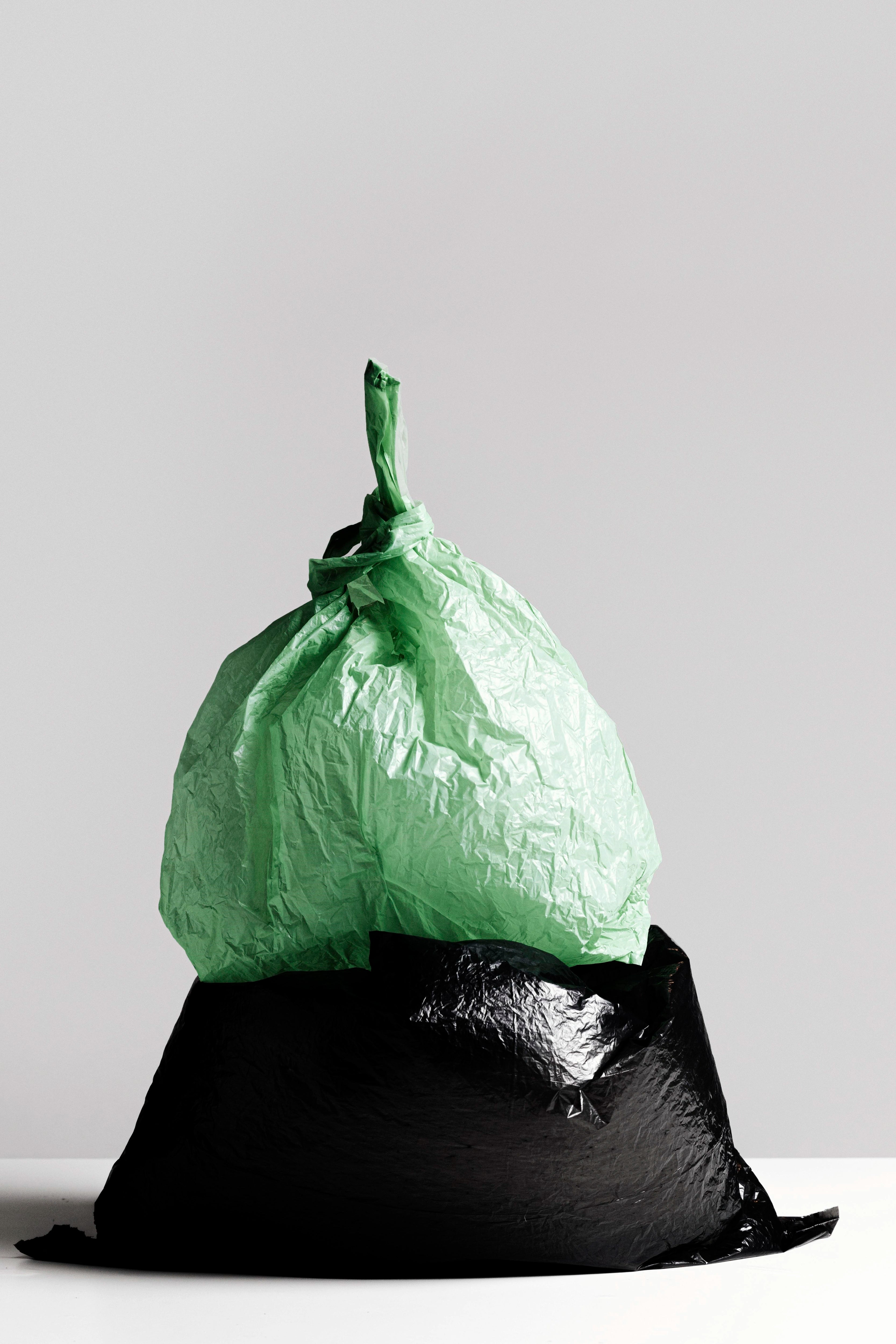
Bio-Paper Trash Bags – Materials Matter
An important factor when choosing the right bin liner is the material. Today, there are many alternatives to the classic plastic bag.
1. Classic PE plastic
- Robust, tear-resistant, water-repellent
- Available in many colors, thicknesses, and sizes
- Ideal for mixed waste, paper, and packaging
Disadvantage: Not biodegradable – therefore only suitable for general waste.
2. Recycled bin liners
- Made from recycled plastic
- Significantly more environmentally friendly than new plastic
- Same quality, but more sustainable
Tip: Look for bin liners with Blue Angel certification or a high recycled content!
3. Bio paper bin liners
- Made from sturdy kraft paper
- Ideal for organic waste, as they are compostable
- Without a plastic coating
- Often moisture-resistant
Perfect for catering businesses with their own organic waste, sustainable cafés, or other businesses that value environmental friendliness. The same applies to hygiene folding bags, unlike classic plastic hygiene bags.
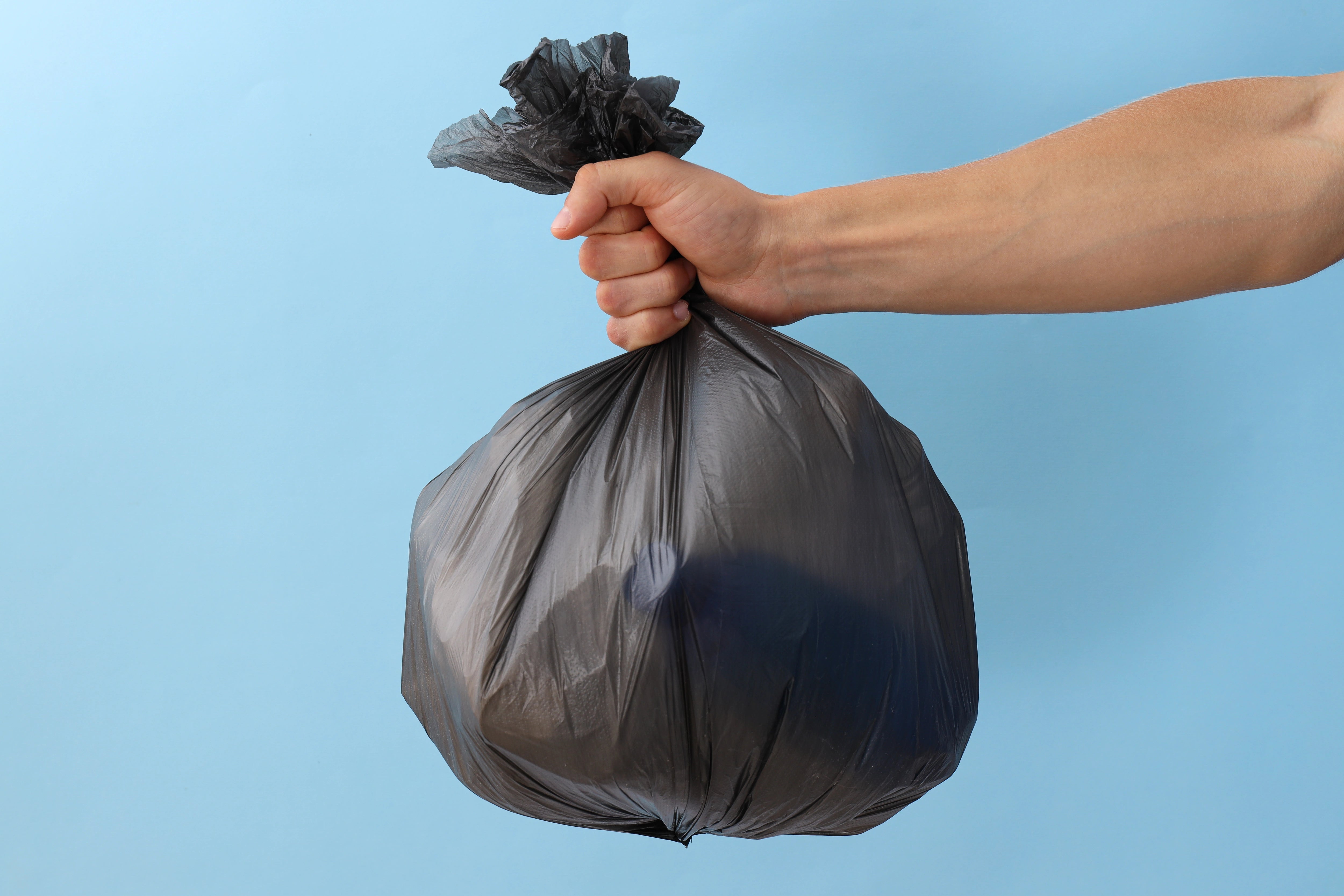
25-liter, 120-liter, 240-liter garbage bags – Which bag for which waste?
Not every trash bag is suitable for every type of waste. For general waste, PE trash bags in various sizes are suitable. It is best to use bio-paper trash bags or other compostable bags for organic waste. For paper waste, thin trash bags, recycling bags, or, even better, a paper bin are suitable. For packaging and bulky plastic, large-volume trash bags are suitable. If liquids must be disposed of with general waste, only bags with high strength should be used. In addition to size and material, you should pay attention to the following properties:
- Strength in µ (micrometers): The higher the number, the more stable the bag
- Colors: Black, transparent, blue, green, yellow – ideal for waste separation
- Drawstring: For quick closing
- Perforation on roll: Easy to tear off, saves time
- Scent additive: Against unpleasant odors
Bio-Paper Trash Bags – Materials Matter
An important factor when choosing the right bin liner is the material. Today, there are many alternatives to the classic plastic bag.
1. Classic PE plastic
- Robust, tear-resistant, water-repellent
- Available in many colors, thicknesses, and sizes
- Ideal for mixed waste, paper, and packaging
Disadvantage: Not biodegradable – therefore only suitable for general waste.
2. Recycled bin liners
- Made from recycled plastic
- Significantly more environmentally friendly than new plastic
- Same quality, but more sustainable
Tip: Look for bin liners with Blue Angel certification or a high recycled content!
3. Bio paper bin liners
- Made from sturdy kraft paper
- Ideal for organic waste, as they are compostable
- Without a plastic coating
- Often moisture-resistant
Perfect for catering businesses with their own organic waste, sustainable cafés, or other businesses that value environmental friendliness. The same applies to hygiene folding bags, unlike classic plastic hygiene bags.
25-liter, 120-liter, 240-liter garbage bags – Which bag for which waste?
Not every trash bag is suitable for every type of waste. For general waste, PE trash bags in various sizes are suitable. It is best to use bio-paper trash bags or other compostable bags for organic waste. For paper waste, thin trash bags, recycling bags, or, even better, a paper bin are suitable. For packaging and bulky plastic, large-volume trash bags are suitable. If liquids must be disposed of with general waste, only bags with high strength should be used. In addition to size and material, you should pay attention to the following properties:
- Strength in µ (micrometers): The higher the number, the more stable the bag
- Colors: Black, transparent, blue, green, yellow – ideal for waste separation
- Drawstring: For quick closing
- Perforation on roll: Easy to tear off, saves time
- Scent additive: Against unpleasant odors
Buy garbage bags at low prices
Especially with consumable products like garbage bags, it pays to pay attention to value for money. But how can you buy garbage bags at a low price without compromising on quality? Because torn garbage bags or poorly packaged waste cause more hassle and higher follow-up costs. Here’s how you can buy garbage bags at a low price while making an efficient choice:
- Choose large packs or rolls with a high quantity
- Use refill packs for existing dispensers
- Analyze your needs: the largest garbage bags are not always the most practical
Whether small garbage bags, practical 25-liter, 120-liter, or 240-liter garbage bags, or sturdy garbage sacks – with the right products, waste disposal in your business runs cleanly, hygienically, and efficiently. If you also use bio-based paper garbage bags or other sustainable alternatives, you are also making a clear statement in favor of environmental awareness. At Better-Pack, you can buy your garbage bags at a low price today while choosing professional solutions that make a difference in every business!
Stock images by jcomp, jcomp, freepik, atlascompany and wirestock on Freepik.
Garbage Bags FAQ
In our garbage bag FAQ, we provide answers to frequently asked questions about garbage bags. From questions about permitted garbage bags and different types of garbage bags to tips for finding your ideal garbage bags, you'll find short and concise answers to the most important questions on the topic.
Which garbage bags are allowed in the organic waste bin?
Which garbage bags are allowed in the organic waste bin?
Only compostable waste bags made of paper or certified bioplastic bags with the seedling symbol (EN 13432) are permitted in the organic waste bin. However, in many regions, compostable paper waste bags are preferred, as they break down without leaving residues and cause fewer problems during composting. Important: Conventional plastic bags or non-certified biodegradable "green" bags do not belong in the organic waste bin.
How do I find the right trash bag?
How do I find the right trash bag?
The right bin liner depends on the volume of your wastebasket, the type of waste, and your preferred material.
- For organic waste: compostable paper bags
- For light waste: thin liners made from recycled material
- For heavy or wet waste: tear-resistant, heavy-duty liners (e.g. 60 µm or thicker)
Also consider whether you need a liner with a drawstring, handles, or perforations, depending on how often and how quickly you change it.
How good are compostable trash bags?
How good are compostable trash bags?
Compostable waste bags are a sustainable alternative to conventional plastic bags. Bio paper waste bags, in particular, have proven themselves in everyday use: they are sturdy, breathable, and allow moisture to evaporate – reducing odors. Bioplastic bags (PLA or Mater-Bi) are also permitted, but can cause problems in some composting facilities. It is best to pay attention to local guidelines or opt for paper entirely.
Where can you get garbage bags?
Where can you get garbage bags?
You can buy garbage bags at:
- Supermarkets & drugstores
- Home improvement stores & specialty stores
- Online shops with a wide selection
For commercial customers, it pays to buy from packaging specialists, as garbage bags are available here in various sizes, materials, and thicknesses – often at a lower price in bulk packs.
What kind of trash bags for general waste?
What kind of trash bags for general waste?
For general waste, sturdy polyethylene (PE) trash bags are suitable – usually black or gray. Depending on the amount and type of waste, you choose:
- 25–35 liter trash bags for household waste bins
- 60–120 liter trash bags for kitchens or offices
- 240 liter trash bags for outdoor waste bins
How big are 20-liter garbage bags?
How big are 20-liter garbage bags?
A 20-liter trash bag is usually approx. 50–60 cm high and 45–50 cm wide, depending on the manufacturer and shape (round or rectangular). This size fits well in smaller trash cans in the bathroom, office, or under the sink.
What sizes are garbage bags available in?
What sizes are garbage bags available in?
Garbage bags are available in many sizes, including:
- 5–20 liters: for small wastebaskets, bathrooms, and kitchens
- 25–35 liters: for standard kitchen bins
- 60 liters: for medium-sized wastebaskets or paper sacks
- 120 liters: for large bins in the catering and commercial sectors
- 240 liters: for waste bins or high-volume use
Special sizes are also available for bins, containers, or industrial applications—with or without drawstrings, and made from paper, recycled material, or bioplastic.