

Soup bowls
Filters
6 products
Tax excluded.
Tax excluded.
Tax excluded.
Tax excluded.
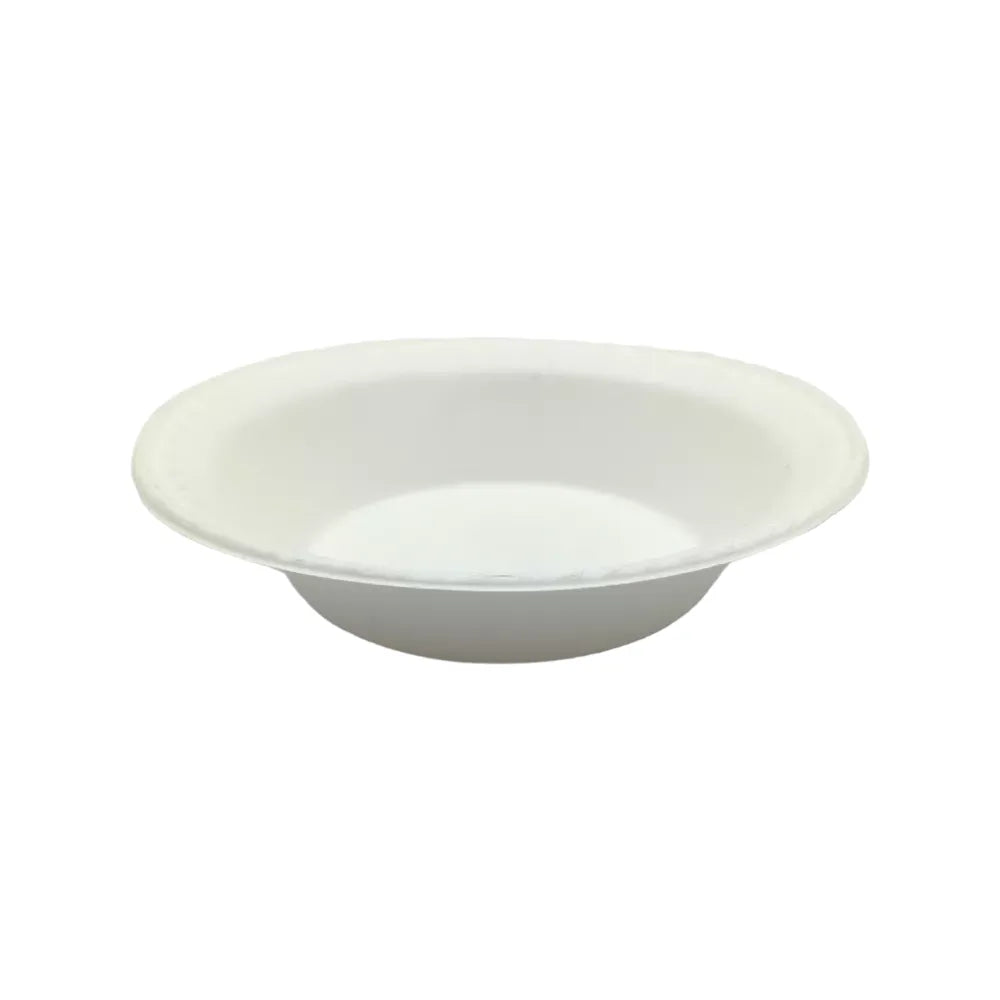
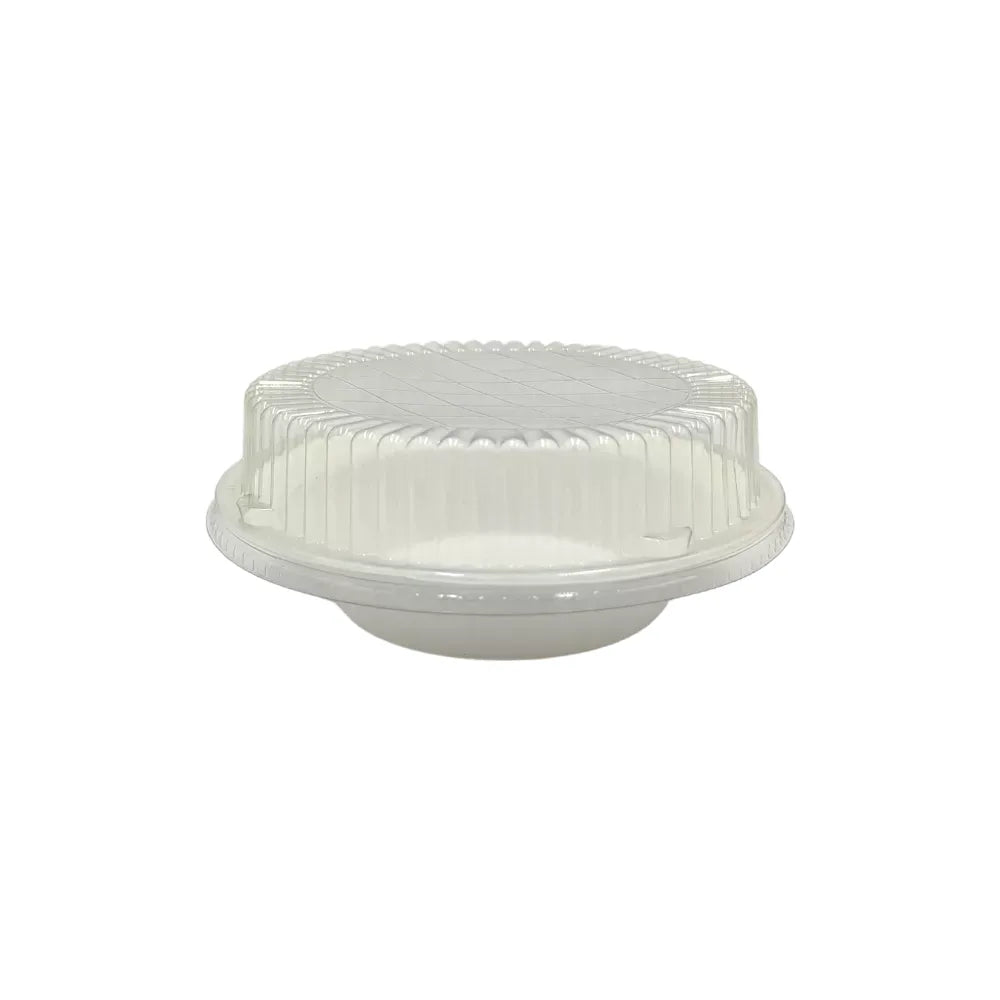
Tax excluded.
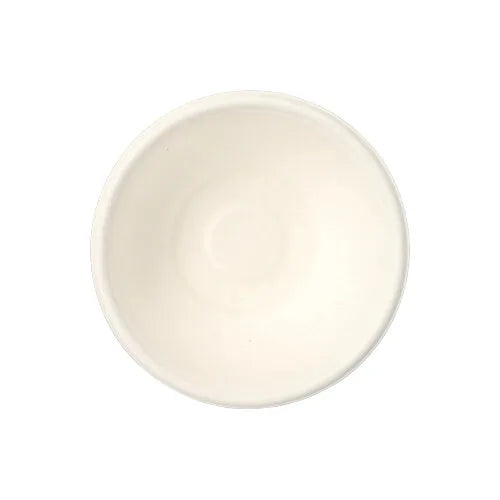
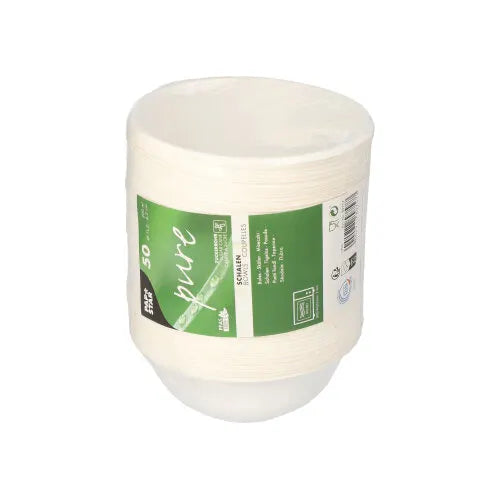
Tax excluded.
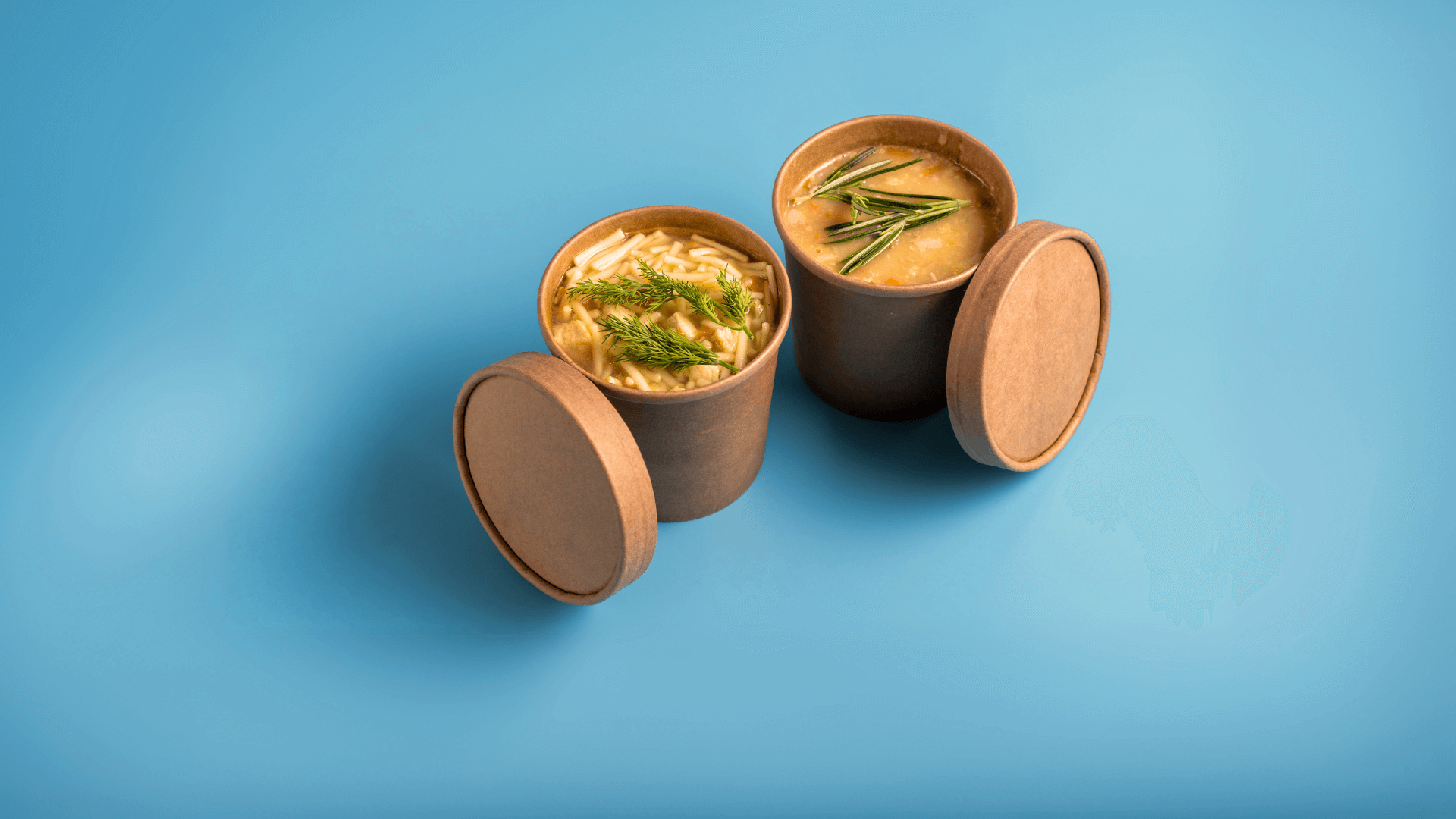
Whether summer or winter, a quick, warm soup to go satisfies cravings and leaves a pleasant feeling in the throat. Soups are an integral part of modern to-go cuisine, becoming increasingly popular both as a takeaway option and for deliveries. To ensure practical and hygienic packaging, Better-Pack's eco-friendly disposable soup containers are the perfect choice for food service businesses. These sustainable disposable soup containers make it easy to transport and enjoy soups, stews, and other hot dishes.
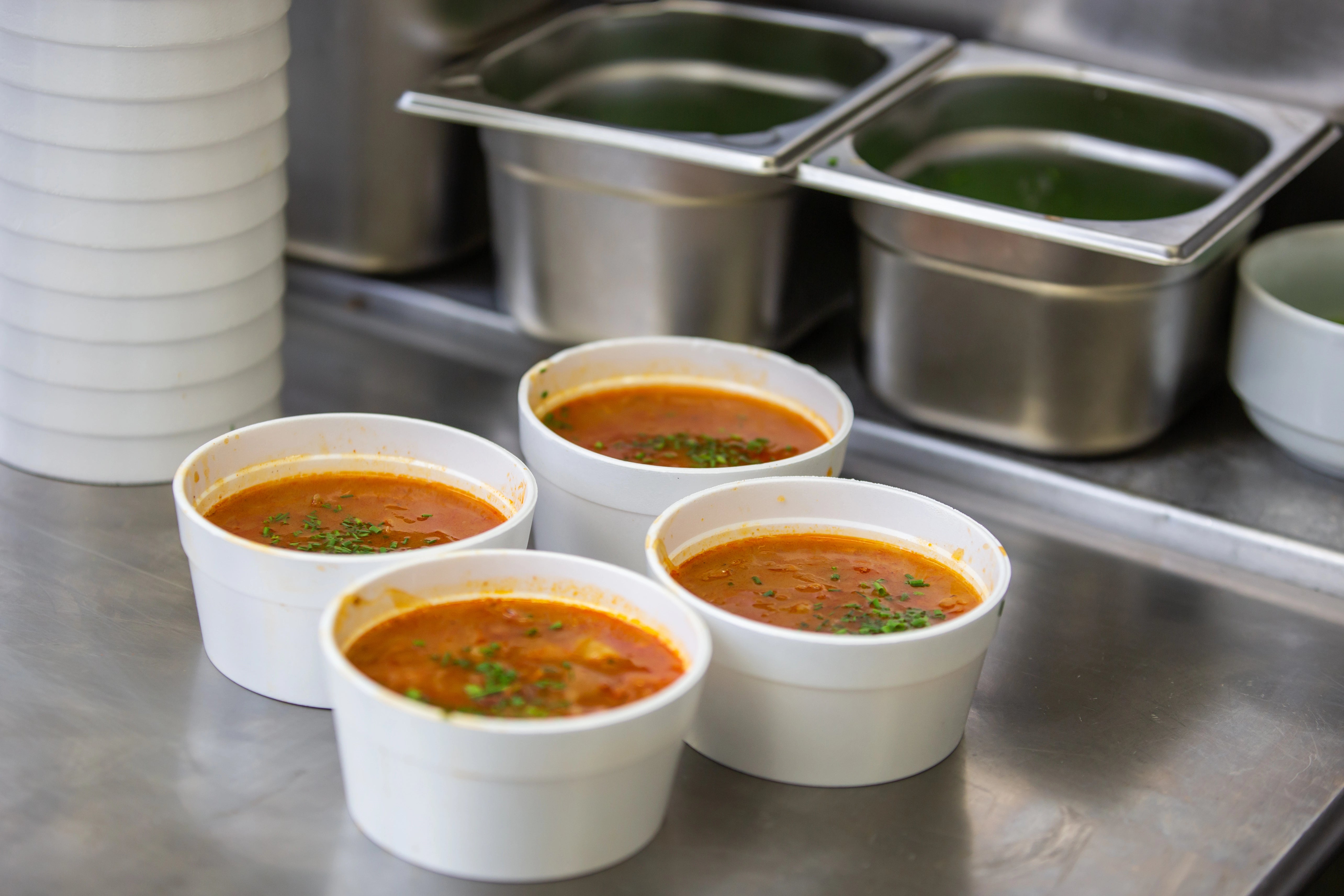
Disposable soup bowls from Better-Pack
But what types of soup bowls are there? Which materials are sustainable and what should you look for when buying? You can find the answers to these questions on this page. Especially in the to-go sector or at events, disposable soup bowls are indispensable. They offer numerous advantages:
- Hygienic & practical – Use once and dispose of without extensive cleaning
- Suitable for on the go – Secure transport thanks to leak-proof lids
- Versatile – Perfect for soups, stews, or curries
- Sustainable options – There are now a number of environmentally friendly soup bowls on the market
However, certain materials should be considered, especially when it comes to sustainability! For example, you should never use plastic soup bowls for single use.
Plastic Soup Bowls – Problematic Packaging
While plastic was long the preferred material for disposable packaging, such as disposable soup plates, plastic soup bowls have come under increasing criticism. Quite rightly, as we at Better-Pack think! Because plastic soup bowls…
- are harmful to the environment: Plastic takes centuries to decompose.
- are not biodegradable: Microplastics enter the environment, causing severe pollution.
- are increasingly restricted by regulations: The EU is increasingly restricting single-use plastic products such as plastic soup bowls.
Although plastic is lightweight and sturdy, there are many better alternatives available today. Anyone looking to act environmentally responsibly should opt for cardboard soup plates or bagasse soup plates instead of plastic soup bowls.
Disposable soup bowls from Better-Pack
But what types of soup bowls are there? Which materials are sustainable and what should you look for when buying? You can find the answers to these questions on this page. Especially in the to-go sector or at events, disposable soup bowls are indispensable. They offer numerous advantages:
- Hygienic & practical – Use once and dispose of without extensive cleaning
- Suitable for on the go – Secure transport thanks to leak-proof lids
- Versatile – Perfect for soups, stews, or curries
- Sustainable options – There are now a number of environmentally friendly soup bowls on the market
However, certain materials should be considered, especially when it comes to sustainability! For example, you should never use plastic soup bowls for single use.
Plastic Soup Bowls – Problematic Packaging
While plastic was long the preferred material for disposable packaging, such as disposable soup plates, plastic soup bowls have come under increasing criticism. Quite rightly, as we at Better-Pack think! Because plastic soup bowls…
- are harmful to the environment: Plastic takes centuries to decompose.
- are not biodegradable: Microplastics enter the environment, causing severe pollution.
- are increasingly restricted by regulations: The EU is increasingly restricting single-use plastic products such as plastic soup bowls.
Although plastic is lightweight and sturdy, there are many better alternatives available today. Anyone looking to act environmentally responsibly should opt for cardboard soup plates or bagasse soup plates instead of plastic soup bowls.
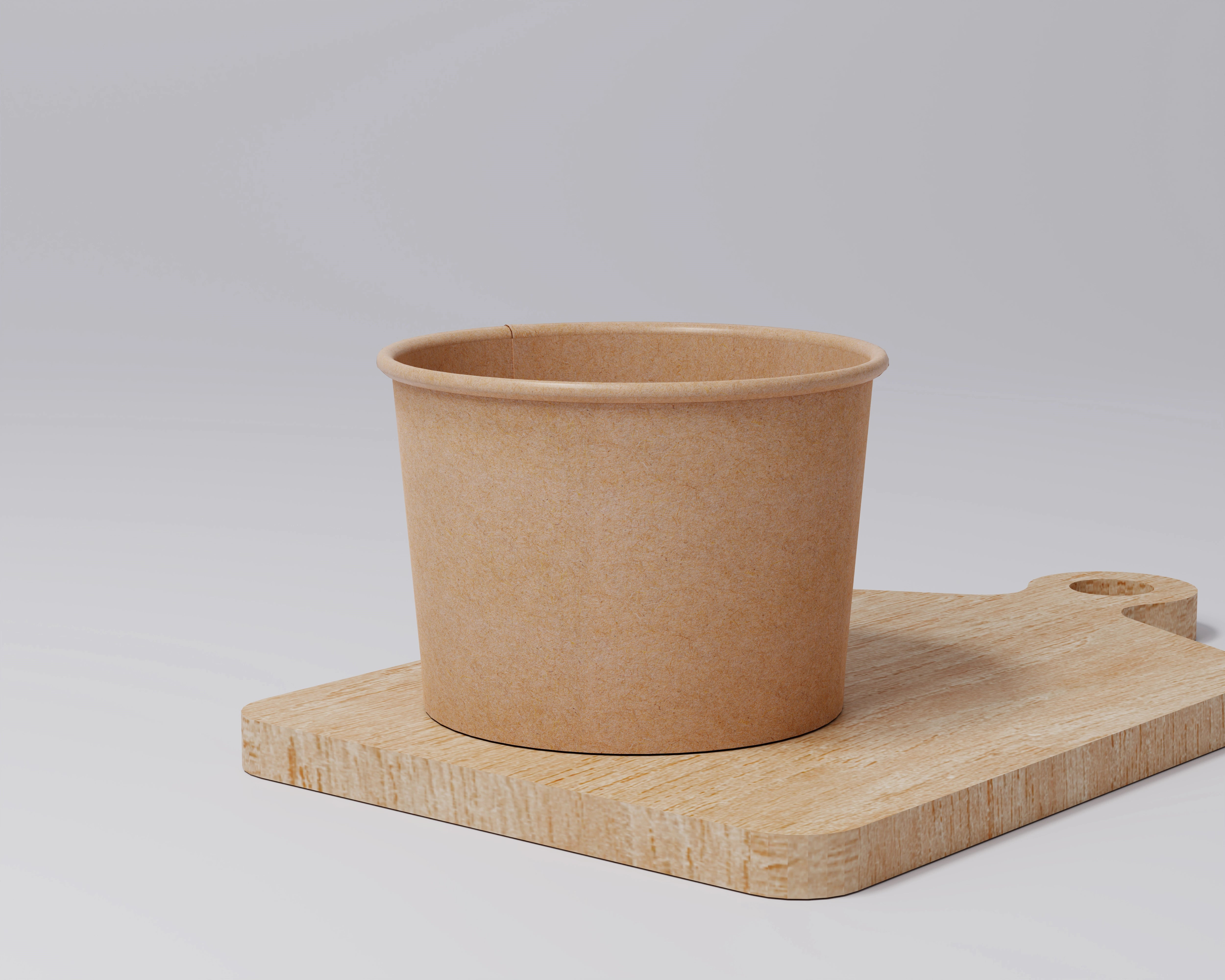
Paper Soup Bowls and Bagasse Soup Bowls – Sustainable Packaging
Depending on the material and intended use, there are several different types of disposable soup bowls available. As sustainable alternatives to plastic soup bowls, we would like to introduce you to disposable cardboard and bagasse soup bowls.
Cardboard Soup Bowls
Cardboard soup bowls are a viable alternative to plastic soup bowls. This is because cardboard soup bowls are made from sturdy, grease-resistant cardboard and feature a coating that makes them heat-resistant. However, you should always make sure that the coatings are environmentally friendly. Cardboard soup bowls like these are:
- biodegradable – many varieties are compostable and therefore extremely environmentally friendly
- heat-resistant – coated cardboard soup bowls are also suitable for hot dishes
- sturdy and leak-proof – the special coatings prevent the cardboard soup bowls from becoming soggy
- perfect for soups, stews, and curries
By the way, you can find a variety of disposable bowls, not only made from cardboard but also from many other materials, here.
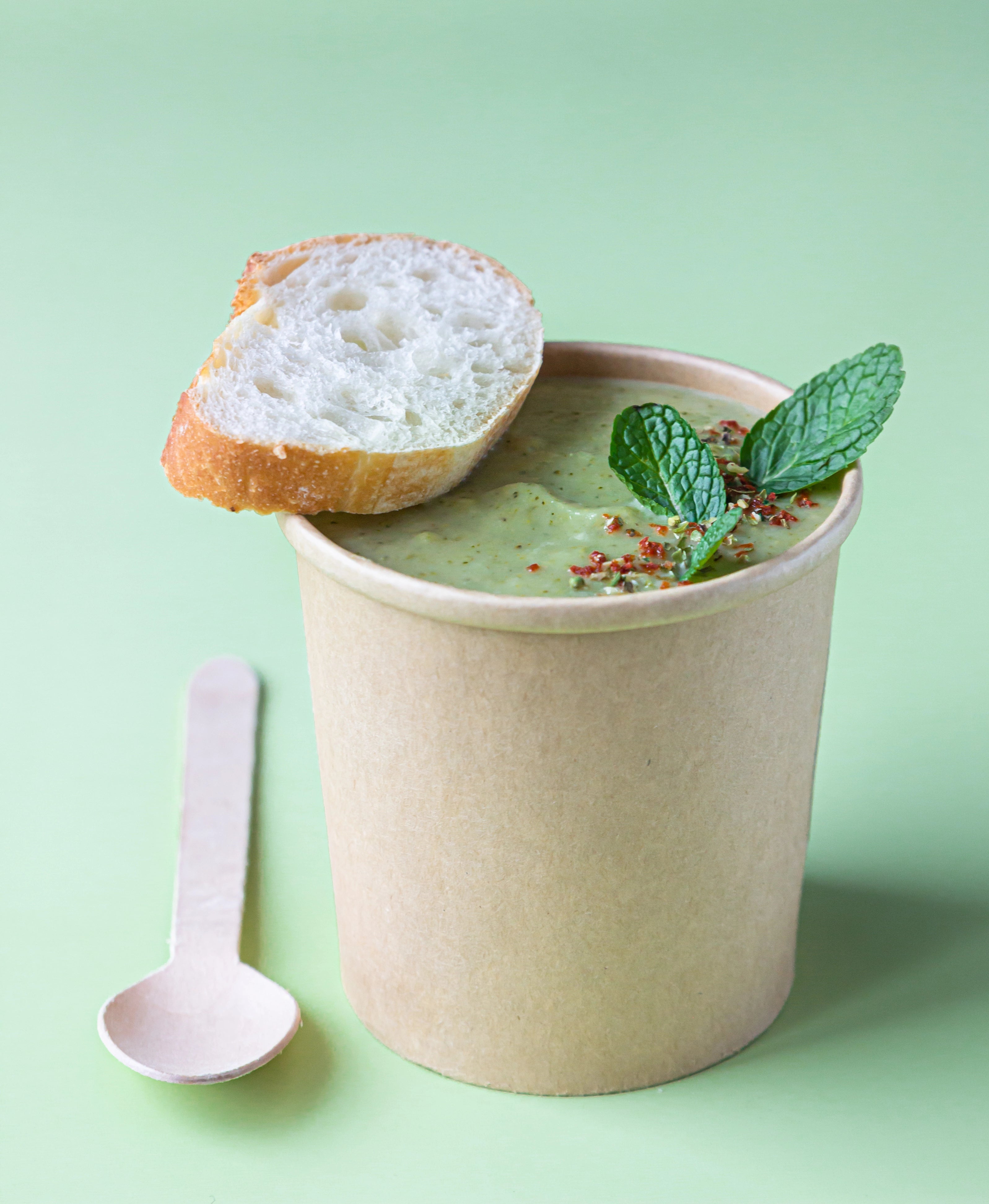
Bagasse Soup Plates
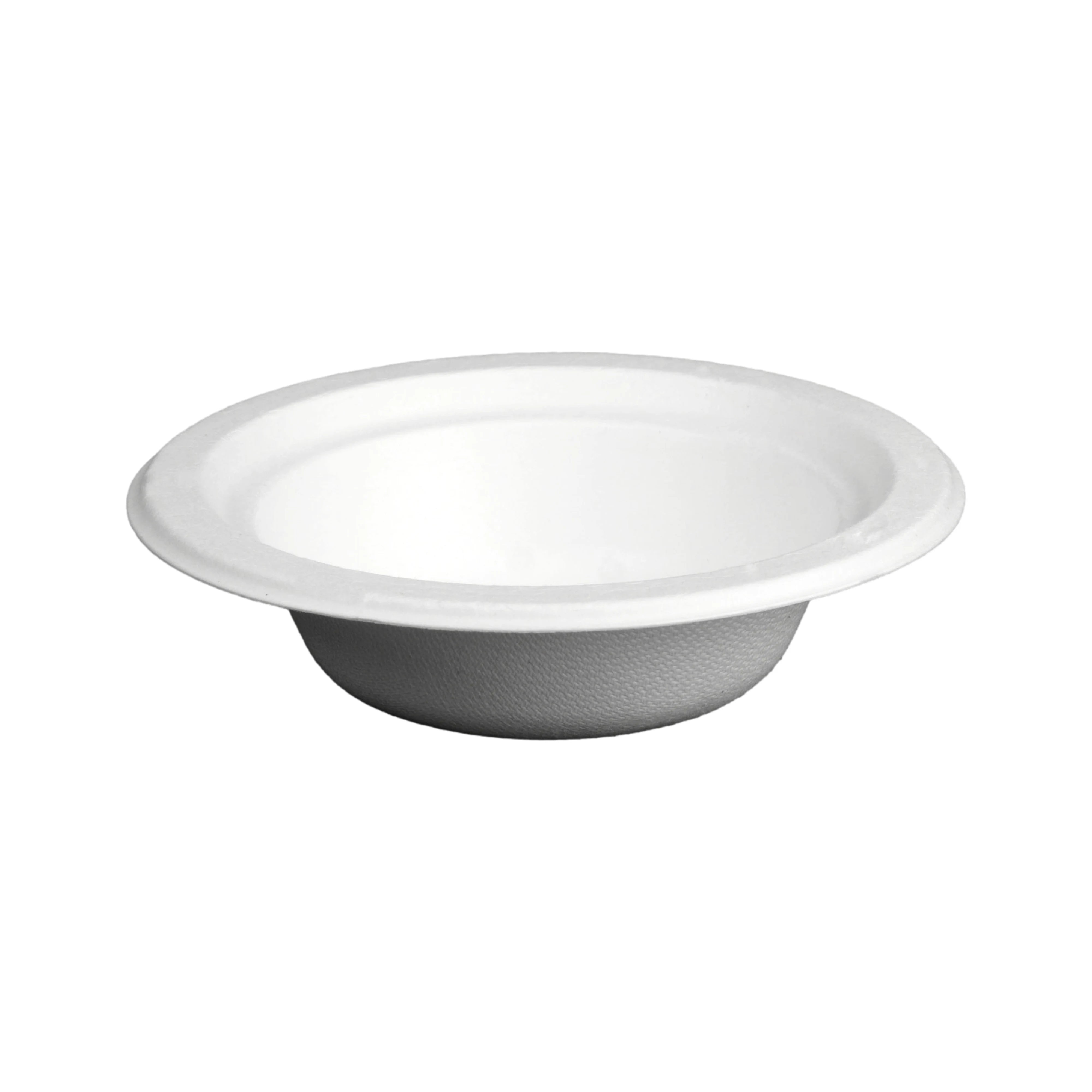
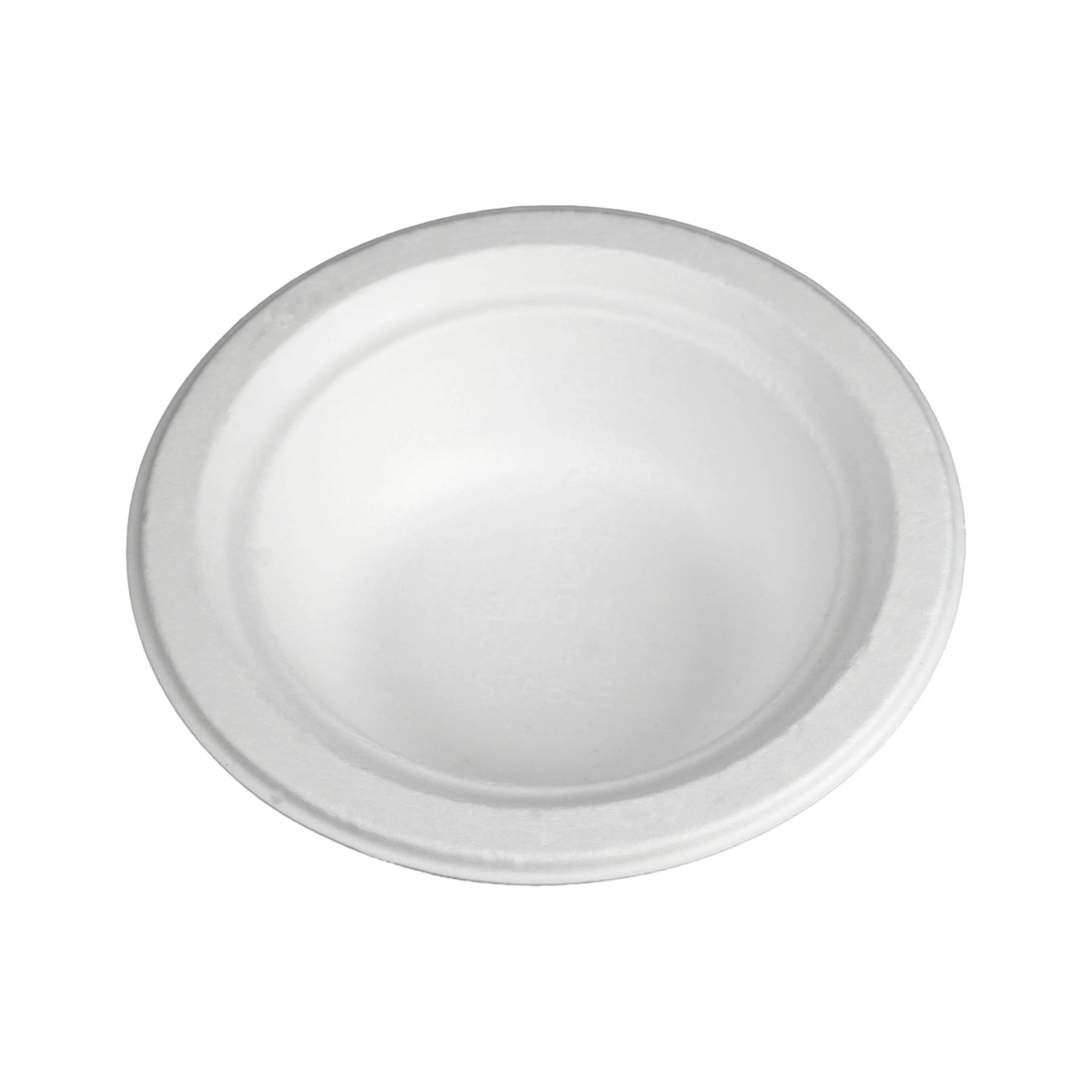
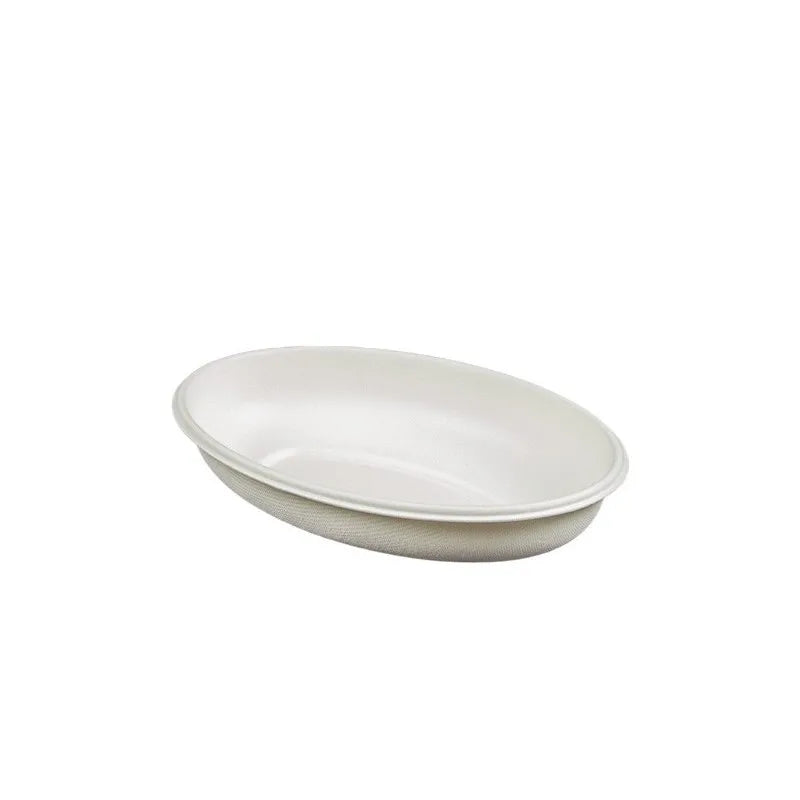
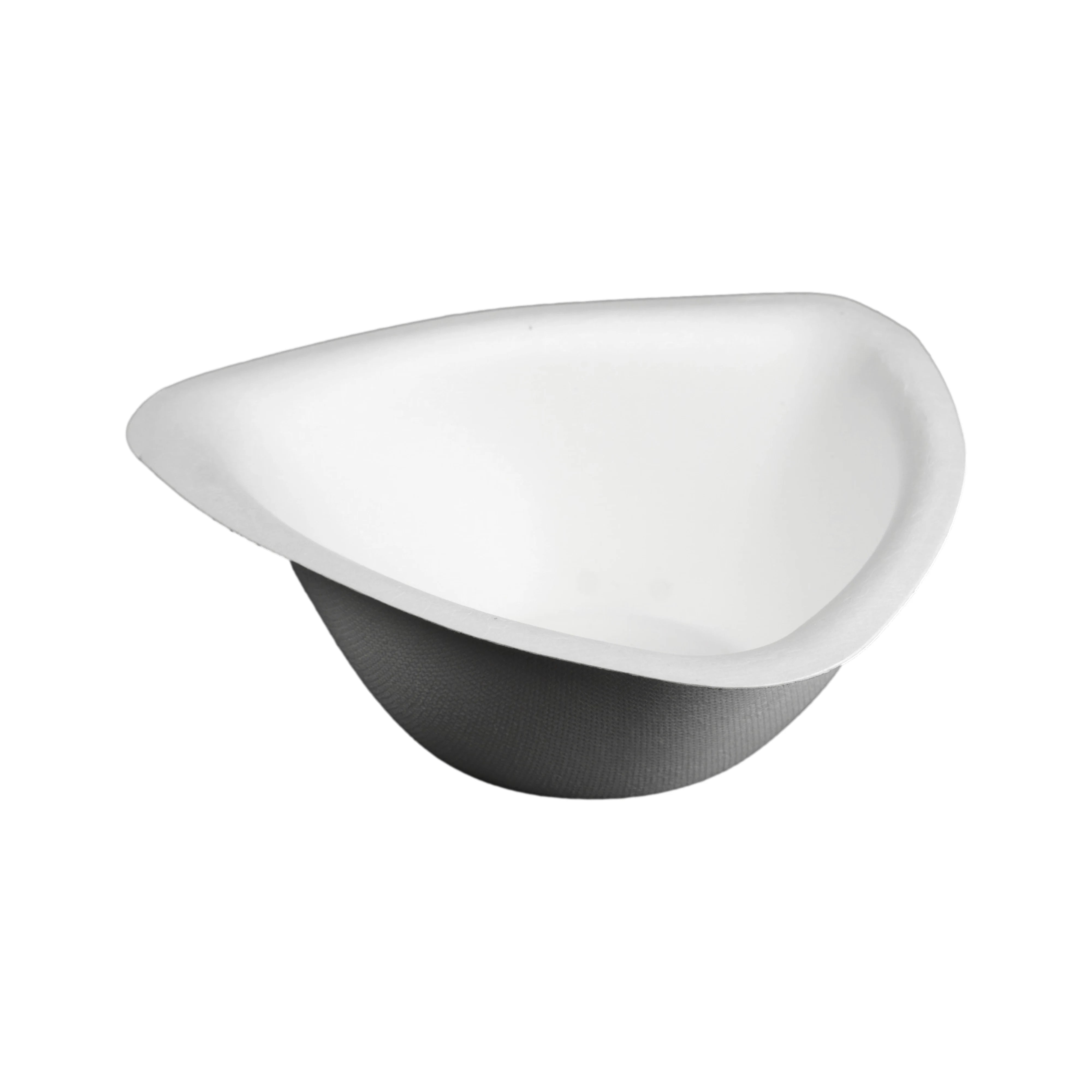
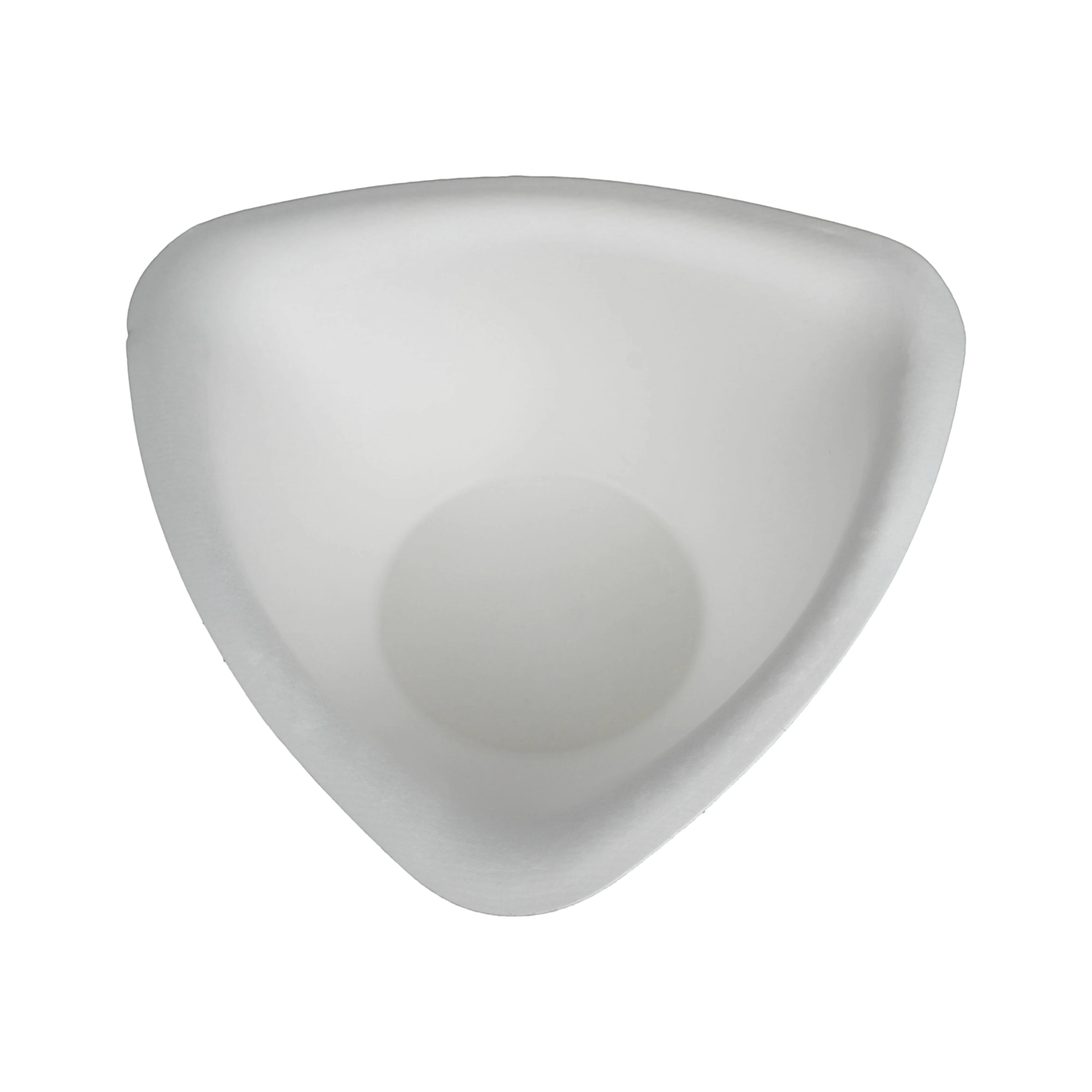
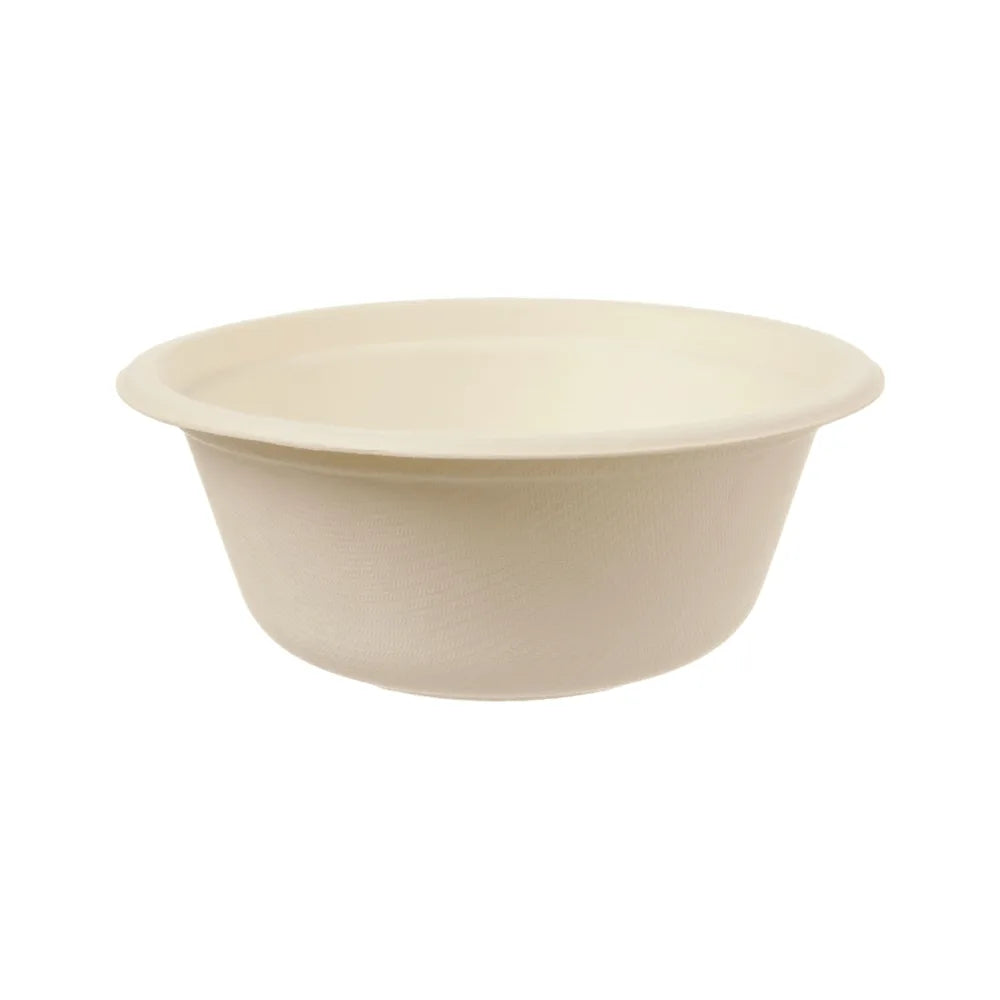
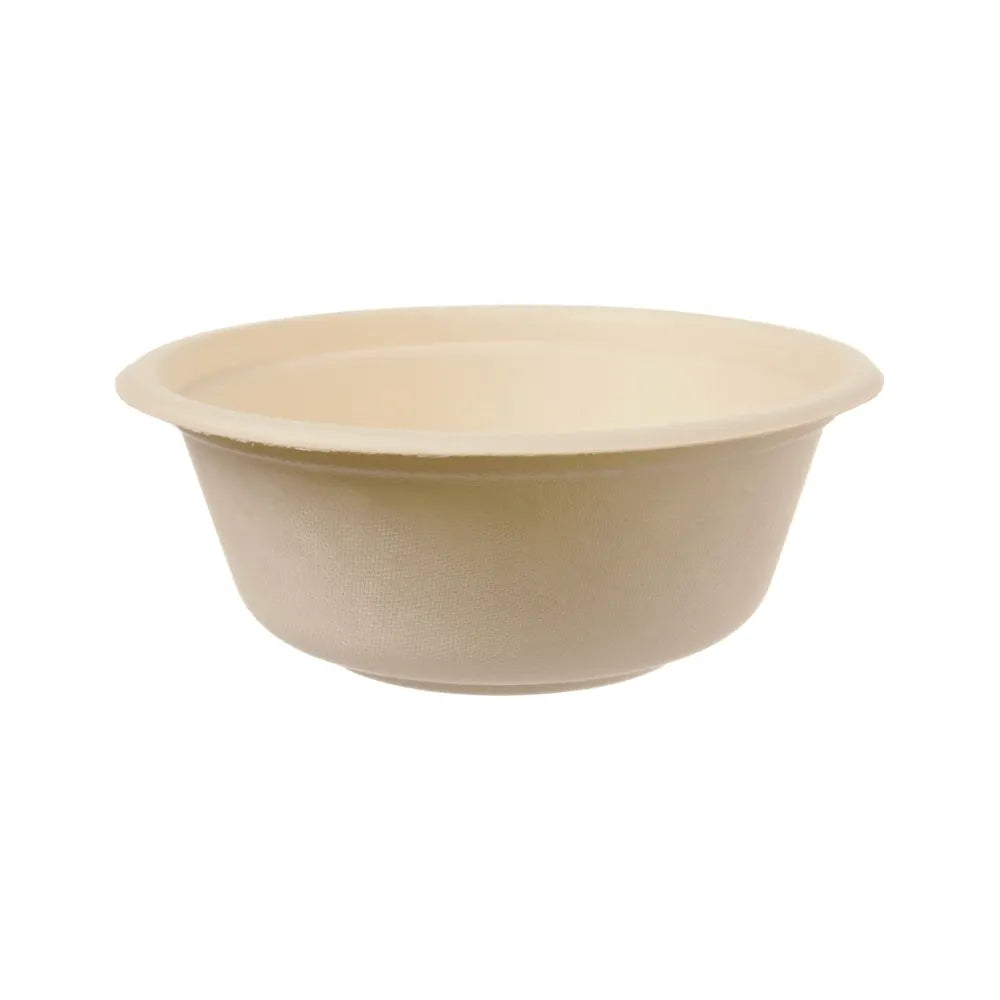
A particularly eco-friendly alternative to plastic soup bowls is disposable bagasse soup bowls. Bagasse is a byproduct of sugarcane processing, which makes these disposable bagasse soup plates incredibly eco-friendly. Because disposable bagasse soup plates are:
- sustainable and resource-efficient
- 100% biodegradable
- very sturdy and heat-resistant
- greaseproof and leakproof
- suitable for hot and cold dishes
Disposable bagasse soup bowls are an excellent choice for all restaurateurs who value sustainability. Speaking of sustainability: Would you like to stand out from the competition and go the extra mile? Then offer your customers reusable cutlery for your dishes, to act even more eco-friendly and even save more money in the long run. Because if you take back and clean the reusable spoons for eating the soups through a deposit system, it will be much cheaper for you in the long run than constantly purchasing new disposable cutlery!
Paper Soup Bowls and Bagasse Soup Bowls – Sustainable Packaging
Depending on the material and intended use, there are several different types of disposable soup bowls available. As sustainable alternatives to plastic soup bowls, we would like to introduce you to disposable cardboard and bagasse soup bowls.
Cardboard Soup Bowls
Cardboard soup bowls are a viable alternative to plastic soup bowls. This is because cardboard soup bowls are made from sturdy, grease-resistant cardboard and feature a coating that makes them heat-resistant. However, you should always make sure that the coatings are environmentally friendly. Cardboard soup bowls like these are:
- biodegradable – many varieties are compostable and therefore extremely environmentally friendly
- heat-resistant – coated cardboard soup bowls are also suitable for hot dishes
- sturdy and leak-proof – the special coatings prevent the cardboard soup bowls from becoming soggy
- perfect for soups, stews, and curries
By the way, you can find a variety of disposable bowls, not only made from cardboard but also from many other materials, here.
Bagasse Soup Plates
A particularly eco-friendly alternative to plastic soup bowls is disposable bagasse soup bowls. Bagasse is a byproduct of sugarcane processing, which makes these disposable bagasse soup plates incredibly eco-friendly. Because disposable bagasse soup plates are:
- sustainable and resource-efficient
- 100% biodegradable
- very sturdy and heat-resistant
- greaseproof and leakproof
- suitable for hot and cold dishes
Disposable bagasse soup bowls are an excellent choice for all restaurateurs who value sustainability. Speaking of sustainability: Would you like to stand out from the competition and go the extra mile? Then offer your customers reusable cutlery for your dishes, to act even more eco-friendly and even save more money in the long run. Because if you take back and clean the reusable spoons for eating the soups through a deposit system, it will be much cheaper for you in the long run than constantly purchasing new disposable cutlery!
Uses of disposable soup bowls.
Safe transport of hot food.
Perfect for noodle soups or stews.
Convenient disposable solution for large events.
Hygienic serving of food to visitors.
Disposable soup plates: How to find the perfect soup bowls
Disposable soup containers are useful for the to-go business. And plastic soup containers should be avoided. So far, so good. But how do you find the perfect disposable soup bowls for your food service business? Here are some tips for choosing the right disposable soup bowls:
- Choose materials consciously: Sustainable alternatives such as paper soup bowls or bagasse soup bowls should always be preferred.
- Consider stability: Disposable soup containers should be leakproof and heat-resistant; always pay attention to the product properties!
- With or without a lid? Soup containers with matching lids make transport easier. However, to save material, lids should only be used when they are really needed.
- Use design and branding: Individually printed containers increase the recognition of your business.
If you consider these aspects and opt for eco-friendly disposable soup bowls from Better-Pack, you can't go wrong. For the safe and convenient enjoyment of soups and stews, disposable soup containers are essential. Choosing eco-friendly disposable soup bowls not only makes a contribution to environmental protection, but also scores points with environmentally conscious customers. The future belongs to sustainable materials – an investment that pays off in the long run.

Soup Bowls FAQ
In our soup bowl FAQ, we provide answers to frequently asked questions about soup bowls. From soup plates in general to bagasse soup bowls, as well as various sizes and fill volumes, you will find short and concise answers to the most important questions on the topic.
What is a soup plate?
What is a soup plate?
A soup plate is a shallow but slightly recessed plate specifically designed for soups and stews. It offers a large surface area, allowing soups to cool down more quickly. However, the word "soup plate" is often used synonymously with "soup bowl".
What are soup plates used for?
What are soup plates used for?
What are soup plates used for?
Soup plates are ideal for:
- Clear soups such as broths or consommés
- Cream soups such as tomato or pumpkin soup
- Stews and ragouts that are not too runny
- Appetizers where the soup is plated decoratively
In the catering industry, in addition to classic soup plates, deep soup bowls or soup cups for to-go options are also used.
What are bagasse plates?
What are bagasse plates?
Bagasse plates are sustainable plates made from sugarcane fibers, which are produced as a byproduct of sugar production. They are biodegradable, sturdy, and an environmentally friendly alternative to conventional disposable plates made of plastic or Styrofoam.
How big should a soup bowl be?
How big should a soup bowl be?
The ideal size of a soup bowl depends on the type of soup and the portion size. Typical diameters for soup bowls are:
- Small bowls (12–15 cm diameter) for appetizers or small side dishes
- Medium bowls (16–20 cm diameter) for main course portions
- Large bowls (from 21 cm diameter) for soup buffets or large stews
How many ml fit in a soup bowl?
How many ml fit in a soup bowl?
The capacity of a soup bowl varies depending on the model:
- Small bowls hold approximately 250–350 ml
- Standard soup bowls offer a capacity of 400–600 ml
- Large bowls can hold 700 ml to 1 liter