

Slides
Filters
6 products
Tax excluded.
Width (cm):
Tax excluded.
Width (cm):
Tax excluded.
Tax excluded.
Tax excluded.
Width (cm):
Tax excluded.
Width (cm):
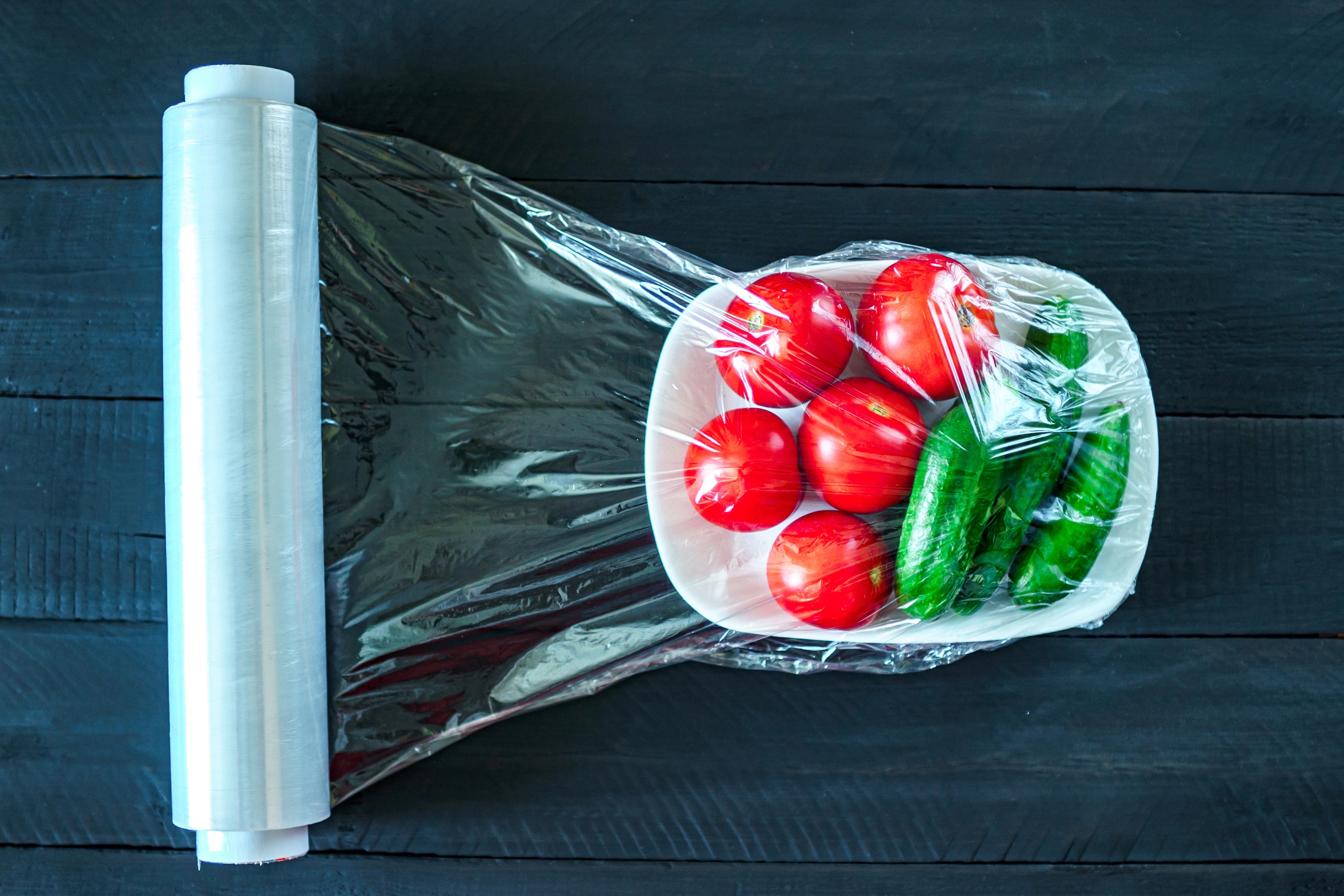
Films are versatile packaging solutions in the catering and food industries. Whether in restaurants, retail, or food production, food packaging films play a crucial role in packaging and storing fresh products. They provide protection, extend shelf life, and ensure hygienic storage. While films are indispensable in the food sector, questions about their environmental friendliness are increasingly being raised. Learn everything here about the functions, types, and applications of food packaging films, as well as the sustainability of various film packaging solutions.
Food Films from Better-Pack
Food wraps are films designed for packaging food. They protect against external influences such as air, moisture, and germs, prevent loss of aroma, and help keep food fresh. The most important functions of food wraps include the following:
- Extending the shelf life of food
- Protection from contamination and external influences
- Optimal storage
- Hygienic transport
- Easy portioning and packaging of food
Food wraps are available in various types and versions, but these functions are common to all of them.
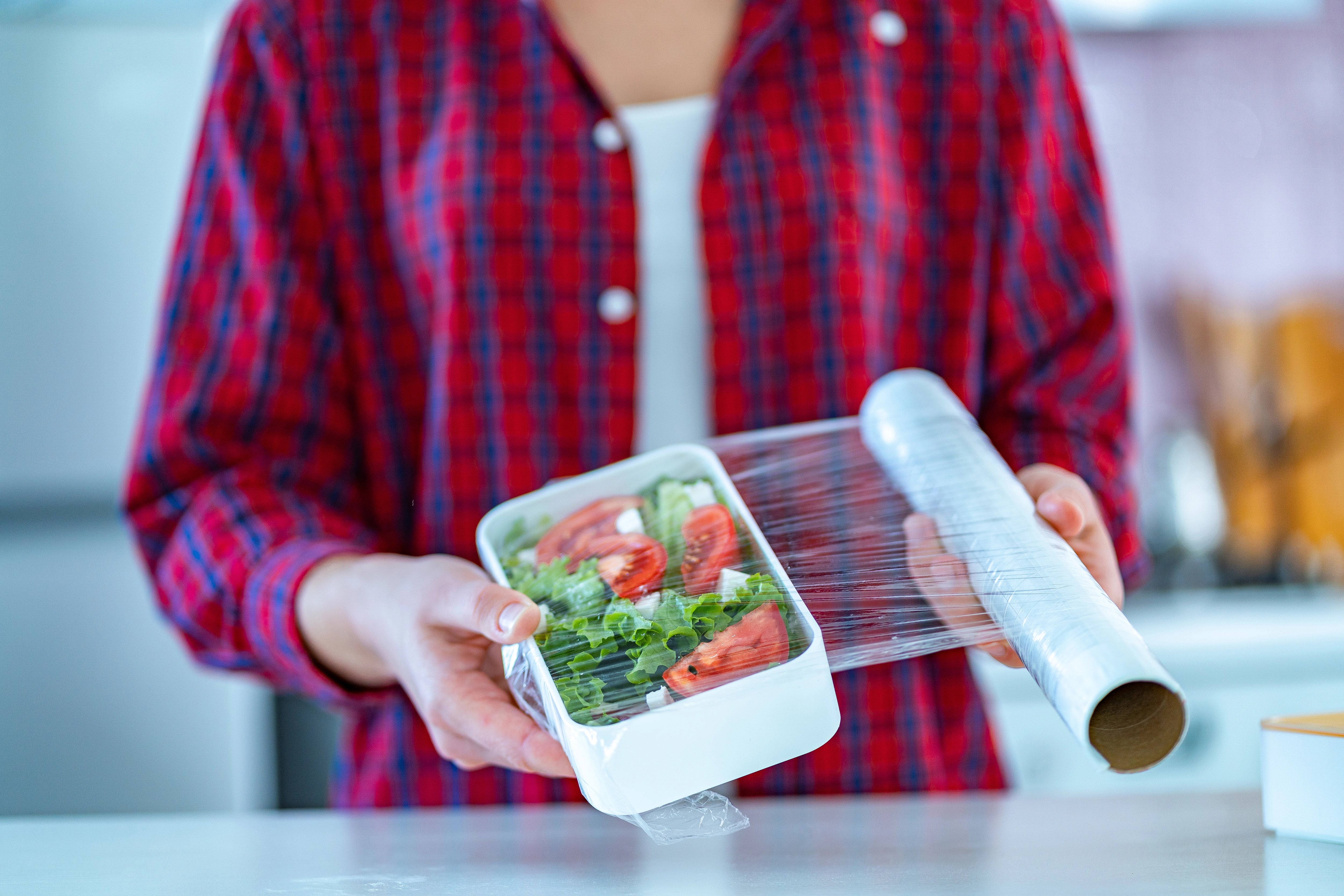
In our food packaging films range, you will find a wide selection of films. From classic aluminium foil and versatile cling film to organic sealing film for sealing trays, we have everything in stock that any packaging enthusiast could want. Our food packaging films have a wide range of applications. They are used every day in the catering industry, retail, butcher shops, bakeries and catering. Food packaging films not only protect food physically, but also against oxidation, dirt and loss of flavour. If you still cannot find what you are looking for in our range, please contact us at any time: we are happy to expand our film selection to include your requirements!
Food Films from Better-Pack
Food wraps are films designed for packaging food. They protect against external influences such as air, moisture, and germs, prevent loss of aroma, and help keep food fresh. The most important functions of food wraps include the following:
- Extending the shelf life of food
- Protection from contamination and external influences
- Optimal storage
- Hygienic transport
- Easy portioning and packaging of food
Food wraps are available in various types and versions, but these functions are common to all of them.
In our food packaging films range, you will find a wide selection of films. From classic aluminium foil and versatile cling film to organic sealing film for sealing trays, we have everything in stock that any packaging enthusiast could want. Our food packaging films have a wide range of applications. They are used every day in the catering industry, retail, butcher shops, bakeries and catering. Food packaging films not only protect food physically, but also against oxidation, dirt and loss of flavour. If you still cannot find what you are looking for in our range, please contact us at any time: we are happy to expand our film selection to include your requirements!
Flexible Packaging – A Wide Variety
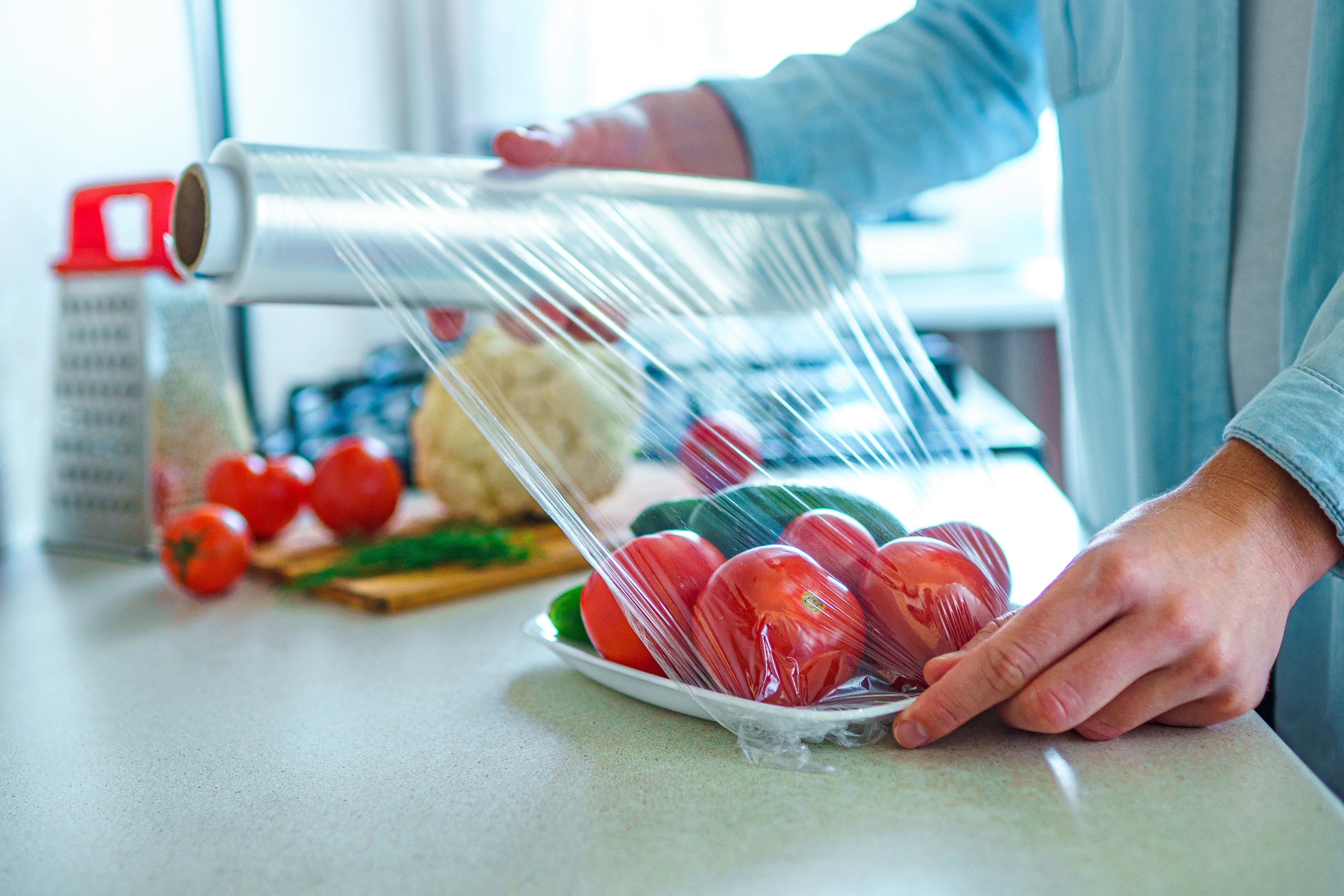
Film packaging is one of the most commonly used methods for storing and transporting food. There are many different types of film packaging. The most prominent types of film packaging include the following:
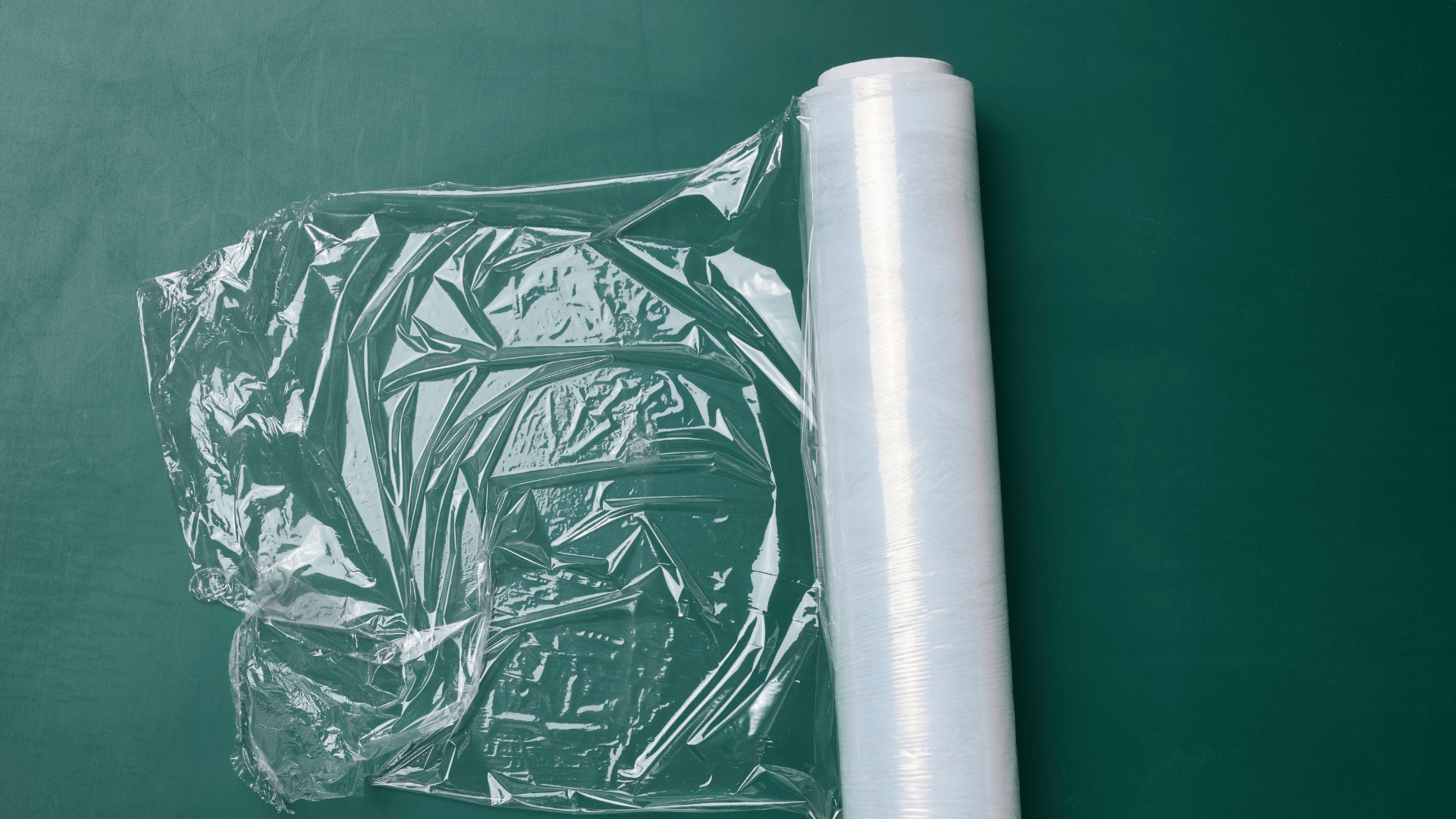
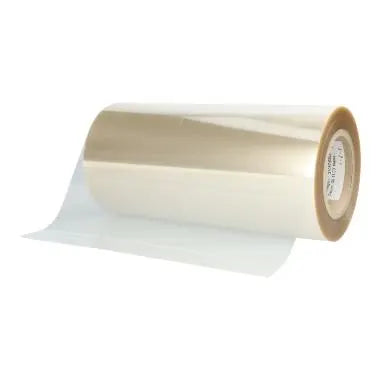
- Cling film – Perfect for covering food of all kinds and protecting it from drying out.
- Vacuum film – Extends the shelf life of fresh products by sealing them airtight.
- Shrink wrap – Provides a tight, protective layer around various food products.
- Tubing film – Flexible food packaging that can be cut to size.
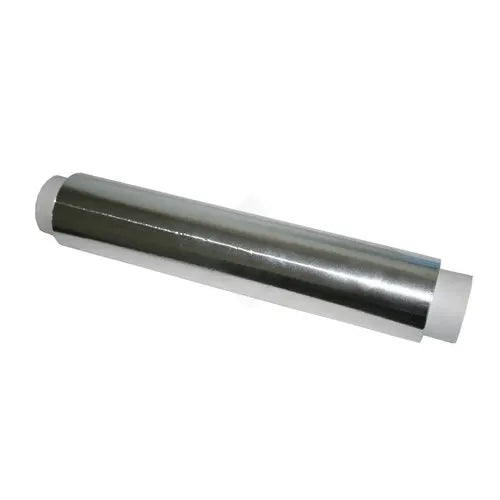
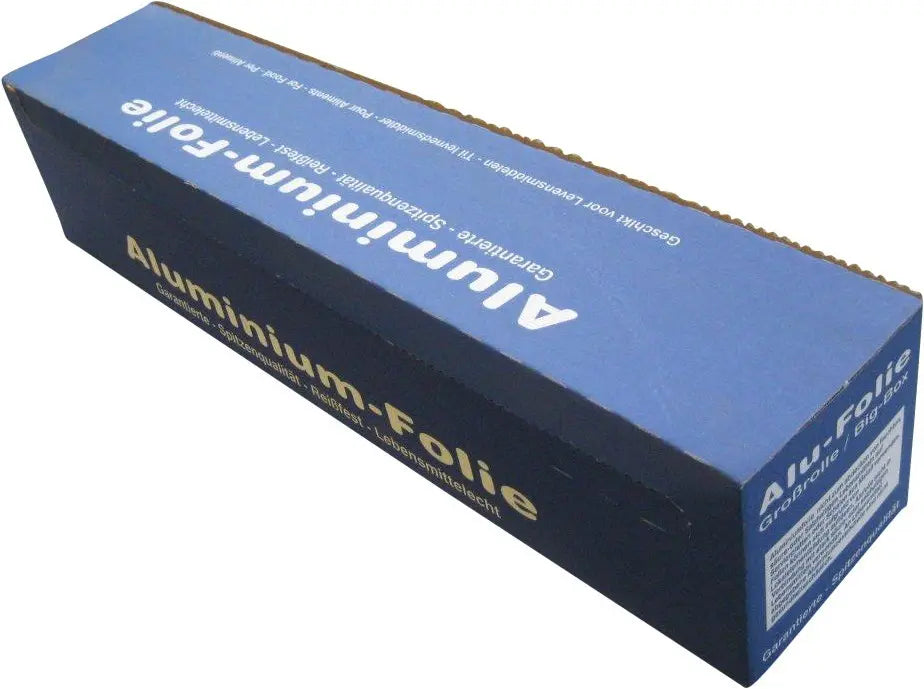
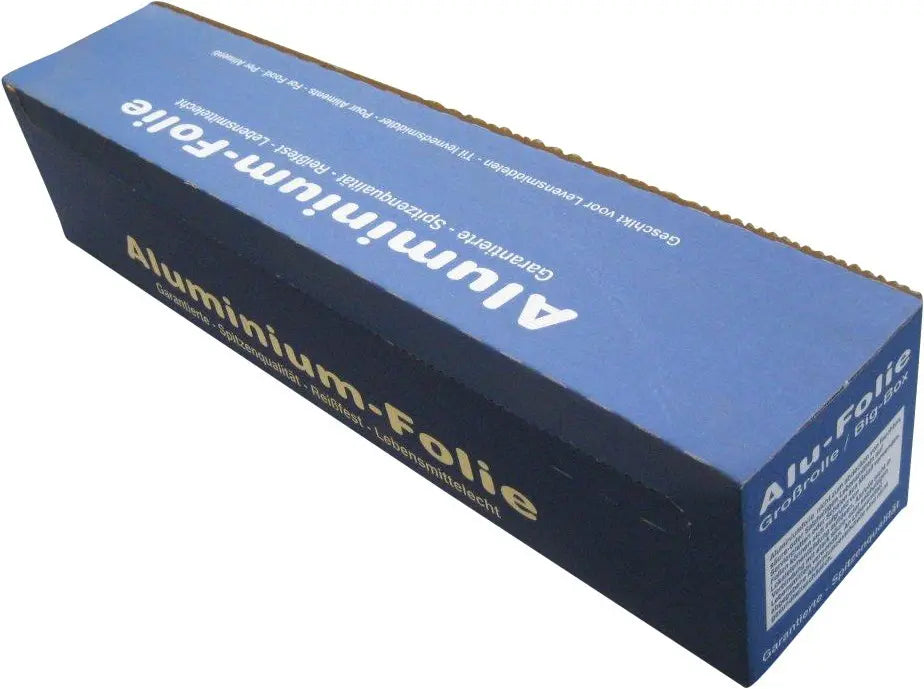
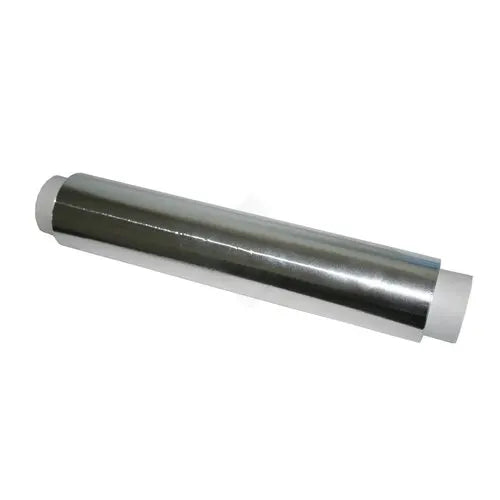
- Aluminum foil – Ideal for hot foods, as it is heat-resistant and versatile.
Before we take a closer look at the versatile tubing film, we would first like to examine the widely discussed aluminum foil in more detail.
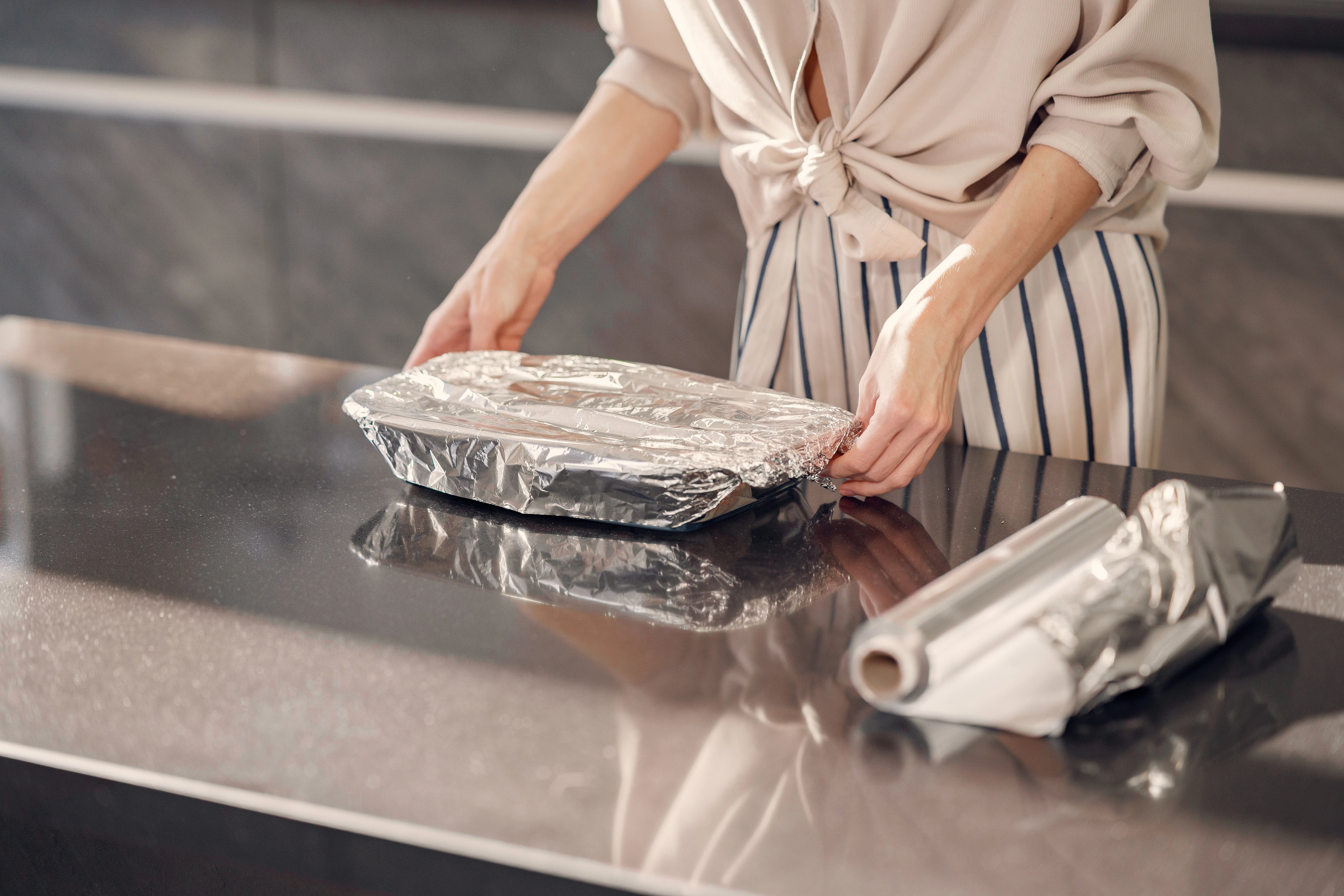
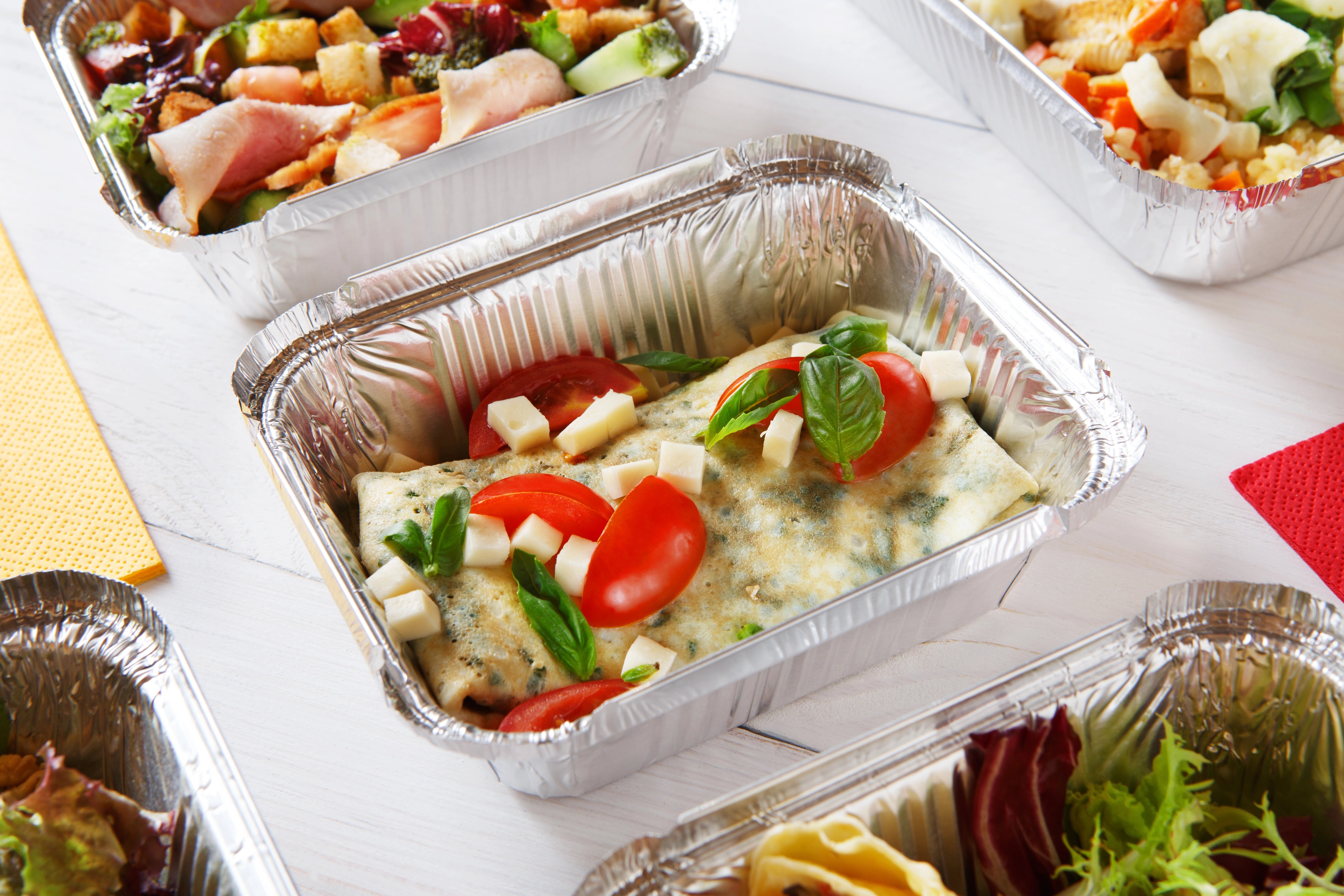
After all, typical aluminum foil is a classic with several advantages and disadvantages. Aluminum foil is one of the most commonly used food wraps – especially in the catering industry. Aluminum foil packaging is suitable for wrapping hot food and grilled food and protecting delicate food. Aluminum foil is often used in conjunction with disposable containers to optimally protect takeaway dishes.
Advantages of aluminum foil packaging
- Aluminum is a heat-resistant foil packaging suitable for use in the oven.
- Aluminum foil protects against light and moisture.
- Aluminum food foils are ideal for grilling and baking.
- Aluminum foil packaging is recyclable if disposed of correctly.
Disadvantages of aluminum foil packaging
- Aluminum food foils require a high amount of energy to produce.
- Aluminum foil packaging is not suitable for acidic or salty foods (reaction with the aluminum).
- Aluminum foil packaging is often not disposed of properly, which has a major negative impact on the environment.
Given the various advantages and disadvantages of aluminum foil, you should carefully consider whether aluminum foil packaging is the best solution for your takeaway business! Feel free to browse Better-Pack for even more sustainable alternatives.
Flexible Packaging – A Wide Variety
Film packaging is one of the most commonly used methods for storing and transporting food. There are many different types of film packaging. The most prominent types of film packaging include the following:
- Cling film – Perfect for covering food of all kinds and protecting it from drying out.
- Vacuum film – Extends the shelf life of fresh products by sealing them airtight.
- Shrink wrap – Provides a tight, protective layer around various food products.
- Tubing film – Flexible food packaging that can be cut to size.
- Aluminum foil – Ideal for hot foods, as it is heat-resistant and versatile.
Before we take a closer look at the versatile tubing film, we would first like to examine the widely discussed aluminum foil in more detail.
After all, typical aluminum foil is a classic with several advantages and disadvantages. Aluminum foil is one of the most commonly used food wraps – especially in the catering industry. Aluminum foil packaging is suitable for wrapping hot food and grilled food and protecting delicate food. Aluminum foil is often used in conjunction with disposable containers to optimally protect takeaway dishes.
Advantages of aluminum foil packaging
- Aluminum is a heat-resistant foil packaging suitable for use in the oven.
- Aluminum foil protects against light and moisture.
- Aluminum food foils are ideal for grilling and baking.
- Aluminum foil packaging is recyclable if disposed of correctly.
Disadvantages of aluminum foil packaging
- Aluminum food foils require a high amount of energy to produce.
- Aluminum foil packaging is not suitable for acidic or salty foods (reaction with the aluminum).
- Aluminum foil packaging is often not disposed of properly, which has a major negative impact on the environment.
Given the various advantages and disadvantages of aluminum foil, you should carefully consider whether aluminum foil packaging is the best solution for your takeaway business! Feel free to browse Better-Pack for even more sustainable alternatives.
Tubing film: Flexible films
Among the most flexible films on the packaging market are tubing films. Tubing film is a particularly versatile film packaging that is used in many areas of the food industry. This is because tubing film in a "continuous format" can be cut or torn to size individually, making it perfectly suited to your delicious food and dishes! The most important properties of tubing film include the following:
- Continuous packaging solution – Tubing film can be cut to size individually.
- Tubing films are ideal for packaging meat, sausage, bread, and many other fresh products.
- PE and PP are two of the most common materials in which tubing film is available.
- Tubing film is also usually suitable for automatic packaging systems, making it highly efficient to use.
Just like wrapping papers, food films such as tubing film are an indispensable packaging solution for the catering industry and retail. However, when it comes to films, it is always worth keeping an eye out for environmentally friendly solutions for film packaging. These include:
- Recyclable plastics such as mono-PE films
- Biodegradable materials (e.g. PLA films)
- Compostable packaging solutions made from cellulose
Whether aluminum foil, cling film, tubing film, or other film packaging – every type of film has its own purpose and its own advantages and disadvantages. Films are indispensable in the catering industry and retail, but it is always important to pay attention to sustainable materials. Through the conscious use and selection of environmentally friendly materials – which make up the vast majority of our packaging solutions – the ecological footprint of films in the catering industry can be reduced without having to do without their practical advantages.
Slides FAQ
In our foil FAQ, we provide answers to frequently asked questions about foils. From different foil variants to specific recommendations, you will find short and concise answers to the most important questions on the topic.
What foils are available?
What foils are available?
Various types of film are used in the food industry:
- Cling film: Flexible and transparent, ideal for covering and storing food.
- Aluminum foil: Heat-resistant, perfect for keeping food warm or cooking it in the oven.
- Vacuum film: Protects food airtight and extends its shelf life.
- Shrink wrap: Used for packaging products to keep them secure and compact.
What does film packaging mean?
What does film packaging mean?
Film packaging consists of plastic or metal films that protect food from external influences such as air, moisture, and microorganisms. It helps preserve freshness and extend shelf life.
What is food-safe film?
What is food-safe film?
Food-safe films are specially manufactured for contact with food and contain no harmful substances. They are tasteless and resistant to moisture and grease.
Which film is best?
Which film is best?
- For freshness: Cling film or vacuum packaging film
- For heat: Aluminum foil
- For transport: Shrink wrap or special packaging films
What are the alternatives to plastic wrap?
What are the alternatives to plastic wrap?
- Beeswax wraps: Reusable and biodegradable
- Silicone covers: Durable and dishwasher-safe
- Reusable containers with lids: Practical and sustainable
Which foods should not be wrapped in aluminum foil?
Which foods should not be wrapped in aluminum foil?
Aluminum foil reacts with acidic or salty foods and can release aluminum ions. Therefore, foods such as lemons, tomatoes, vinegar products, or salted dishes should not be wrapped in aluminum foil.