

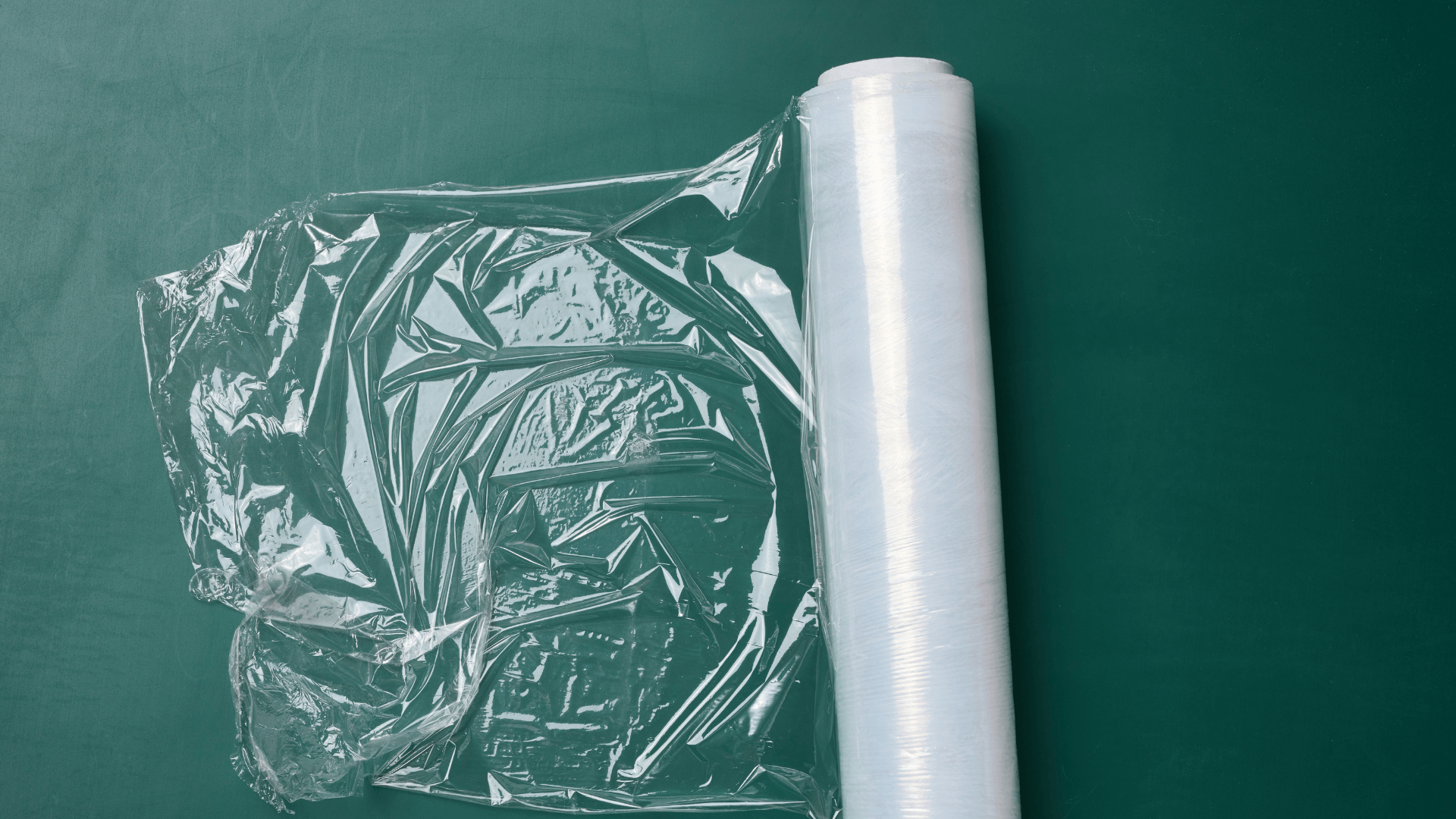
Cling film
Filters
2 products
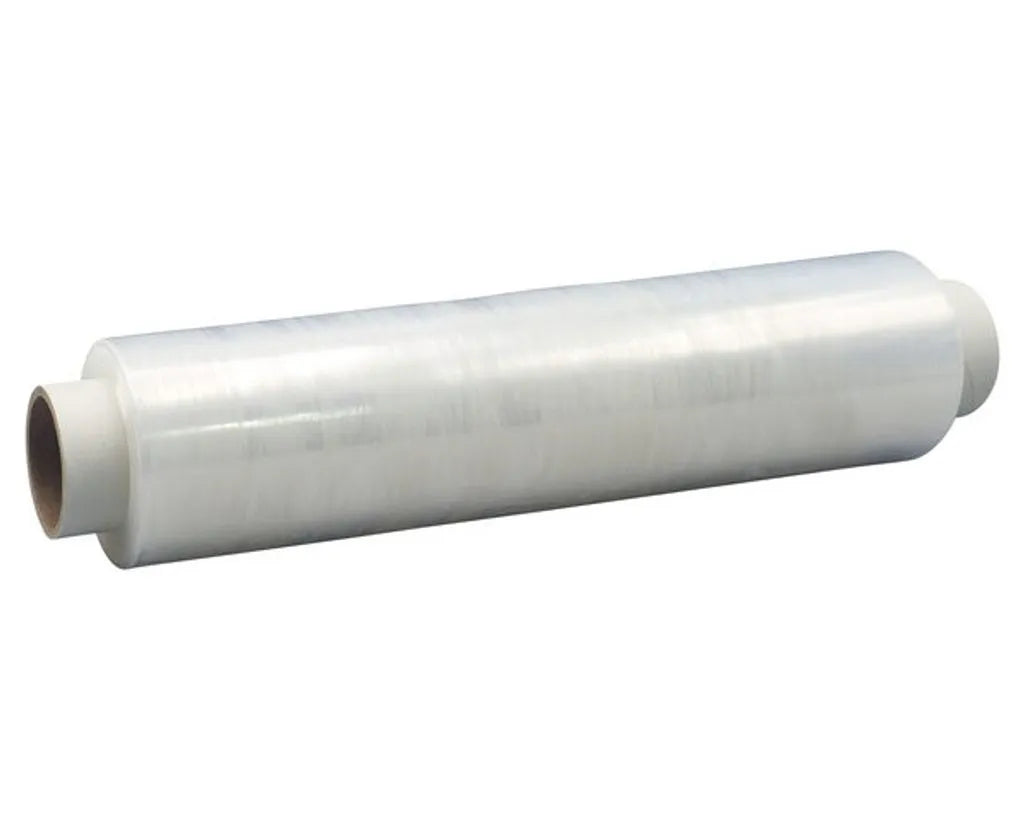
Tax excluded.
Width (cm):
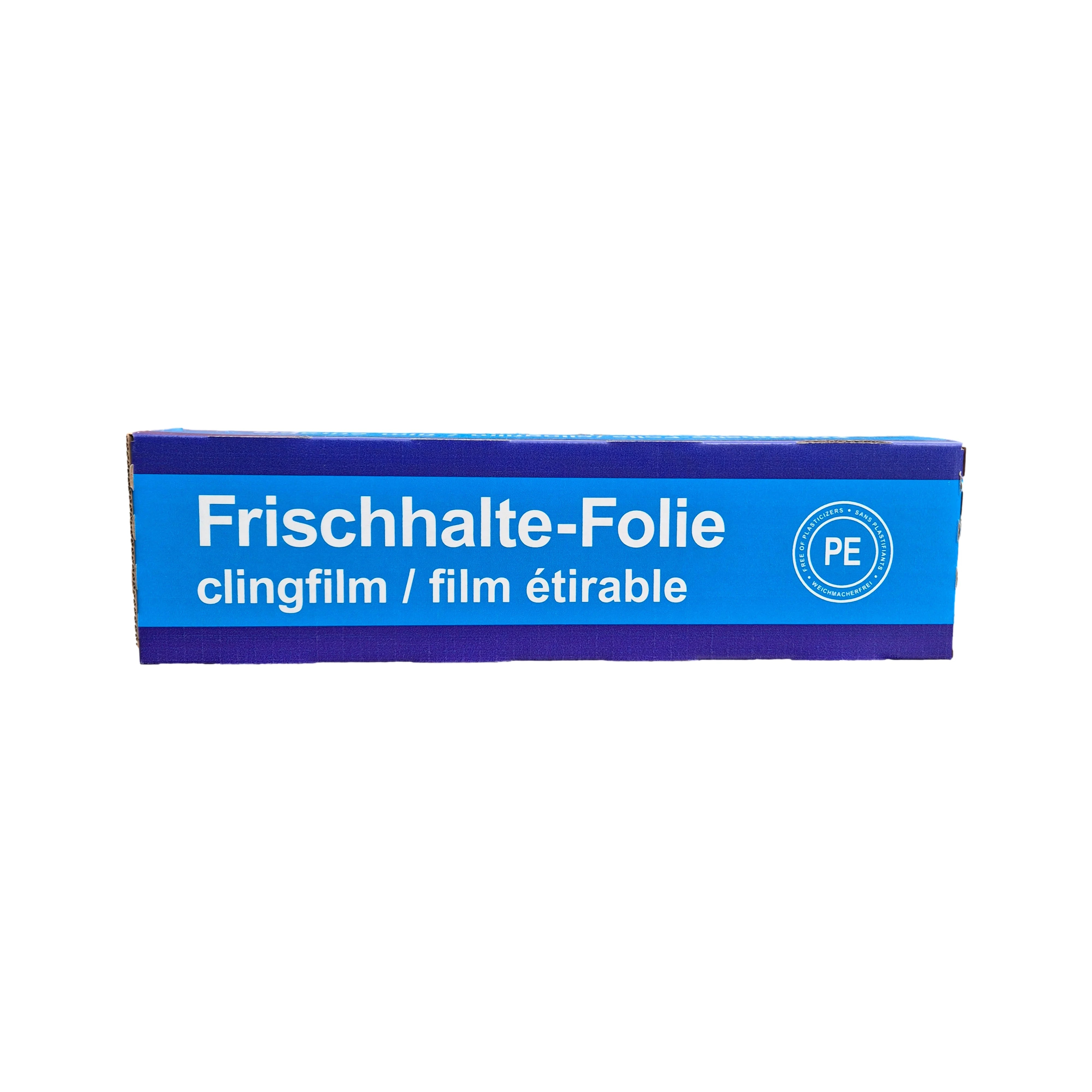
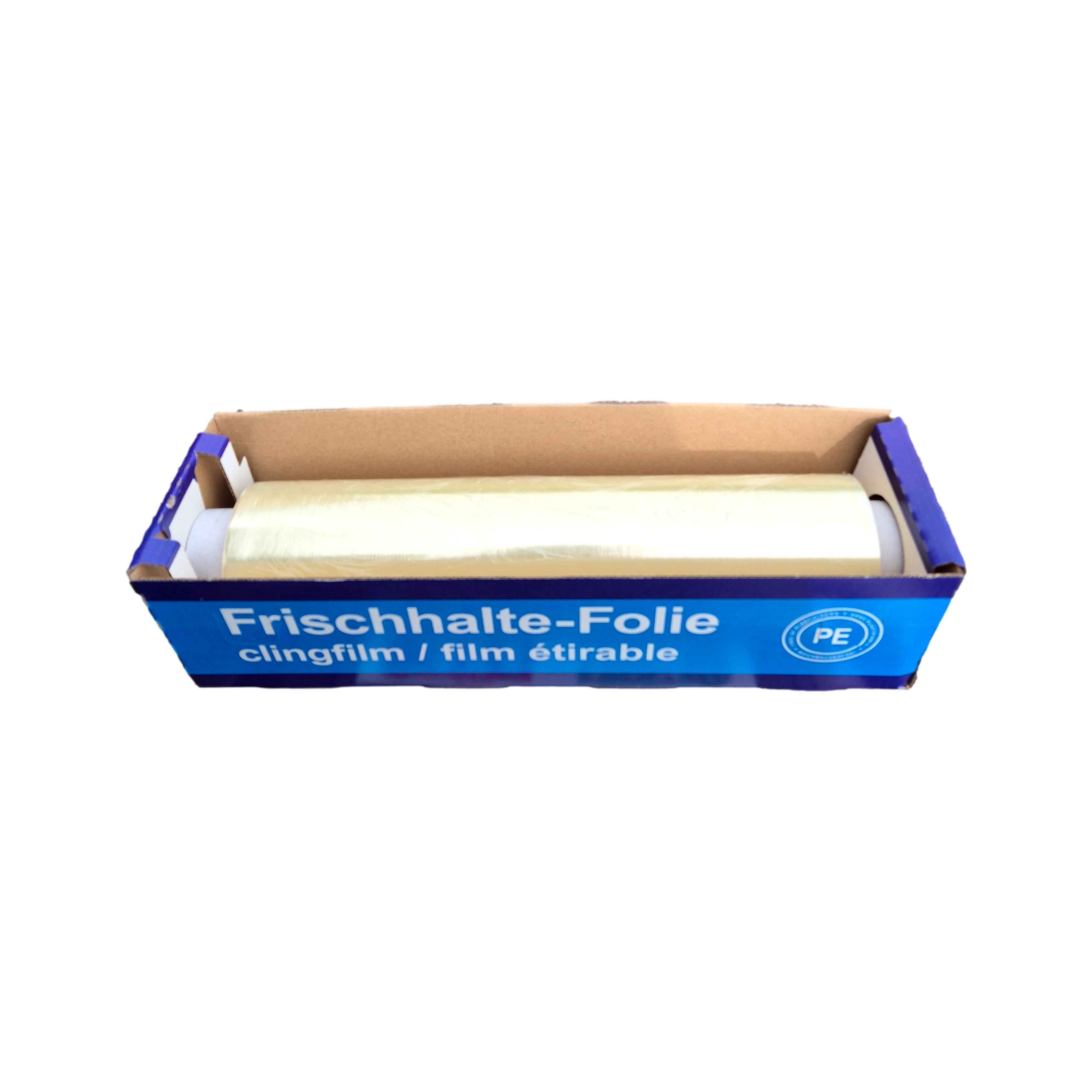
Tax excluded.
Width (cm):
Cling film is used every day in both the catering industry and households. Whether for wrapping food, covering dishes, or as a practical household film, these transparent, flexible films offer numerous useful properties. Learn everything about these practical films on this page and discover the perfect cling film for your business at Better-Pack today!
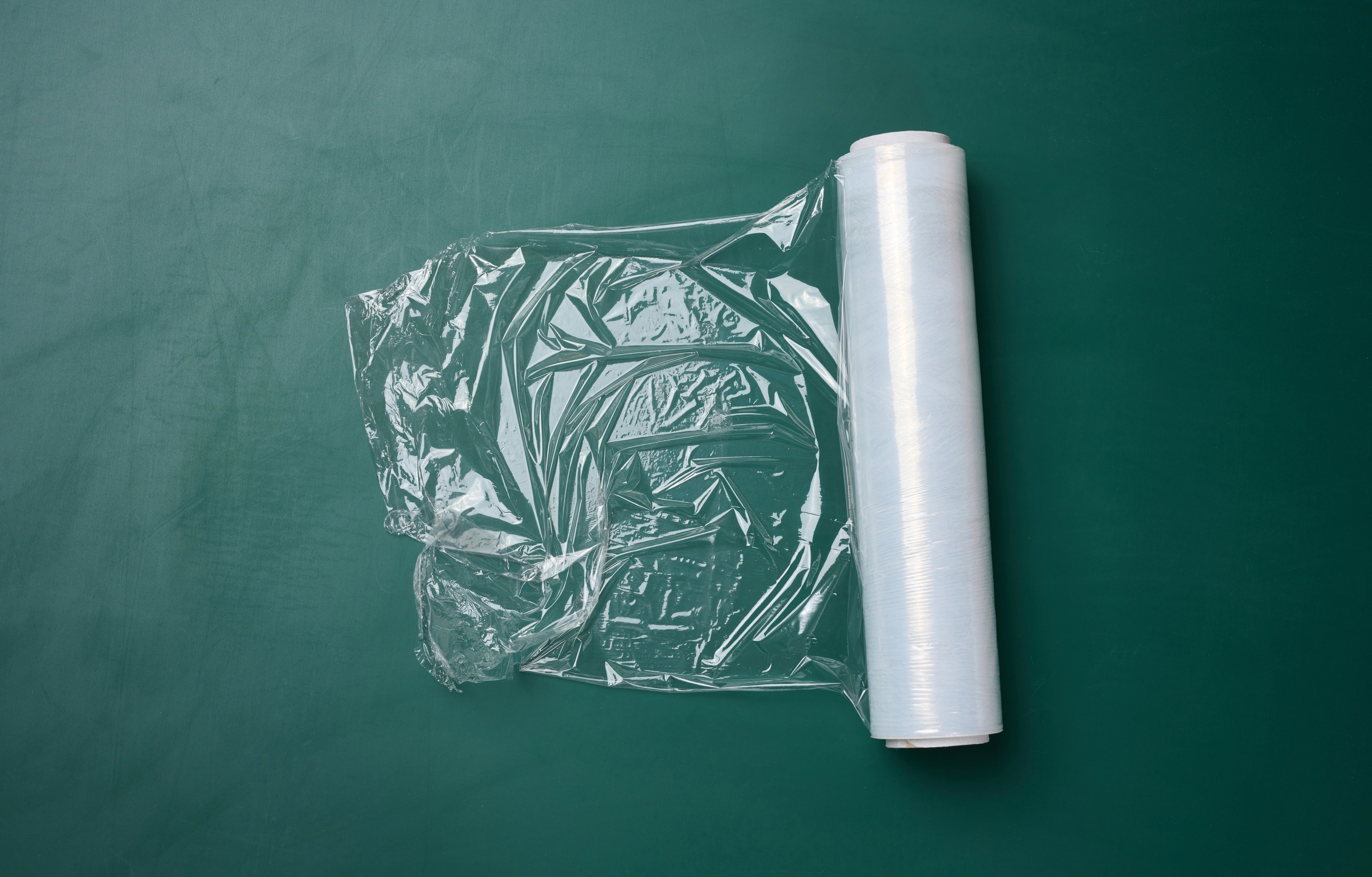
Cover film by Better-Pack
What is cling film?
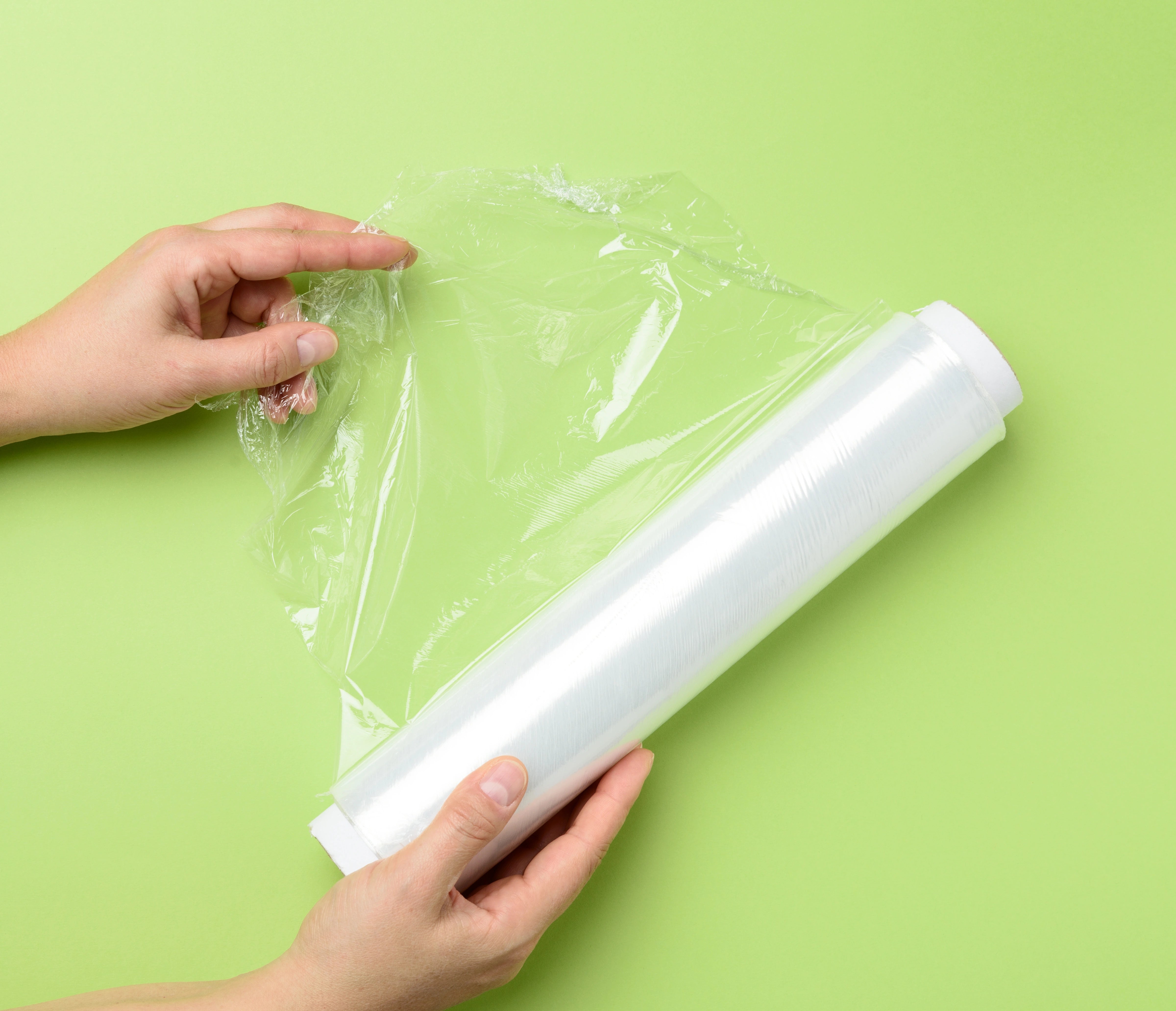
Cling film is a thin, flexible film that is usually made of polyethylene (PE). Its main function is to protect food from drying out and from the ingress of air, dirt, or microorganisms. Thanks to its transparency and stretchability, cling film can easily be placed over bowls, plates, or individual food items. In addition to the standard version, there are also special variants such as heat-resistant cling film, which has many advantages, especially in the catering industry. The terms "covering film" and "household film" are often used synonymously with the term "cling film", which is why these words are also used interchangeably on this page.
What are the benefits of plastic wrap?
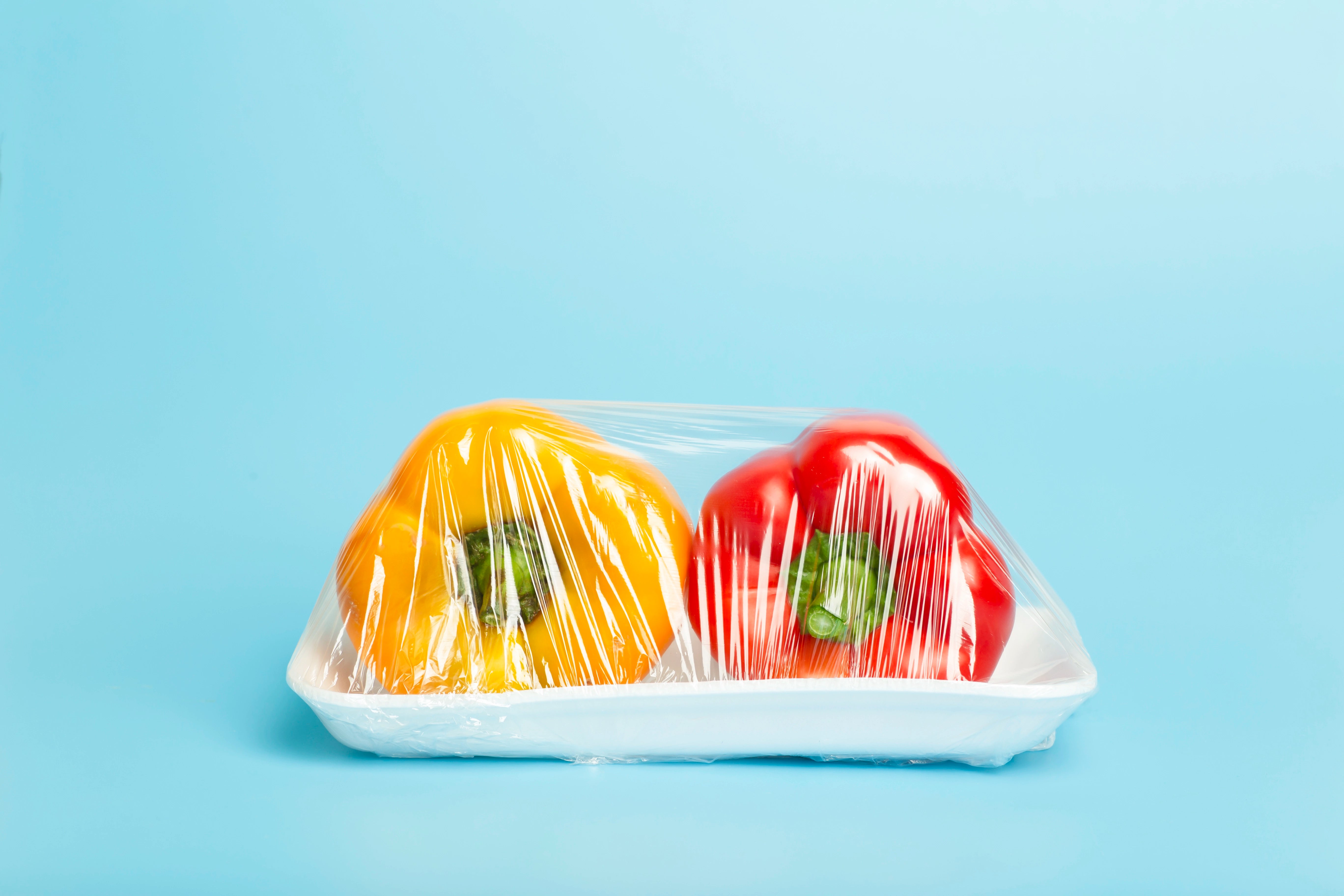
- Protection and freshness: Plastic wrap prevents food from drying out and keeps odors and flavors from mixing.
- Easy to use: Thanks to its stretchiness, plastic wrap quickly and easily adapts to different shapes.
- Transparency: Consumers can see what is wrapped at a glance, which is particularly useful in well-stocked refrigerators or pantries.
- Hygiene: Plastic wrap is usually used once and then disposed of—this reduces the risk of cross-contamination, which can be important depending on the food.
- Low cost: Traditional plastic wrap not only makes daily work in the catering industry easier, but it is also relatively inexpensive and easy to replace.
What are the disadvantages of household cling film?
- Environmental impact: Since conventional household cling film consists of single-use products, it contributes to the plastic waste problem. Effective recycling is often complicated because the film is frequently contaminated with adhesives or food residue.
- Not suitable for all applications: With highly acidic or greasy foods, chemical reactions with the household cling film can occur, affecting the taste.
- Ongoing costs: Unlike reusable containers with lids, the affordable household cling film must be continuously repurchased – in the long term, this can result in higher costs than expected.
Cover film by Better-Pack
What is cling film?
Cling film is a thin, flexible film that is usually made of polyethylene (PE). Its main function is to protect food from drying out and from the ingress of air, dirt, or microorganisms. Thanks to its transparency and stretchability, cling film can easily be placed over bowls, plates, or individual food items. In addition to the standard version, there are also special variants such as heat-resistant cling film, which has many advantages, especially in the catering industry. The terms "covering film" and "household film" are often used synonymously with the term "cling film", which is why these words are also used interchangeably on this page.
What are the benefits of plastic wrap?
- Protection and freshness: Plastic wrap prevents food from drying out and keeps odors and flavors from mixing.
- Easy to use: Thanks to its stretchiness, plastic wrap quickly and easily adapts to different shapes.
- Transparency: Consumers can see what is wrapped at a glance, which is particularly useful in well-stocked refrigerators or pantries.
- Hygiene: Plastic wrap is usually used once and then disposed of—this reduces the risk of cross-contamination, which can be important depending on the food.
- Low cost: Traditional plastic wrap not only makes daily work in the catering industry easier, but it is also relatively inexpensive and easy to replace.
What are the disadvantages of household cling film?
- Environmental impact: Since conventional household cling film consists of single-use products, it contributes to the plastic waste problem. Effective recycling is often complicated because the film is frequently contaminated with adhesives or food residue.
- Not suitable for all applications: With highly acidic or greasy foods, chemical reactions with the household cling film can occur, affecting the taste.
- Ongoing costs: Unlike reusable containers with lids, the affordable household cling film must be continuously repurchased – in the long term, this can result in higher costs than expected.
Heat-resistant plastic wrap
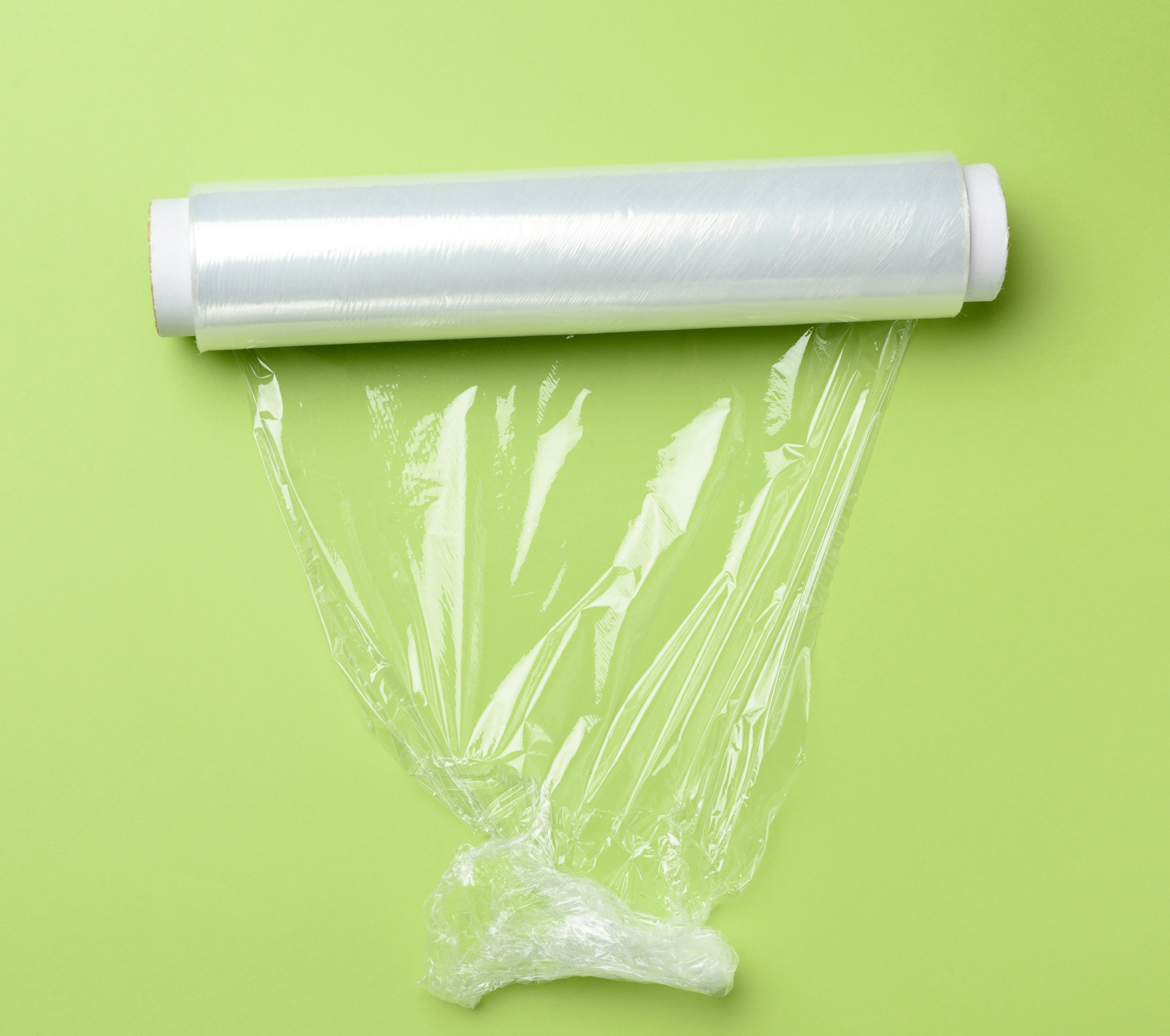
Heat-resistant cling film represents a particular trend in the field of food packaging. This household film is specially designed to remain stable even at higher temperatures without melting or losing its protective properties. This makes heat-resistant cling film ideal for use in the catering industry, where food often comes directly out of the oven and needs to be covered quickly. However, heat-resistant cling film is often significantly more expensive than conventional household film, which is why cost-effective aluminium foils are usually better suited for contact with hot food. In addition, heat-resistant cling films are currently often designed more for short-term use, while aluminium foils can withstand greater heat for longer periods.
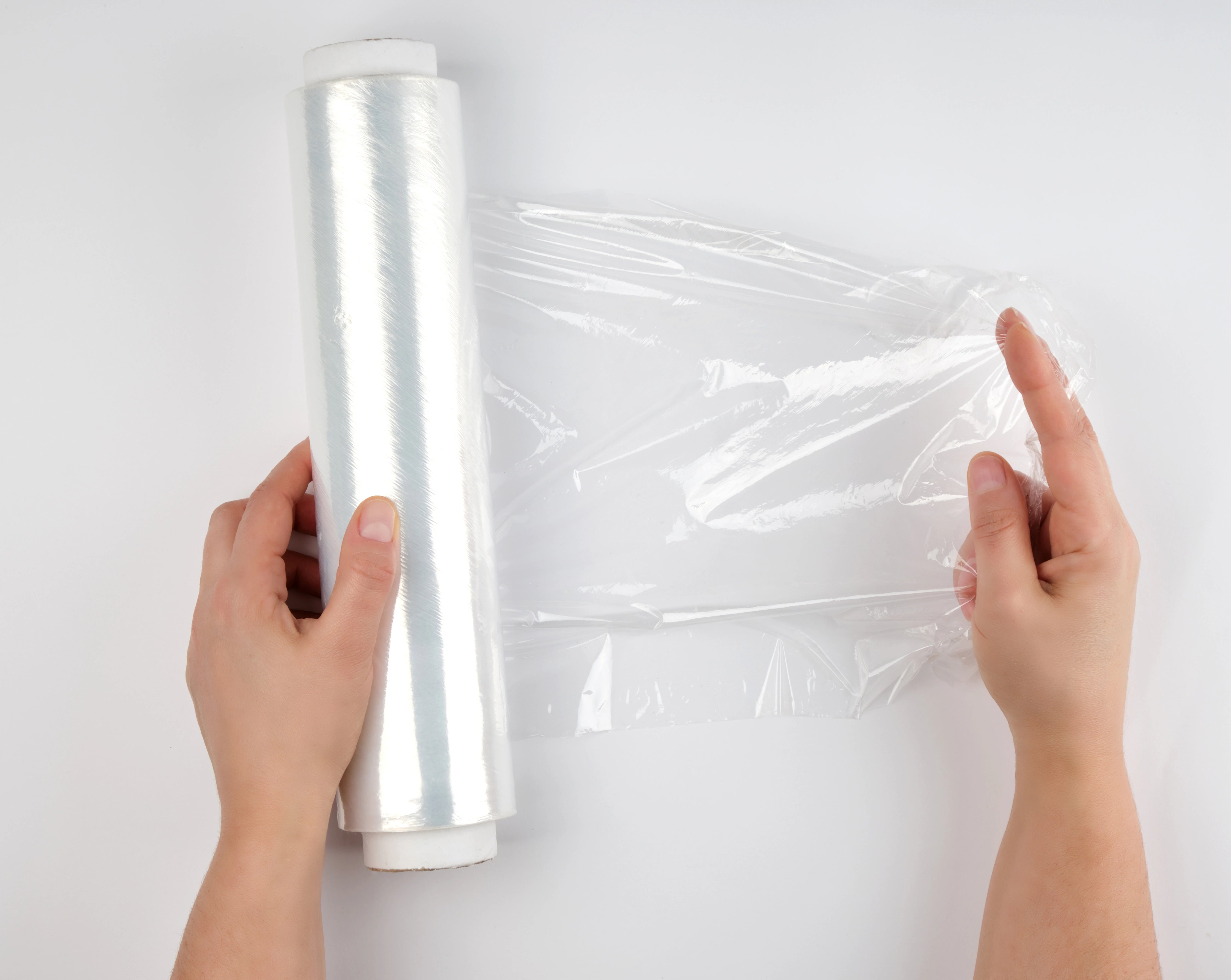
Regardless of the variant – whether heat-resistant cling film or plain covering film – the right application is crucial to achieve the best possible results. Here are some tips for optimal use and resource conservation:
- Cut to Size: Avoid excessive material waste by cutting the covering film to the exact size of the container you are using.
- Avoid Plastic Waste: Whenever possible, consider eco-friendly alternatives. As an alternative to classic PE household film, our Bio-sealing films are a great option.
- Proper Disposal: Make sure to separate and recycle used covering films correctly – even if this is often a challenge. Because…
… from an ecological perspective, it should be emphasized that most household films are still made from plastic. Many potential alternatives are currently under development. For catering businesses with high consumption, it is currently highly recommended to stay informed about these developments and switch to more sustainable solutions whenever possible. We will keep you updated!
Heat-resistant plastic wrap
Heat-resistant cling film represents a particular trend in the field of food packaging. This household film is specially designed to remain stable even at higher temperatures without melting or losing its protective properties. This makes heat-resistant cling film ideal for use in the catering industry, where food often comes directly out of the oven and needs to be covered quickly. However, heat-resistant cling film is often significantly more expensive than conventional household film, which is why cost-effective aluminium foils are usually better suited for contact with hot food. In addition, heat-resistant cling films are currently often designed more for short-term use, while aluminium foils can withstand greater heat for longer periods.
Regardless of the variant – whether heat-resistant cling film or plain covering film – the right application is crucial to achieve the best possible results. Here are some tips for optimal use and resource conservation:
- Cut to Size: Avoid excessive material waste by cutting the covering film to the exact size of the container you are using.
- Avoid Plastic Waste: Whenever possible, consider eco-friendly alternatives. As an alternative to classic PE household film, our Bio-sealing films are a great option.
- Proper Disposal: Make sure to separate and recycle used covering films correctly – even if this is often a challenge. Because…
… from an ecological perspective, it should be emphasized that most household films are still made from plastic. Many potential alternatives are currently under development. For catering businesses with high consumption, it is currently highly recommended to stay informed about these developments and switch to more sustainable solutions whenever possible. We will keep you updated!
Cling film for the food service industry
In the catering industry, cling films play a central role in daily operations:
- Take-away and delivery services: In restaurants, household cling film is often used to keep food fresh in transport containers. Heat-resistant cling film, in particular, makes it possible to protect even hot dishes.
- Buffets and self-service areas: Commercial kitchens and catering services use covering films to protect buffet displays from dust and insects, while at the same time preserving the freshness of the food.
It is no wonder that classic household cling film is frequently encountered! Its outstanding properties – such as protection from air and moisture, ease of handling, and flexible adaptability – make it an indispensable tool in many cases. At the same time, environmental aspects should always be taken into consideration: The high consumption of plastic and the associated waste problem require responsible handling.
Catering businesses and private households should therefore always consider where reusable or sustainable alternatives can be used. Innovative approaches, such as biodegradable films or the increased use of recycled materials, offer promising prospects for the future. With responsible use and a focus on environmentally friendly alternatives, classic cling film and its many benefits can be utilized efficiently.
Cling Film FAQ
In our plastic wrap FAQ, we provide answers to frequently asked questions about plastic wrap. From the question of what material plastic wrap is actually made of to questions about sustainable alternatives, you will find short and concise answers to the most important questions on the topic.
What is plastic wrap made of?
What is plastic wrap made of?
Cling film is usually made from polyethylene (PE) or polyvinyl chloride (PVC). PE film is soft, stretchable, and free from plasticizers, while PVC film is more flexible and conforms particularly well to food. There are also biodegradable alternatives made from starch or cellulose.
How many degrees can plastic wrap withstand?
How many degrees can plastic wrap withstand?
Regular plastic wrap withstands temperatures up to approx. 60–80 °C before melting or deforming. It should therefore not be used in the microwave or oven unless it is specifically approved for this purpose.
Which plastic wrap is heat-resistant?
Which plastic wrap is heat-resistant?
There are special heat-resistant plastic wraps that are suitable for the microwave. These are usually made of polyethylene terephthalate (PET) or specially treated polyethylene. They are heat-resistant up to approx. 100–120 °C.
What can you use instead of plastic wrap?
What can you use instead of plastic wrap?
- Beeswax wraps: Reusable and biodegradable.
- Silicone covers: Washable and durable.
- Reusable lids: For bowls and containers.
- Parchment paper or wax paper: For covering or wrapping food.
What thickness is the plastic sheeting?
What thickness is the plastic sheeting?
The thickness of cling film and covering film varies depending on its intended use. Standard cling film has a thickness of 8 to 15 micrometers (µm), while heavier-duty food service film can be up to 25 µm thick.