

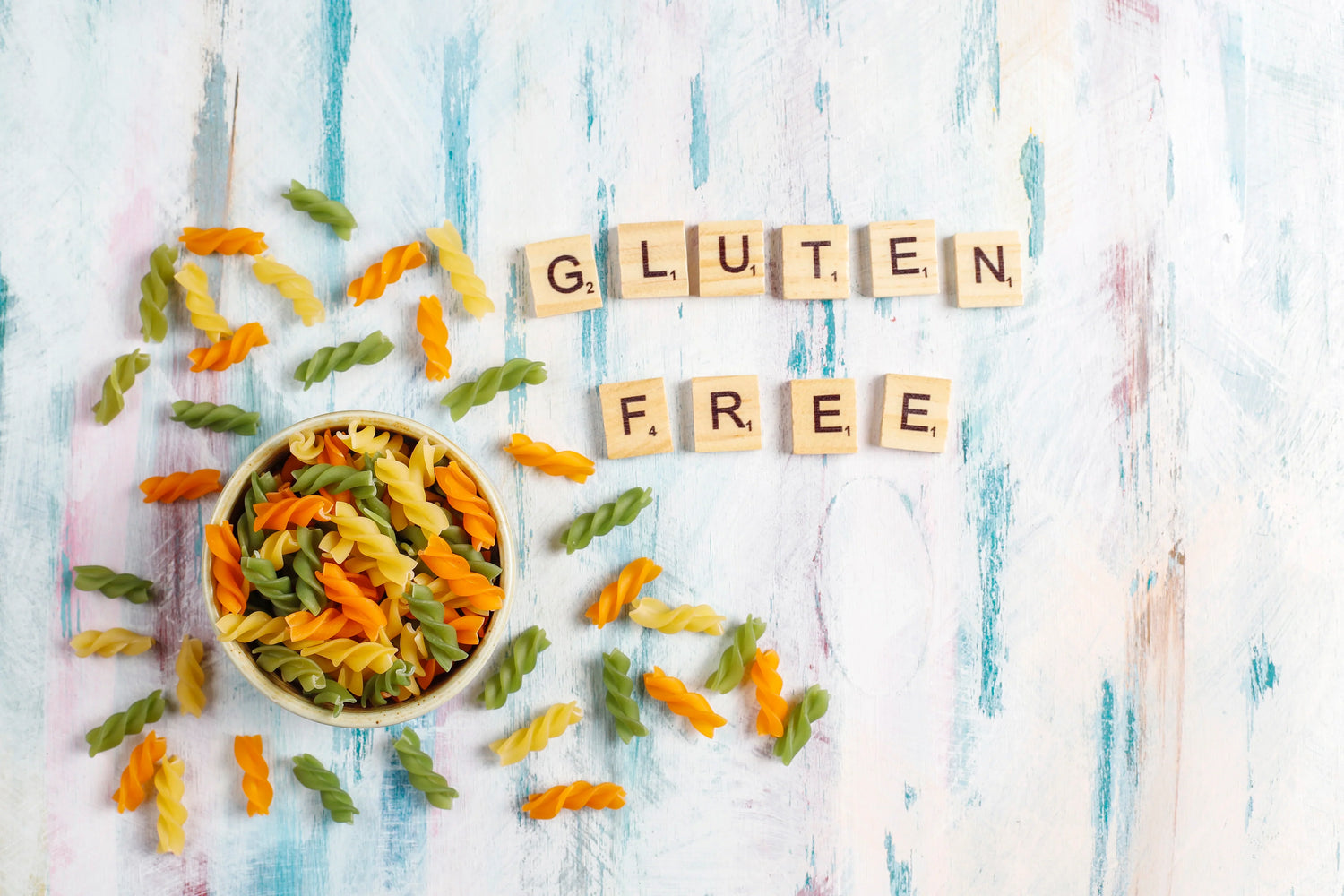
A gluten-free diet is often more than just a trend. For many people, it is a medical necessity, for others a consciously chosen form of nutrition. Especially for guests with a gluten intolerance, a restaurant visit is often associated with uncertainty – because gluten-free alternatives are still missing on many menus. This is precisely where a great opportunity lies for catering establishments: those who offer gluten-free dishes create a comprehensive offer and a genuine unique selling point.
Gluten-Free Menu – Supply and Demand
Why gluten-free options are so important
Estimates suggest that around one percent of the population suffers from celiac disease, in addition to many people with varying degrees of gluten intolerance or sensitive digestion. For these guests, "just leaving it out" is not an option – even tiny amounts of gluten can trigger symptoms. Many affected people therefore rarely or never eat out. If an establishment offers clearly marked, truly gluten-free dishes, these guests feel taken seriously. This not only increases satisfaction but also the likelihood of recommendations and new regular customers.
More expensive ingredients as a worthwhile investment
Gluten-free ingredients are often slightly more expensive than conventional products. But these extra costs pay off. Guests with gluten intolerance are willing to pay more for safety, quality, and transparency – especially when they know that they can finally enjoy their meal without worries in your restaurant. In addition, gluten-free dishes are not a niche product: companions usually eat along too. So, anyone who creates a gluten-free offer gains several guests at once.
Gluten-free Pizza & Co. as a real unique selling point
Especially in areas like pizzerias, cafés, or bistros, the offering is often very limited. Gluten-free pizza or pasta are rare – which is precisely why establishments that offer them are specifically sought out. Many affected individuals even travel longer distances if they know they can eat safely gluten-free there. Important to note: gluten-free dough must be stored and processed separately to avoid contamination. Dedicated workspaces, separate baking trays, or clearly defined procedures are crucial here. Those who consistently implement these standards and communicate them openly quickly position themselves as a reliable point of contact for gluten-free cuisine. Especially with pizza, which is often completely excluded otherwise, this creates a strong unique selling point that guests actively recommend.

Gluten-Free Dish Ideas
Gluten-Free Appetizers
- Caprese with mozzarella, tomatoes & basil
- Beef or salmon carpaccio
- Soups based on vegetables, potatoes, or legumes (without flour binding)
Gluten-Free Main Courses
- Gluten-free pizza with corn or rice flour crust
- Rice or quinoa bowls with vegetables and protein
- Grilled fish with potatoes or rice
- Meat dishes with natural side dishes
- Risotto (classic with natural rice, without additives)
Gluten-Free Desserts
- Panna Cotta
- Mousse au Chocolat (without cookie base)
- Crème brûlée
- Fruit salads
Important: Breadings, sauces, and spice mixtures must also be gluten-free!
Gluten-Free Dishes as an Opportunity, Not an Obligation
Gluten-free dishes are not an extra effort without benefit – they are an investment in diversity, inclusion, and new target groups. Those who seriously and correctly offer gluten-free dishes stand out, fill a real gap, and show: all guests are welcome here. Especially in a time when many restaurants seem interchangeable, a well-thought-out gluten-free selection can make all the difference.
Images from azerbaijan_stockers and freepik on Freepik.


Leave a comment
This site is protected by hCaptcha and the hCaptcha Privacy Policy and Terms of Service apply.