

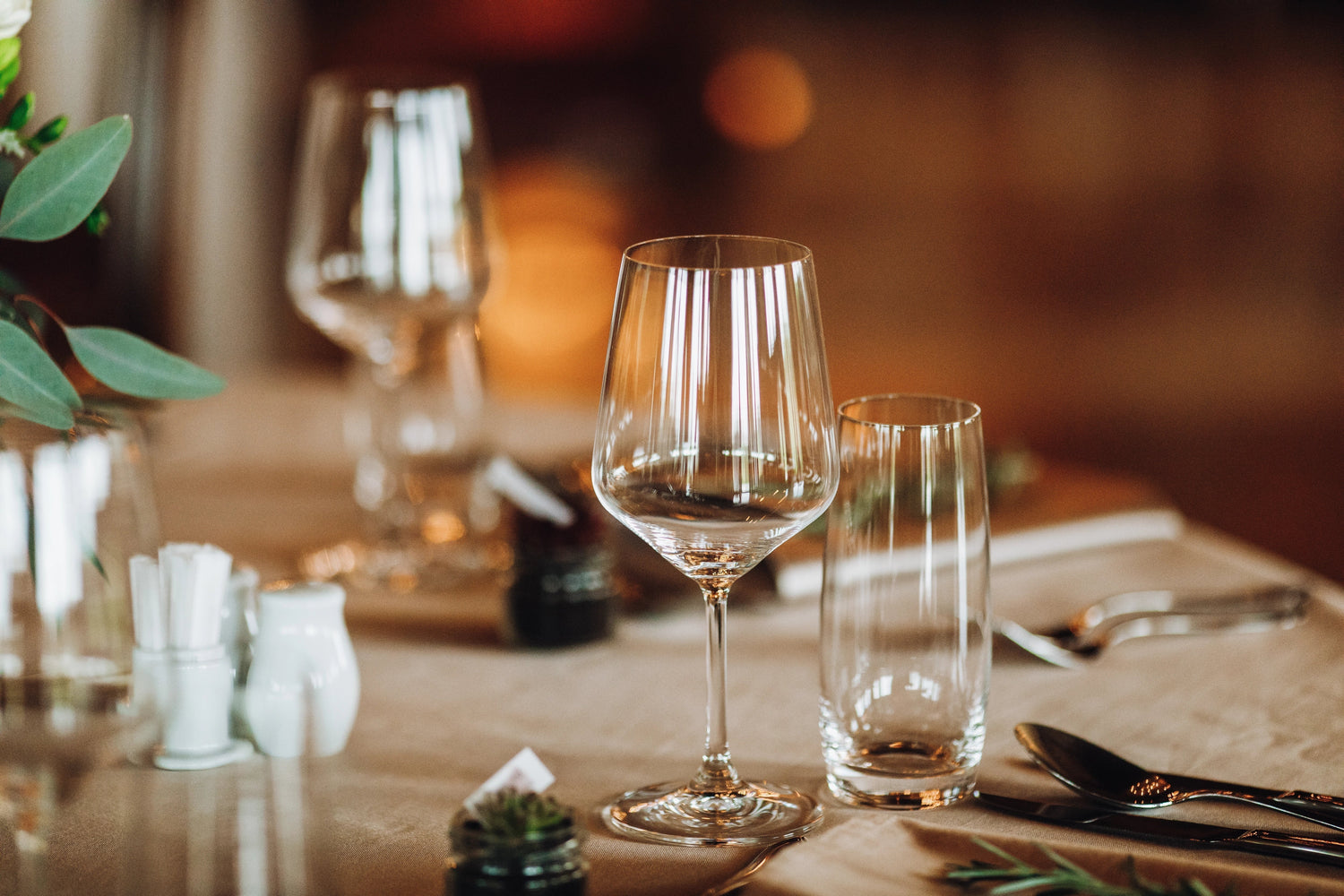
Multi-course menus are classics in gastronomy. They provide guests with orientation, create structure, and transform a restaurant visit into a culinary experience. At the same time, they are not a panacea: not every concept and not every occasion benefits from multiple courses. The crucial factor is how well the menu suits the establishment, the target group, and the occasion. The following discusses when multi-course menus are worthwhile, when they are not – and what they can concretely look like, from business lunches to innovative to-go menus.
When Multi-Course Menus Are Worthwhile
Multi-course menus show their strengths wherever guests have time and expect a well-thought-out culinary experience. Restaurants with a clear signature particularly benefit from menus. They can use them to tell their culinary story without guests having to choose from a long menu.
Example: Upscale Casual Restaurant
- Appetizer: Burrata with marinated cherry tomatoes and basil oil
- Main course: Braised beef cheeks with mashed potatoes and root vegetables
- Dessert: Lemon panna cotta in a glass
The menu feels complete, familiar, and yet high-quality – ideal for guests who want to "simply be pampered" without an extra-thick wallet. Menus simplify kitchen operations. Ingredients can be used multiple times, processes are more predictable, and food cost is better controllable. For example, a herb oil from the appetizer can also be found in the main course, and a berry compote from the dessert later appears in the breakfast offering. This saves time, money, and food.
When Multi-Course Menus Are Less Suitable
As attractive as menus can be – there are situations where they hinder rather than help. Multi-course menus should not be offered in places like family pizzerias or functional dining situations, such as canteens or university cafeterias. A classic four-course menu would cause unnecessary waiting times here. A compact two-course concept works better.
Example: Canteen with a short lunch break
- Main course: Chicken breast with roasted vegetables
- Dessert: Yogurt cream with fruit coulis in a cup
This keeps the process quick without having to completely forgo a dessert. In bistros with walk-in customers, families, tourists, and business guests, a fixed menu can be off-putting. Here, flexible solutions are better, such as modular menus or smaller menu options with choices.

Menu Examples for Various Occasions
Classic Three-Course Menu: The All-Rounder
Extended Business Lunch
- Appetizer: Carrot-ginger soup
- Main course: Pan-fried salmon with lemon rice
- Dessert: Chocolate mousse in a cup
Cozy Evening Menu in a Traditional Restaurant
- Appetizer: Lamb's lettuce with bacon and croutons
- Main course: Roast pork with dumplings and coleslaw
- Dessert: Apple strudel with vanilla sauce
These menus are familiar, easy to plan, and popular with many guests.
Experience-Oriented Menus with Five or More Courses
Fine-Dining Menu (5 Courses)
- Amuse-Bouche: Cold cucumber soup with dill
- Appetizer: Scallop on cauliflower puree
- Intermediate course: Homemade ricotta-lemon ravioli
- Main course: Roe deer saddle with celeriac puree and cranberries
- Dessert: White chocolate mousse with raspberries
Such menus are ideal for special evenings where enjoyment and presentation are paramount.
Seasonal and Themed Menus
Autumn Menu with Example Menu Options
- Appetizer: Pumpkin cream soup with pumpkin seeds
- Main course option 1: Mushroom risotto
- Main course option 2: Duck breast with red cabbage and potato dumplings
- Dessert: Chestnut cream in a glass
Light Vegetarian Menu
- Appetizer: Beetroot carpaccio
- Main course: Cannelloni with spinach and cream cheese
- Dessert: Semolina pudding with berries
These menus offer variety without permanently changing the menu.
Multi-Course Menus To Go – How It Can Work
Even for take-away or delivery, menus can be implemented if the courses are clearly separated.
Example: Three-Course To-Go Menu
- Appetizer: Couscous salad with vegetables
- Main course: Pasta with tomato sauce
- Dessert: Cheesecake cream in a cup
Appetizer and dessert come cold, the main course separately with reheating instructions. Delicate dishes or highly temperature-sensitive foods are less suitable for this. Especially in microwave-safe menu trays and sturdy reusable take-away boxes, multi-course menus can be established for out-of-home sales. A sight still rare – the perfect opportunity for you to make a difference and create a unique selling point with to-go menu options!
Article images by freepic.diller and freepik on Freepik.


Leave a comment
This site is protected by hCaptcha and the hCaptcha Privacy Policy and Terms of Service apply.